
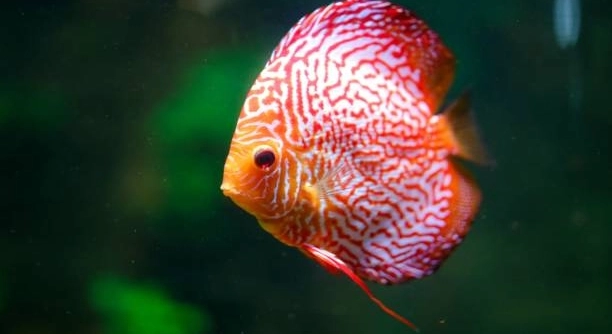
Uneven growth among discus fry is a common challenge for many aquarists. This issue can affect the overall health and development of your young fish, making it important to address early. Proper care and attention can help promote balanced growth.
Uneven growth in discus fry often results from competition for food, water quality, and environmental factors. Addressing these by ensuring even feeding, maintaining stable water conditions, and reducing stress can help correct growth differences effectively.
Understanding these steps will support healthier fry development and improve your discus breeding success over time.
Understanding the Causes of Uneven Growth
Uneven growth in discus fry can happen for several reasons. One main factor is competition among the fry for food. When some fry eat more than others, their growth rate naturally differs. Another important aspect is water quality. Poor or unstable water conditions can stress the fry and slow their development. Additionally, genetics play a role—some fry are naturally smaller or weaker. Temperature also affects growth rates; if the tank temperature varies, it can cause inconsistency. Lastly, insufficient oxygen or overcrowding can impact feeding and health, leading to uneven growth. By knowing these causes, you can take better care of your fry and encourage uniform development. Keeping a close eye on feeding habits, water conditions, and tank environment will help create the best conditions for all the fry to thrive and grow evenly.
Maintaining stable water parameters and reducing competition improves the overall health of all discus fry, leading to more consistent growth.
Proper attention to these causes makes it easier to manage your tank and reduce uneven growth problems significantly.
Adjusting Feeding Practices
Feeding practices greatly impact discus fry growth. Overfeeding or uneven distribution can cause some fry to grow faster than others. Providing small, frequent meals helps ensure all fry get enough nutrition without overcrowding the tank.
Using a feeding schedule and dividing food evenly can minimize competition and promote balanced growth. It is helpful to observe feeding closely and adjust amounts as needed. Supplementing with high-quality, easily digestible food supports healthy development. Ensuring all fry have access to food reduces stress and prevents the stronger fry from dominating the feeding area. Regularly cleaning leftover food maintains water quality and prevents illness. These small changes in feeding can greatly improve growth consistency among your discus fry.
Monitoring Water Quality Closely
Stable water quality is essential for discus fry growth. Fluctuations in pH, ammonia, or nitrate levels can stress the fry and hinder their development.
Regular testing helps catch problems early. Maintaining clean water with frequent changes reduces harmful substances. Proper filtration is necessary to keep the tank environment healthy. Avoid overcrowding, as too many fish can degrade water quality quickly. Paying attention to these factors creates a safer environment where all fry can grow steadily and without added stress.
Water temperature must also remain consistent. Sudden changes can slow growth or cause illness. Keeping these parameters stable supports even development among discus fry.
Reducing Stress in the Aquarium
Stress negatively impacts discus fry growth and immune response. Minimizing sudden changes in the environment is important to reduce stress. Avoid loud noises or frequent disturbances near the tank, which can cause fry to become anxious. Creating hiding spaces and maintaining peaceful tank mates lowers stress levels. Handling fry gently during water changes or tank maintenance also helps.
Providing a calm, stable environment supports healthy development and encourages balanced growth. This reduces the risk of disease and growth delays, improving overall survival rates. Keeping stress low is one of the easiest ways to help your fry thrive.
Maintaining Proper Tank Size
A tank that is too small causes overcrowding, leading to stress and competition among fry. Adequate space allows fry to swim freely and access food without constant fighting. Keeping the right number of fry per gallon is key to balanced growth and a healthy environment.
Larger tanks improve water quality and reduce waste buildup. More space helps maintain stable conditions and decreases aggressive behavior. Proper tank size supports even growth and reduces the risk of health problems.
Using Quality Water Filtration
Effective filtration removes toxins and keeps the water clean. A reliable filter supports the tank’s biological balance, promoting better health and growth for discus fry. Regular filter maintenance ensures it continues working efficiently and prevents harmful buildup.
Separating Uneven Fry
Removing significantly smaller or weaker fry can reduce competition. Separating them into a different tank allows targeted care. This helps both groups grow better and reduces stress in the main tank.
Consistent Temperature Control
Maintaining a steady temperature between 82°F and 86°F promotes optimal growth. Fluctuations slow development and weaken the fry’s immune system. Using a reliable heater ensures stability.
FAQ
Why do discus fry grow unevenly?
Uneven growth in discus fry usually happens because of competition for food and space. Some fry eat more than others, causing size differences. Poor water quality or unstable tank conditions can also stress the fry, slowing growth in some. Genetics play a role as well—some fry naturally grow slower or smaller. Maintaining consistent water parameters and feeding all fry evenly can reduce uneven growth.
How often should I feed discus fry to promote even growth?
Feeding small amounts multiple times a day works best. This helps all fry get enough nutrition without overcrowding the tank. Overfeeding in one meal can cause food to spoil and affect water quality. Feeding three to five times daily with high-quality, easy-to-digest foods supports steady, balanced growth.
Can water changes help with uneven growth?
Yes, regular water changes keep the environment clean and reduce harmful waste like ammonia and nitrates. Clean water lowers stress on fry and promotes healthy development. Aim for 20-30% water changes every few days depending on tank size and bioload to maintain stable water quality.
Should I separate smaller fry from larger ones?
Separating smaller or weaker fry into a different tank can reduce competition and allow you to give them extra care. This can help them catch up in growth. However, be sure to maintain the same water conditions in both tanks to avoid additional stress.
What temperature is ideal for discus fry growth?
A consistent temperature between 82°F and 86°F is ideal. Temperatures outside this range can slow growth or increase susceptibility to disease. Use a reliable heater to maintain steady warmth, as fluctuations weaken fry and contribute to uneven growth.
How important is tank size for discus fry growth?
Tank size matters because overcrowding causes stress and competition for food. A spacious tank allows fry to swim freely and reduces aggressive behavior. Keeping around 1 inch of fish per gallon as a rough guide supports even growth and a healthier environment.
Can stress cause uneven growth in discus fry?
Yes, stress lowers immunity and slows growth. Causes of stress include sudden water changes, loud noises, overcrowding, or aggressive tank mates. Providing hiding spaces and minimizing disturbances helps reduce stress and supports balanced growth.
What types of food are best for discus fry?
High-quality, protein-rich foods like freshly hatched brine shrimp or specially formulated fry food work well. These foods are easy to digest and encourage healthy development. Avoid large pellets or food that sinks too fast, as weaker fry may not get enough to eat.
How do I know if water quality is good enough for discus fry?
Test for ammonia and nitrites, which should always be at zero. Nitrate levels should be kept below 20 ppm. Keep pH stable between 6.0 and 7.0. Consistent readings within these ranges indicate good water quality, essential for even fry growth.
Can genetics cause permanent uneven growth?
Yes, genetics can cause some fry to grow slower or remain smaller throughout life. While environmental factors can be controlled, genetic variation means not all fry will grow at the same rate. Identifying and removing weak fry early can help maintain overall tank health.
Is it necessary to use a filter in a fry tank?
A filter is essential to maintain water cleanliness and stability. It removes waste and supports beneficial bacteria that keep ammonia and nitrite levels low. Make sure the filter flow is gentle to avoid stressing the fry.
How long does it take for discus fry to grow evenly after changes?
Improvements can be seen within a few weeks after correcting feeding, water quality, and stress factors. However, it may take longer for smaller fry to catch up fully. Patience and consistent care are key to seeing results.
What are signs of stress in discus fry?
Signs include erratic swimming, hiding, loss of appetite, or pale coloration. Stress weakens their immune system, making them vulnerable to disease. Reducing stress factors helps improve health and growth rates.
Can overcrowding cause uneven growth?
Yes, overcrowding increases competition for food and oxygen. It also degrades water quality faster. Both factors contribute to uneven growth and increased stress. Keeping fry numbers appropriate for tank size supports healthier growth.
How often should I clean the tank when raising discus fry?
Frequent partial water changes are better than full cleanings. Changing 20-30% of the water every few days maintains quality without stressing the fry. Remove leftover food and waste regularly to prevent toxin buildup.
What role does oxygen play in fry growth?
Oxygen is vital for metabolism and healthy development. Poor aeration or overcrowding reduces oxygen availability, slowing growth. Using air stones or good surface agitation helps maintain adequate oxygen levels.
These answers cover common concerns to help manage and improve uneven growth among discus fry effectively. Consistency in care and environment is crucial for balanced development.
Final thoughts on managing uneven growth among discus fry focus on creating the best environment possible. Ensuring consistent water quality, proper feeding, and reducing stress are the key elements that support balanced growth. Each factor works together, and neglecting one can cause problems. Paying close attention to these areas will help improve the health and size of all fry in the tank. It is important to be patient, as changes may take time before showing visible results.
Maintaining stable water parameters such as temperature, pH, and cleanliness forms the foundation for fry development. Regular water testing and partial water changes help keep harmful substances low and prevent sudden changes that stress the fry. Proper filtration and aeration support good water quality and oxygen levels. These efforts reduce the chances of disease and create a more stable environment, allowing fry to grow at a steady pace.
Feeding is equally important. Providing small, frequent meals ensures all fry get enough nutrition without overcrowding or wasting food. Using quality foods like freshly hatched brine shrimp or specialized fry feed encourages healthy growth. Also, managing tank population and separating weaker fry if needed can reduce competition and improve results. Keeping stress low through gentle handling and a peaceful environment supports fry health and growth. Overall, consistent care and attention to detail are necessary for the best outcomes.

Hello,
If you enjoy the content that we create, please consider saying a "Thank You!" by leaving a tip.
Every little bit helps us continue crafting quality advice that supports the health, happiness, and well-being of pets around the world, for pets of all shapes, sizes, and species.
We really appreciate the kindness and support that you show us!