
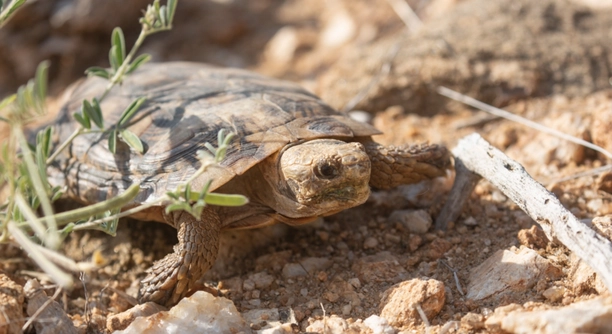
Pancake tortoises are fascinating creatures that need proper care and stimulation to stay active and healthy. Understanding how to keep them engaged is essential for their well-being.
Ensuring your pancake tortoise stays active involves providing a suitable environment, offering the right diet, and creating enrichment opportunities. Regularly monitoring their behavior, maintaining proper temperature and humidity, and encouraging exploration are key factors to their activity levels.
Knowing how to foster an environment where your tortoise feels active and comfortable will make a noticeable difference in its health and behavior.
Creating the Right Habitat
Pancake tortoises require a habitat that mimics their natural environment to stay active and healthy. Providing a spacious enclosure with plenty of hiding spots encourages exploration. Be sure to include flat rocks or logs for climbing, as tortoises enjoy a bit of challenge. The space should be well-lit, and temperature needs to be carefully controlled to ensure they’re comfortable. Maintaining proper humidity levels also plays a role in their overall activity.
With proper heating lamps and UVB lights, your tortoise will stay energized. A proper setup helps simulate day and night cycles, which is essential for their behavior and activity.
Offering a warm, safe, and stimulating environment allows your pancake tortoise to feel more at home. This will help them stay active by giving them the freedom to move around and explore.
Balanced Diet for Energy
A balanced diet is essential for your pancake tortoise’s activity.
Offer a variety of leafy greens, such as collard greens and dandelion leaves, along with occasional fruits and vegetables. Be sure to include a calcium supplement to support their shell health and bones.
Regular Exercise and Exploration
Your pancake tortoise needs daily exercise to remain active. Allowing them to roam outside of their enclosure in a secure area can stimulate their natural curiosity. This helps them stay physically fit and mentally engaged.
An outdoor space with safe, enclosed areas offers more room to explore. It’s also an excellent opportunity for your tortoise to bask in natural sunlight, which promotes healthy growth. Just be sure that the area is free of any predators or hazards.
When allowed to explore, tortoises are more likely to move around, climb, and dig. These activities will keep them agile, support muscle growth, and improve overall health.
Social Interaction and Stimulation
Pancake tortoises, though solitary creatures, can benefit from some social interaction.
If possible, you can introduce them to other pancake tortoises. However, be cautious and monitor their interactions to avoid any territorial behavior. Socialization encourages activity and can prevent loneliness, which might cause inactivity.
Tortoises also enjoy interaction with their owners. You can gently handle them, allowing for short periods of bonding. These moments can stimulate movement, as they may respond by exploring their environment more actively. Just be sure not to over-handle them to avoid stress.
Temperature and Humidity Control
Proper temperature and humidity levels are key to keeping your pancake tortoise active. A temperature range between 85°F and 90°F during the day is ideal. At night, it can drop to 70°F.
Humidity should be kept at around 50-70%. If the humidity is too low, it can lead to health problems, making your tortoise lethargic.
A thermometer and hygrometer are useful tools for monitoring these levels. Maintaining a consistent environment helps your tortoise stay energized and active, making them more likely to roam and explore their space.
Enrichment and Mental Stimulation
Enrichment activities are important to keep your pancake tortoise engaged and active.
You can provide different textures for climbing and digging. Hiding food or treats around the enclosure encourages them to search and forage. Simple additions like rocks or logs offer a challenge, keeping your tortoise physically and mentally stimulated.
FAQ
How often should I feed my pancake tortoise?
Pancake tortoises should be fed every other day. Their diet should primarily consist of leafy greens, grasses, and some fruits. A varied diet is important for their overall health. Avoid feeding them too many fruits, as the sugar content can affect their digestive health.
Can my pancake tortoise live with other turtles?
While pancake tortoises are generally peaceful, they can be territorial. It’s best to introduce them to other tortoises slowly and observe their behavior. If any aggression occurs, it’s better to keep them in separate enclosures.
What size enclosure does my pancake tortoise need?
A 40-gallon tank is the minimum recommended size for a single pancake tortoise. However, larger enclosures are better to allow them more space to move around. If possible, creating a larger, outdoor space with plenty of hiding spots and climbing areas will keep your tortoise active and happy.
Do pancake tortoises need UVB light?
Yes, UVB light is essential for pancake tortoises. It helps them synthesize vitamin D3, which is needed to process calcium for strong bones and shells. A UVB bulb should be provided for 10-12 hours a day to mimic natural sunlight.
Can I take my pancake tortoise outside?
Yes, but only in a safe, enclosed area. Pancake tortoises enjoy basking in natural sunlight, which is good for their health. However, make sure the outdoor area is free from predators, and never leave them unsupervised.
What temperature should I keep my pancake tortoise’s enclosure?
Daytime temperatures should be between 85°F and 90°F, and nighttime temperatures should drop to around 70°F. Proper heat sources like heat lamps can be used to maintain this range. Make sure there is also a cooler area for your tortoise to retreat to.
How can I tell if my pancake tortoise is healthy?
A healthy pancake tortoise is active, alert, and has clear eyes. The shell should be smooth and free of cracks or soft spots. Healthy tortoises will also have a good appetite and should be eating regularly. If your tortoise becomes lethargic, it could be a sign of stress or illness.
Why is my pancake tortoise not eating?
There are several reasons why a tortoise may not eat. Stress, improper temperature, or humidity levels can cause a loss of appetite. If you’ve recently made changes to their environment, they may need time to adjust. Illness can also cause a decrease in appetite, so if the behavior persists, consult a vet.
How long do pancake tortoises live?
Pancake tortoises can live for several decades, with a lifespan of 30 to 50 years in captivity if they are well-cared for. Proper diet, habitat, and health maintenance will ensure a long and active life.
Do I need to bathe my pancake tortoise?
Occasional baths can be helpful for keeping your tortoise hydrated. Fill a shallow dish with warm water and let your tortoise soak for about 10-15 minutes. This helps with hydration and can encourage digestion. Make sure the water is not too deep to avoid drowning.
Can I feed my pancake tortoise store-bought pellets?
Store-bought pellets can be fed in moderation, but they should not be the main part of your tortoise’s diet. Fresh leafy greens, grasses, and other natural foods should make up the bulk of their meals for better nutrition.
How do I keep my pancake tortoise’s shell healthy?
To maintain a healthy shell, ensure your tortoise is eating a proper diet with sufficient calcium and vitamin D3. Providing access to UVB light and maintaining proper humidity and temperature levels also helps prevent shell issues.
What type of substrate should I use in my tortoise’s enclosure?
Use a substrate that retains moisture but is also easy to clean, such as coconut coir or a mix of organic soil. Avoid using sand or gravel, as these can cause digestion issues if ingested. Keep the substrate dry enough to avoid mold growth.
Why is my pancake tortoise sleeping so much?
If your tortoise is sleeping more than usual, it could be a sign of stress or improper environmental conditions. Check the temperature and humidity levels to make sure they’re correct. It could also be a sign of hibernation if the tortoise is not feeling well.
Can I let my pancake tortoise roam around my house?
While it’s tempting to let your tortoise roam freely indoors, it’s not always safe. Make sure the area is secure, and be cautious of hazards such as stairs, toxic plants, or small spaces where they could get stuck. Always supervise their movement to ensure they stay safe.
What should I do if my pancake tortoise has a cracked shell?
A cracked shell can be serious and should be addressed immediately. If the crack is shallow, clean the area and apply a shell-safe bonding agent. If the crack is deep, consult a veterinarian for proper treatment to avoid infection.
Final Thoughts
Caring for a pancake tortoise requires a balance of providing the right environment, diet, and stimulation. These creatures thrive when their habitat is set up to mimic their natural surroundings, with proper lighting, temperature, and humidity. A spacious enclosure with the right types of enrichment—such as logs, rocks, and hidden food—is crucial for keeping your tortoise active. Without proper care, they may become stressed, inactive, or even ill. By ensuring these basics are met, your tortoise will have the opportunity to remain healthy and energetic.
A healthy diet is also key to your tortoise’s overall well-being. Leafy greens should be the core of their meals, along with occasional fruits and vegetables. Don’t forget to include a calcium supplement to support their shell and bone health. While it’s tempting to feed them pellets or commercial foods, fresh, natural food is always the best option. In addition to nutrition, hydration is important. Regular baths and a humidity-controlled environment will help them stay hydrated, improving their digestion and activity levels.
Lastly, remember that patience and observation are necessary when caring for a pancake tortoise. They can be slow-moving creatures, but they need plenty of space to roam and explore. Regular exercise and gentle social interaction with their owners or other tortoises are essential for their mental and physical stimulation. By keeping their environment clean and providing a consistent routine, you’ll help your tortoise remain active and happy for many years. With the right care, a pancake tortoise can be a rewarding companion, and watching them thrive can be a deeply satisfying experience.

Hello,
If you enjoy the content that we create, please consider saying a "Thank You!" by leaving a tip.
Every little bit helps us continue crafting quality advice that supports the health, happiness, and well-being of pets around the world, for pets of all shapes, sizes, and species.
We really appreciate the kindness and support that you show us!