
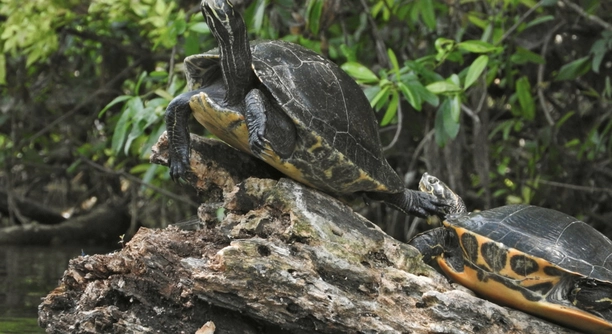
Cooter turtles undergo a natural process of shedding their shells as they grow. This important step allows them to stay healthy and develop properly. However, ensuring a smooth and stress-free shedding experience requires some attention and care.
To ensure a smooth shell shedding for your cooter turtle, it is essential to provide proper hydration, a balanced diet, and a suitable environment. Ensuring the turtle has enough calcium and UVB light is crucial for supporting the shedding process.
Proper care during shell shedding promotes the overall health of your cooter turtle. Understanding these steps can help avoid complications and contribute to your turtle’s long-term well-being.
Proper Hydration is Key
Ensuring that your cooter turtle has adequate hydration is a vital part of a smooth shell shedding process. Dehydration can make it more difficult for the turtle to shed its old shell, leading to issues like retained scutes. The easiest way to ensure hydration is by providing a shallow water dish large enough for your turtle to soak in. Water should be changed regularly to maintain cleanliness.
A cooter turtle’s environment should be kept humid, particularly during shedding periods. A humidity level of around 60-80% is ideal. This humidity will help soften the old shell, making it easier for your turtle to shed. You can maintain this level of humidity by misting the enclosure or adding a water feature.
Hydration supports not only the shedding process but also the overall health of your turtle. Without proper moisture, the old shell becomes stiff and may not come off as easily, causing discomfort and potential harm. Providing the right conditions for your turtle will make this natural process less stressful for both you and your pet.
Balanced Diet for Healthy Shells
The nutrients your cooter turtle consumes play a significant role in shell health. A balanced diet is necessary for supporting the shedding process and promoting healthy growth.
Offer your turtle a mix of leafy greens, vegetables, and occasional protein to ensure it gets the nutrients needed for strong shells. A diet rich in calcium will help strengthen the shell and prevent issues during the shedding phase. Without proper calcium, your turtle’s shell may not shed properly or could become deformed.
Maintaining a balanced diet will help your turtle shed its shell without complications. The right nutrients also contribute to long-term health, ensuring your cooter turtle’s shell stays strong and functional. Adding a calcium supplement, if necessary, is an excellent way to support these needs.
UVB Lighting for Optimal Shedding
UVB lighting is crucial for your cooter turtle’s health. It helps them produce vitamin D3, which is necessary for calcium absorption. Without it, your turtle may suffer from calcium deficiency, leading to weak shells and poor shedding.
A UVB light should be placed in your turtle’s enclosure, providing 10-12 hours of light during the day. Ensure the light is positioned correctly, so your turtle can bask underneath it for proper exposure. Regularly replace UVB bulbs to ensure they continue emitting the proper wavelengths.
Proper UVB lighting contributes significantly to your turtle’s ability to shed its shell properly. It promotes overall health, so your cooter can shed without complications. Keeping your turtle’s environment well-lit with the proper UVB exposure ensures the proper balance for healthy growth.
Creating the Right Environment
Creating a suitable environment for your turtle can make a big difference in how easily it sheds its shell. Temperature is a key factor. Ensure the basking area is heated to around 85-90°F, while the water should stay at 75-80°F.
A stable environment supports the shedding process, providing a comfortable setting for your turtle. Avoid temperature fluctuations, as they can stress your turtle, making it harder to shed. You can use a thermometer to monitor both the water and basking areas accurately. Providing a consistent environment with the right temperature encourages smooth shedding.
Additionally, the enclosure should be large enough for your turtle to move around freely. Adequate space helps reduce stress, and the right setup improves your turtle’s overall comfort during the shedding process. A peaceful environment is key to supporting their natural behaviors and promoting healthy shedding.
Regular Shell Inspections
Regularly inspect your turtle’s shell for signs of shedding. This will help you identify any areas that may need extra care. Keep an eye out for areas where the scutes aren’t coming off easily.
If your cooter turtle has trouble shedding its scutes, gentle assistance may be needed. Be careful not to force anything. If there are any signs of irritation, such as redness or swelling, it’s important to address the issue quickly. Monitor the shell closely for these signs and act when necessary.
Handling Stubborn Scutes
If your turtle is struggling to shed certain scutes, consider offering a shallow soak in warm water. This can help loosen any stubborn areas. Gently rubbing the area with a soft cloth may also help, but be cautious not to hurt your turtle.
If a scute remains stuck, consult a veterinarian. They can provide advice on how to safely help your turtle shed without causing harm. Never force the process, as it could result in injury or infection. With patience and proper care, most turtles will shed naturally and without issues.
Stress-Free Environment
Stress can interfere with the shedding process, so it’s important to minimize any potential stressors. Avoid loud noises, sudden temperature changes, or overcrowding in the enclosure.
A peaceful environment allows your turtle to focus on its natural processes. Stress can disrupt shedding, leading to complications like incomplete or difficult shedding. Keep your turtle’s surroundings calm, and provide a proper hideaway where it can retreat when feeling overwhelmed.
FAQ
How can I tell if my turtle is about to shed its shell?
You may notice your cooter turtle becoming more inactive or hiding more frequently before shedding. Additionally, the scutes on the shell may appear loose or rough. These are common signs that the turtle is preparing to shed.
Is shell shedding painful for my turtle?
In general, shedding is a natural process for turtles and should not cause them significant pain. However, if there is a stuck scute or any irritation, it can cause discomfort. Ensure the environment is properly maintained to minimize stress and support a smooth shedding process.
How often do cooter turtles shed their shells?
Cooter turtles shed their shells gradually over time. They do not shed all at once but rather in small pieces as they grow. This can happen several times a year, depending on their age and growth rate. Younger turtles may shed more frequently.
Should I help my turtle shed its shell?
It is usually best to let your turtle shed naturally. In some cases, you may need to assist by soaking your turtle in warm water to loosen stubborn scutes. If you notice any issues, such as redness, swelling, or infection, it’s essential to consult a veterinarian for guidance.
Can improper lighting affect shell shedding?
Yes, improper lighting, particularly the absence of UVB light, can interfere with the turtle’s ability to absorb calcium, which is crucial for proper shell health and shedding. Ensure your turtle has access to UVB lighting for at least 10-12 hours a day to support healthy shell growth and shedding.
What do I do if my turtle’s scutes don’t shed?
If the scutes are not shedding naturally, it could be due to dehydration or a lack of proper humidity. Soaking your turtle in warm water may help loosen the scutes. If they remain stuck, consider visiting a veterinarian to avoid further complications like infection.
Can I help my turtle shed its scutes by rubbing its shell?
You can gently rub your turtle’s shell with a soft cloth to help loosen any stubborn scutes, but be careful not to apply too much pressure. Forcing or scraping the scutes off can lead to injury. Always prioritize your turtle’s comfort and well-being.
How does diet affect shell shedding?
A balanced diet plays a significant role in ensuring your turtle’s shell is healthy and able to shed properly. Turtles need a diet rich in calcium and vitamins, particularly vitamin D3, to support strong shell growth. A deficiency in these nutrients can lead to problems during the shedding process.
How can I prevent my turtle from getting stuck in its shell?
Proper hydration, humidity, and temperature regulation are key to preventing stuck scutes. A dry or overly warm environment can lead to rough or stuck scutes. Regular shell inspections and providing a suitable habitat can help avoid complications during shedding.
How long does it take for a cooter turtle to shed its shell?
The shedding process for a cooter turtle can take several weeks. Unlike some reptiles, turtles shed their scutes gradually. The process may occur in small pieces, depending on the turtle’s growth. Be patient, and ensure the environment remains optimal during this time.
Is it normal for a turtle’s shell to appear uneven after shedding?
A slightly uneven shell after shedding can be normal, especially if the scutes have come off in pieces. However, if the shell becomes severely deformed or shows signs of injury, it is important to monitor it closely. Consult a veterinarian if you notice any concerning changes.
Can my turtle shed its shell if it’s stressed?
Stress can affect many aspects of a turtle’s health, including shell shedding. If your turtle is stressed, it may have difficulty shedding properly. To reduce stress, ensure the turtle’s environment is calm, with proper temperature, humidity, and lighting.
What should I do if my turtle’s shell becomes soft during shedding?
A soft shell during shedding can indicate a calcium deficiency or improper lighting. Ensure your turtle has access to UVB light and is receiving the proper nutrients. A lack of calcium can weaken the shell and cause problems during shedding. Consult a veterinarian if the issue persists.
Can my turtle shed its shell too much?
Over-shedding is uncommon but can occur if the turtle is stressed or exposed to an environment that is too hot or too cold. If you notice excessive shedding or if the shell becomes thin, consult a vet for advice on correcting the conditions.
Final Thoughts
Shell shedding is a natural process for your cooter turtle, and when it happens regularly, it’s a good sign of a healthy, growing turtle. It’s important to monitor the process and provide the proper care, such as maintaining the right temperature, humidity, and diet. While shedding is often smooth, it’s essential to watch for any signs of difficulty, like stuck scutes, and address them promptly to avoid complications.
If you notice your turtle having trouble shedding, gentle help, such as soaking in warm water or rubbing the shell lightly with a soft cloth, can assist in loosening the scutes. However, never force the scutes off, as this can cause injury. If problems persist, it’s always best to consult a veterinarian for guidance and treatment. They can offer advice on how to handle more serious cases, like infections or deformed shells, ensuring that your turtle remains healthy.
Creating a calm and stress-free environment for your turtle can significantly improve the shedding process. Avoid sudden temperature changes and loud noises that might make your turtle feel unsafe. With the right care and attention, your turtle will be able to shed its shell successfully and continue to thrive. Regular inspections, proper diet, and a stress-free environment will go a long way in helping your cooter turtle stay healthy and comfortable throughout its life.

Hello,
If you enjoy the content that we create, please consider saying a "Thank You!" by leaving a tip.
Every little bit helps us continue crafting quality advice that supports the health, happiness, and well-being of pets around the world, for pets of all shapes, sizes, and species.
We really appreciate the kindness and support that you show us!