
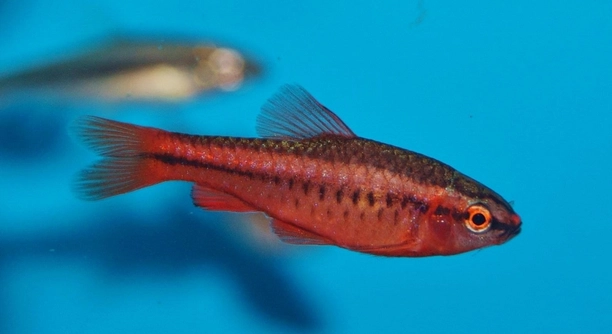
Starting a new aquarium can be a rewarding experience, especially when setting up a tank for Cherry Barbs. Understanding the basics of cycling the tank ensures a healthy environment for your fish from the start.
Cycling a Cherry Barb tank from scratch involves establishing a stable nitrogen cycle. This process promotes beneficial bacteria growth, helping to break down harmful waste and maintain water quality. Following proper cycling steps is essential for fish health.
Learning the key steps in cycling your tank will ensure that your Cherry Barbs thrive in a clean, safe environment.
Understanding the Nitrogen Cycle
Cycling a tank is the process of establishing a healthy nitrogen cycle. This cycle involves beneficial bacteria that break down harmful substances like ammonia and nitrites produced by fish waste. Without this cycle, the water can become toxic, leading to poor fish health and even death. The cycle takes time, but once it’s established, it creates a stable environment for your Cherry Barbs.
To begin the process, you need to introduce ammonia into the tank. This can be done by adding a small amount of fish food or ammonia directly. As the ammonia breaks down, nitrites will form, followed by nitrates. The nitrates are less harmful to the fish and can be controlled with regular water changes. It’s essential to monitor these levels during the cycle to ensure they stay within safe ranges. The bacteria will establish themselves over time and handle waste removal.
You should allow the tank to cycle for several weeks. Test the water regularly to track the ammonia, nitrite, and nitrate levels. During this time, avoid adding fish until the cycle is complete to prevent exposing them to harmful toxins.
Preparing the Tank
Before cycling, it’s important to set up the tank properly. Ensure the substrate, filter, and decorations are clean, and the water is treated with a dechlorinator.
Once the tank is set up and treated, check the temperature. Cherry Barbs thrive in water temperatures between 74°F and 78°F. A consistent temperature helps bacteria grow faster and more efficiently during the cycling process. Ensure your filter is running continuously, as it provides the necessary water movement for proper filtration.
Adding Ammonia to Start the Cycle
Once your tank is set up, you need to introduce ammonia to kickstart the nitrogen cycle. This provides a food source for the bacteria that will grow during the cycling process. Ammonia can be added in small doses by using fish food or pure ammonia.
Monitor ammonia levels with a test kit, ensuring they reach around 2 to 3 ppm. As the bacteria grow, they’ll consume this ammonia and convert it into nitrites. Once nitrite levels begin to rise, you’ll know the bacteria are beginning to colonize your tank. Be patient, as this process can take several weeks.
During this time, it’s important not to add any fish. The cycle needs to complete without living organisms in the tank, as their waste would interfere with the process. Keep testing regularly to track the ammonia and nitrite levels.
Monitoring Nitrite and Nitrate Levels
After a few weeks, you’ll start to see nitrites in the water, signaling that the first stage of the cycle is working. Nitrites are toxic to fish, so it’s crucial to monitor their levels carefully.
Once nitrites rise, you should keep adding small amounts of ammonia. This helps keep the bacteria thriving until the next stage. As nitrite levels reach their peak, they will eventually drop, and nitrate levels will rise. Nitrates are less harmful to fish but still need to be managed with regular water changes. Aim to keep nitrates below 20-40 ppm.
By this stage, the cycling process should be nearing completion. The tank should now be able to break down ammonia and nitrites efficiently, creating a safe environment for your Cherry Barbs. Continue testing the water until the ammonia and nitrite levels consistently read zero.
Completing the Cycle
Once you notice that ammonia and nitrite levels are consistently zero, the cycling process is almost complete. At this point, your tank is safe for fish. The bacteria colonies that handle ammonia and nitrite have fully established themselves.
You can now begin adding fish gradually. Start with a few Cherry Barbs to avoid overloading the tank, as too many fish at once can cause a spike in waste, stressing the established bacteria. This ensures that the tank remains stable and safe for your fish.
Test the water one last time to confirm that the levels are zero before introducing your fish. This will ensure that your new aquatic friends have a safe environment to thrive in.
Doing Regular Water Changes
Once the tank is fully cycled, regular water changes are necessary to maintain water quality. Doing water changes removes excess nitrates, keeping your tank environment healthy for your Cherry Barbs. Aim for about 25% to 30% every week.
Consistency is key when doing water changes. By removing some of the water, you lower nitrate levels, which can build up over time. The filter also helps, but a good water change routine ensures the tank stays clean and the bacteria stay balanced. Always use a dechlorinator to treat the new water before adding it to the tank.
Keeping the Tank Stable
Stability is crucial for a healthy tank. Once your Cherry Barbs are added, ensure that the filter is running properly and that water parameters remain stable. Make adjustments as needed, such as increasing aeration or changing the filter media if necessary.
Regularly check the temperature, pH, ammonia, nitrite, and nitrate levels. Small changes can prevent larger problems. Stability ensures your fish will thrive, and the bacteria colonies in the filter will continue to handle the waste. Keep a consistent routine to maintain a healthy environment.
FAQ
How long does it take to cycle a Cherry Barb tank?
Cycling a Cherry Barb tank can take anywhere from 4 to 6 weeks. The process depends on factors such as the temperature of the water, the presence of ammonia, and how much bacteria is already present in the tank. The more stable the conditions, the faster the cycle will complete. Be patient, as cycling too quickly by adding fish can cause harm to the tank’s ecosystem. Testing the water regularly will give you an accurate sense of progress.
Can I speed up the cycling process?
While cycling a tank cannot be rushed entirely, there are a few methods to speed it up. Adding a commercially available bacterial starter can help jumpstart the bacterial colony. Some people also use media from an established tank to introduce beneficial bacteria. However, rushing the process by adding fish too early can lead to deadly spikes in ammonia and nitrite. It’s crucial to let the cycle finish naturally.
Should I add fish during the cycling process?
No, it’s not recommended to add fish during the cycling process. Adding fish too soon exposes them to toxic levels of ammonia and nitrites, which can harm or kill them. The cycle should be completed before any fish are introduced, as the bacteria responsible for breaking down waste need time to develop. Once ammonia and nitrite levels reach zero consistently, it’s safe to add your Cherry Barbs.
How can I tell if my tank is cycled?
You can tell if your tank is cycled by regularly testing the water. If both ammonia and nitrite levels read zero, and nitrates are present, then the nitrogen cycle is complete. You should also observe that the ammonia and nitrite levels never spike after adding fish. If this happens, the tank is ready for your Cherry Barbs.
What happens if I don’t cycle my tank?
If you don’t cycle your tank, you risk creating an environment that is toxic for your Cherry Barbs. Without a properly established nitrogen cycle, harmful substances like ammonia and nitrites will accumulate in the water. These toxins can cause severe stress to your fish, leading to illness or death. Cycling is essential for a healthy tank.
Can I use live plants to help with cycling?
Yes, live plants can help with cycling your tank. They naturally absorb some of the ammonia and nitrates, which can aid the nitrogen cycle. While plants won’t completely replace the need for bacteria, they can make the process a bit easier and more efficient. They also improve water quality in the long run, creating a more balanced environment for your fish.
Is it okay to use a chemical filter during cycling?
Chemical filters can be used, but they should not be relied on to complete the cycling process. Activated carbon and other chemical filtration can remove ammonia, nitrites, and nitrates, but they do not promote bacterial growth. To cycle a tank effectively, you need biological filtration, which encourages the growth of the beneficial bacteria that break down waste. Once your tank is cycled, chemical filtration can be used for routine cleaning.
How do I monitor ammonia and nitrite levels?
You can monitor ammonia and nitrite levels using a test kit designed for aquarium water. These kits typically come with liquid reagents or strips that change color based on the concentration of ammonia or nitrite in the water. Regular testing every 2-3 days during the cycling process is important to track your tank’s progress and ensure that levels are safe for fish once you add them.
What should I do if ammonia levels spike during cycling?
If ammonia levels spike during cycling, it’s important to stay patient and not add fish. Ammonia spikes can occur during the early stages of cycling as bacteria are still establishing themselves. You can add a small amount of fish food to introduce more ammonia, which encourages bacterial growth. However, be sure to keep testing and ensure levels eventually drop as the bacteria establish themselves.
Can I use a filter during the cycling process?
Yes, you should definitely use a filter during the cycling process. The filter helps create water movement and provides a surface for beneficial bacteria to colonize. Without a filter, the cycling process will take much longer, and waste products will build up more quickly, potentially harming the tank. Always make sure the filter is running continuously for the best results.
How do I handle algae growth during cycling?
Algae growth during cycling is common, especially if the tank is exposed to too much light. You can reduce light exposure by limiting the time the tank light is on each day. Be sure to clean the tank regularly by removing any visible algae. However, it’s important not to use any chemicals or algaecides, as they could interfere with the cycling process. Once the cycle completes and you add your Cherry Barbs, the algae growth should be manageable.
What should I do after the tank is cycled?
Once your tank is cycled, it’s time to start introducing fish slowly. Begin with a few Cherry Barbs and give the bacteria time to adjust to the new waste load. Continue testing the water to ensure that ammonia and nitrites remain at safe levels. Establish a regular maintenance routine, including water changes and filter cleaning, to keep the tank stable. Monitor your fish’s health and behavior closely during the first few weeks.
How often should I change the water during the cycling process?
During the cycling process, it’s best to do water changes if ammonia or nitrite levels get too high, but try not to do large changes, as they may interfere with bacterial growth. Small, 10-20% water changes can help keep levels safe while the bacteria colonize. Once the cycle is complete, regular water changes of about 25% each week are ideal to maintain a healthy environment.
What if the water tests show high nitrates?
High nitrate levels in a newly cycled tank may be an indication of overfeeding or not doing enough water changes. While nitrates are less harmful than ammonia and nitrites, they can build up over time. To manage high nitrate levels, you should increase the frequency of water changes and ensure that your tank isn’t overstocked. Live plants can also help reduce nitrates, as they absorb them for growth.
Final Thoughts
Cycling a Cherry Barb tank from scratch is an important process that requires patience and attention. While it can take several weeks to complete, it ensures that your tank will provide a safe and healthy environment for your fish. The nitrogen cycle is crucial for breaking down harmful substances like ammonia and nitrites, which can otherwise be toxic to your Cherry Barbs. By allowing the tank to cycle properly, you are setting up the foundation for a thriving aquarium.
During the cycling process, it’s important to regularly monitor water parameters, especially ammonia, nitrite, and nitrate levels. Testing frequently will give you a clear understanding of when the cycle is complete. When both ammonia and nitrite levels drop to zero, and nitrates begin to appear, it’s a sign that beneficial bacteria have fully established themselves. At this point, you can confidently introduce your Cherry Barbs and other tankmates, knowing that the water quality is safe for them. Remember to keep an eye on the water parameters even after cycling, as fluctuations can still occur, particularly when adding new fish or making significant changes to the tank.
Once the cycling process is complete and your Cherry Barbs are introduced, regular maintenance is key to keeping the tank healthy. Performing consistent water changes, testing water quality, and maintaining the filtration system will ensure that your fish stay healthy and the tank remains stable. Over time, the bacteria colonies in your filter will continue to grow and handle waste more efficiently. With proper care and attention, your Cherry Barb tank will become a beautiful and low-maintenance aquatic environment for years to come.

Hello,
If you enjoy the content that we create, please consider saying a "Thank You!" by leaving a tip.
Every little bit helps us continue crafting quality advice that supports the health, happiness, and well-being of pets around the world, for pets of all shapes, sizes, and species.
We really appreciate the kindness and support that you show us!