
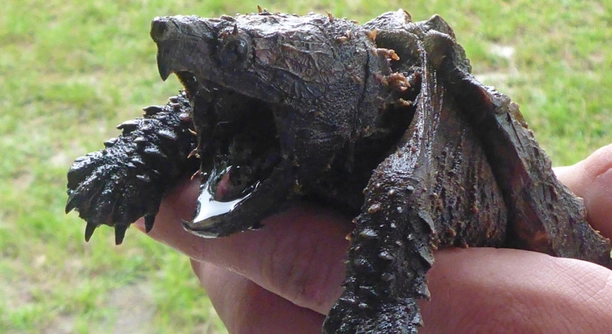
Creating a suitable habitat for an alligator snapping turtle involves more than just water and land. The environment must replicate their natural surroundings to ensure their health and comfort. This requires careful attention to several key factors.
To create a naturalistic habitat for an alligator snapping turtle, focus on water quality, temperature, and hiding spots. Incorporate rocks, logs, and plants for a more realistic environment. Regular maintenance ensures optimal conditions for their growth and well-being.
A few adjustments in your tank setup can significantly improve the habitat. Keep reading to discover the steps to create an ideal environment for your alligator snapping turtle.
1. Choosing the Right Tank Size
When setting up a habitat for your alligator snapping turtle, tank size matters. These turtles can grow quite large, with some reaching up to 26 inches in length. As a general rule, aim for at least a 75-gallon tank for a single adult turtle. Larger tanks are better as they provide more space for swimming and exploring, which helps mimic the turtle’s natural habitat.
You’ll also need to think about the height of the tank. These turtles like to stay near the bottom but will occasionally come up for air. A deeper tank allows them to dive and explore more freely, ensuring they stay active and healthy.
Adding a lid or cover to the tank is essential to prevent the turtle from escaping. Make sure it has proper ventilation to ensure airflow, as fresh air is crucial for the turtle’s health. Proper tank size and secure housing contribute to your turtle’s overall well-being, creating a safe, comfortable environment.
2. Water Quality and Filtration
Water quality is essential for maintaining a healthy habitat.
Ensure the water is kept clean using a strong filtration system. A good filter will remove waste, prevent bacteria buildup, and keep the water clear. Regular water changes, along with proper filtration, will keep the tank conditions ideal.
Alligator snapping turtles are very sensitive to dirty water, which can lead to shell rot or infections. The water should be slightly acidic to neutral in pH, and the temperature should range from 75°F to 85°F. Use a thermometer to monitor the water temperature closely. Changing water regularly and maintaining a proper filtration system are necessary to prevent harmful bacteria and ensure a clean living space for your turtle. Without this, your turtle’s health may suffer, leading to a range of potential issues.
3. Creating Hiding Spots
Turtles need places to hide and feel secure in their environment.
Use rocks, logs, and submerged plants to create natural hiding spots. These areas give the turtle space to retreat when it feels stressed or needs privacy. Positioning these elements near the tank’s bottom ensures the turtle can access them easily.
Hiding spots also mimic the turtle’s natural habitat, where they seek shelter among fallen logs and submerged debris. Adding a mix of open and covered spaces allows the turtle to feel safe while also encouraging natural behaviors like foraging and exploring. Keep the decorations clean to avoid mold or algae growth, which could harm the turtle.
4. Lighting and Heating Needs
Proper lighting and heating are crucial for a healthy alligator snapping turtle.
Alligator snapping turtles require UVB lighting to synthesize vitamin D3, which helps them absorb calcium. Place the UVB light over the basking area to simulate natural sunlight. The light should be on for 10 to 12 hours a day to mimic daylight cycles.
Basking spots should be set up to ensure the turtle can dry off after swimming. A heat lamp can be positioned above the basking area to provide warmth, with temperatures ranging from 85°F to 90°F. The heat will help the turtle regulate its body temperature, making it more comfortable. Ensure there is a water temperature gradient, as the turtle needs cooler water to swim in and a warmer spot for basking. Regularly monitor the lighting and heating to prevent fluctuations that could stress the turtle.
5. Substrate Choices
The substrate in your turtle’s tank helps create a natural environment.
Sand, gravel, or river rocks are ideal options for the bottom of the tank. They allow the turtle to dig and burrow, which is a behavior they naturally exhibit. Ensure the substrate is not too fine, as it can cause impaction if ingested.
The right substrate also makes the tank look more natural. It provides hiding spots and encourages foraging behavior. Avoid using substrates that are too rough or sharp, as they can injure your turtle’s soft shell. Maintain regular cleaning to prevent the buildup of waste or bacteria.
6. Feeding and Diet
Feeding your alligator snapping turtle requires careful planning.
These turtles are carnivorous, with a diet consisting mainly of fish, aquatic insects, and crustaceans. You can supplement their diet with worms, snails, or small amphibians. A varied diet helps them receive the necessary nutrients for growth and health.
Feed your turtle in a designated feeding area to avoid excess waste buildup in the tank. Monitor the amount of food to prevent overfeeding, as this can lead to poor water quality. Removing uneaten food quickly ensures the water remains clean and prevents bacteria from developing.
7. Tank Maintenance
Regular maintenance is necessary for a clean, healthy habitat.
Perform water changes every week or two, depending on tank size and filter efficiency. Test the water quality regularly to ensure the pH, ammonia, nitrites, and nitrates remain balanced. Clean the tank’s surfaces, decorations, and substrate to remove debris.
Maintaining proper tank conditions is essential to your turtle’s well-being. If left unchecked, waste buildup can lead to poor water quality and health issues for the turtle. Regular checks and cleaning prevent harmful bacteria and parasites, ensuring the tank environment stays safe and hygienic. Proper filtration and routine care are key.
FAQ
How often should I feed my alligator snapping turtle?
Feeding frequency depends on the age of your turtle. Juveniles need to be fed every other day, while adult turtles can be fed 2-3 times a week. Overfeeding can lead to water quality issues, so monitor how much food is consumed. Remove any uneaten food promptly.
What temperature should the water be for my alligator snapping turtle?
The water temperature should be kept between 75°F and 85°F. Using an aquarium heater can help maintain the water at a consistent temperature. The turtle should have access to cooler areas for swimming and warmer areas for basking.
Can I keep more than one alligator snapping turtle together?
It’s best to keep them alone, as they can be territorial, especially in smaller tanks. If you want to keep more than one, make sure the tank is large enough (at least 100 gallons per turtle) and that each has plenty of hiding spots and space to avoid conflict.
Do alligator snapping turtles need a basking area?
Yes, they need a basking area to dry off after swimming. Set up a small platform or basking dock that is easily accessible. The basking area should have a heat lamp to maintain a temperature of 85°F to 90°F.
What kind of lighting does my alligator snapping turtle need?
Your turtle needs UVB lighting to help synthesize vitamin D3. This light should be on for 10 to 12 hours a day, positioned over the basking area. UVB lighting helps prevent shell disease and other health problems related to calcium deficiencies.
How can I keep my alligator snapping turtle’s water clean?
Use a strong filtration system and perform regular water changes every 1-2 weeks. The filter should be able to handle at least 2-3 times the volume of water in the tank per hour. Keep an eye on the water’s pH and ammonia levels as well.
What should I do if my alligator snapping turtle is not eating?
If your turtle isn’t eating, check water quality, temperature, and lighting. Poor conditions can stress your turtle and cause a loss of appetite. Offer a variety of foods like fish, worms, or snails to encourage eating. If the problem persists, consult a vet.
Can alligator snapping turtles live with other tank mates?
Alligator snapping turtles are solitary animals and should not be housed with smaller fish or turtles, as they may become aggressive. It’s best to keep them alone or with larger, non-aggressive species that won’t compete for food or territory.
What type of substrate should I use for my alligator snapping turtle’s tank?
Gravel, river rocks, or sand are good choices for the substrate. The substrate should be easy to clean, not too fine, and free of sharp edges. Avoid using sand that is too fine, as it can cause impaction if ingested.
How big of a tank do I need for an alligator snapping turtle?
At a minimum, you should have a 75-gallon tank for one adult alligator snapping turtle. The tank should have enough depth for the turtle to swim freely and dive. Larger tanks provide better water quality and more space for the turtle to explore.
How do I set up a basking area for my alligator snapping turtle?
Place a platform or rock in the tank for the turtle to climb out of the water. Add a heat lamp over the basking area to maintain a temperature of 85°F to 90°F. Ensure the area is dry and safe for the turtle to bask.
Why is my alligator snapping turtle’s shell soft?
A soft shell may indicate a calcium deficiency, often due to inadequate UVB lighting or improper diet. Ensure your turtle has access to UVB lighting and a diet rich in calcium. You may also need to add a calcium supplement to the turtle’s food.
How can I prevent my alligator snapping turtle from escaping?
Make sure your tank is securely covered, as these turtles are strong swimmers and can climb. Use a lid with a mesh or secure top to prevent escape. Check that the lid is tightly fitted, and ensure the turtle can’t squeeze out.
Do I need to provide water changes for my alligator snapping turtle?
Yes, water changes are essential to keep the habitat clean. Perform partial water changes every week or two, depending on tank size and filtration system. Testing water quality regularly will help you know when it’s time for a change.
Can I handle my alligator snapping turtle?
It’s best to avoid frequent handling, as these turtles are not naturally social and can become stressed. Only handle them when necessary, such as during tank cleaning or medical checks. If you do handle them, be gentle and avoid causing stress.
How do I tell if my alligator snapping turtle is sick?
Signs of illness include a lack of appetite, lethargy, shell deformities, or difficulty swimming. If you notice any of these symptoms, check the water conditions and consult a veterinarian for further evaluation and treatment. Early detection is key to preventing further health issues.
What should I do if my alligator snapping turtle has shell rot?
Shell rot is a serious condition that requires immediate attention. Keep the turtle in clean, warm water, and consult a vet for treatment. Shell rot can be caused by poor water quality, and regular tank maintenance can help prevent it from occurring.
How can I make sure my alligator snapping turtle is getting enough calcium?
Provide a diet rich in calcium by offering foods like fish with bones, snails, and insects. You can also add a calcium supplement to the food. Make sure your turtle has access to UVB lighting, which is essential for calcium absorption.
Final Thoughts
Creating a naturalistic habitat for your alligator snapping turtle requires careful attention to detail. It’s important to replicate the conditions they would experience in the wild, including proper water temperature, lighting, and food. By providing a spacious tank with a secure basking area, you help ensure your turtle’s health and well-being. Regular water changes and a good filtration system will also keep the habitat clean, which is essential for the turtle’s overall health. Monitoring water quality, temperature, and light levels consistently can make a significant difference in how well your turtle thrives in its environment.
Although alligator snapping turtles are generally low-maintenance once their habitat is set up correctly, they do have specific needs that must be met. UVB lighting is crucial to prevent calcium deficiencies, and a balanced diet rich in protein and calcium is necessary for growth and shell health. Additionally, keeping the tank clean and ensuring that the turtle has space to roam and dive will prevent stress and health issues. Overcrowding or improper tank size can lead to aggression, so make sure there’s enough space for your turtle to feel secure.
In conclusion, setting up and maintaining a naturalistic habitat for your alligator snapping turtle can be a rewarding experience. It allows you to provide an environment that closely resembles their natural surroundings while keeping them healthy and comfortable. Remember that patience is key as you make adjustments and observe your turtle’s behaviors to ensure its needs are being met. With the right care, your alligator snapping turtle will thrive in its habitat for years to come.

Hello,
If you enjoy the content that we create, please consider saying a "Thank You!" by leaving a tip.
Every little bit helps us continue crafting quality advice that supports the health, happiness, and well-being of pets around the world, for pets of all shapes, sizes, and species.
We really appreciate the kindness and support that you show us!