
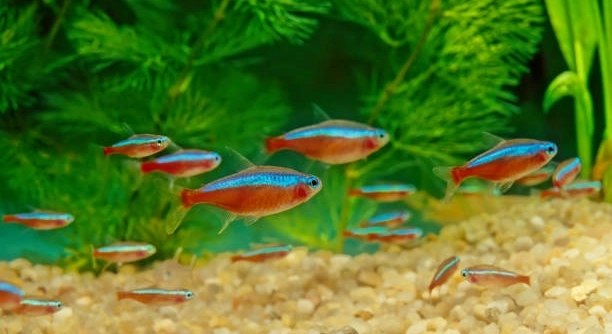
Setting up a Tetra tank can be a rewarding experience for both new and seasoned aquarium enthusiasts. Creating the right environment helps your fish thrive and keeps the tank looking vibrant. Knowing the basic steps is essential to a successful setup.
The ultimate Tetra tank requires careful planning of water conditions, tank size, filtration, lighting, plants, and decorations to create a balanced and healthy habitat. Each element must work together to support the needs of the fish and maintain stability.
Following these seven clear steps will help you build a beautiful and lasting aquarium for your Tetras to enjoy.
Choosing the Right Tank Size
Choosing the correct tank size is one of the most important steps in creating a successful Tetra tank. Tetras are small fish, but they need space to swim comfortably. A tank that is too small can lead to stress and poor health. For a small group of Tetras, a 10-gallon tank is the minimum size recommended. However, larger tanks offer more stable water conditions and room for decorations or plants, which Tetras enjoy. When selecting your tank, consider how many fish you want to keep and how much space you have available. It’s better to have a little extra room than to overcrowd the tank. Keeping the tank in a quiet area away from direct sunlight can also help maintain water quality and reduce algae growth.
Smaller tanks require more frequent maintenance, so opting for a slightly bigger tank can save time and effort.
A tank around 20 gallons provides enough room for 10 to 15 Tetras, plus decorations and plants. This size helps keep the water stable, reducing stress on your fish. It also makes cleaning easier because changes in water chemistry happen more slowly. Make sure the tank has a secure lid to prevent fish from jumping out. Choosing the right tank size at the start will create a healthy environment where your Tetras can thrive for years.
Setting Up Proper Filtration
Filtration is key to maintaining water quality in your Tetra tank. A good filter removes waste and toxins that build up quickly in small spaces. Tetras need clean water to stay healthy, so the filter should be suited to the tank size and provide gentle water flow.
Filters come in several types, including sponge, hang-on-back, and canister filters. For Tetras, a filter with adjustable flow is best because strong currents can stress them. Setting up the filter properly means placing it where water circulates well but does not create rough movement. The filter media should be cleaned regularly without removing all the beneficial bacteria that help break down waste.
A well-maintained filter keeps your tank’s water clear and safe, reducing the risk of disease and making it easier to care for your fish. Using a combination of mechanical, biological, and chemical filtration will ensure the best water conditions for your Tetras. Keeping the filter clean and running smoothly is a small step that has a big impact on tank health and fish happiness.
Selecting the Right Water Parameters
Tetras thrive in water that is slightly acidic to neutral, with a pH between 6.0 and 7.5. The temperature should be steady, ideally between 72 and 80°F (22-27°C). Consistency is key to avoid stressing the fish.
Maintaining proper water parameters means testing regularly and adjusting as needed. Use a reliable test kit to check pH, ammonia, nitrites, and nitrates. Ammonia and nitrites should always be at zero, as they are toxic. Nitrates should be kept below 20 ppm to prevent stress and illness. Changing 10-20% of the water weekly helps keep these levels in check and removes waste buildup.
Temperature control is just as important. A heater with a thermostat helps maintain a steady temperature. Avoid placing the tank near drafts or direct sunlight to prevent fluctuations. Stable water conditions support healthy fish and reduce the risk of disease, making your Tetra tank easier to manage.
Choosing Plants and Decorations
Live plants improve water quality by absorbing nitrates and provide hiding spots for Tetras, which helps reduce stress. Popular choices include Java fern, Anubias, and Amazon sword. These plants are hardy and low-maintenance, ideal for beginners.
Decorations should offer places for Tetras to explore without overcrowding the tank. Smooth rocks, driftwood, and caves work well and create natural environments. Avoid sharp or rough materials that can injure the fish. Keep open swimming areas because Tetras like to swim freely.
Regular trimming of plants keeps the tank neat and prevents decay that can harm water quality. A well-planted tank looks natural and keeps Tetras comfortable, encouraging healthy behavior and bright colors.
Feeding Your Tetras
Tetras need a balanced diet to stay healthy and vibrant. High-quality flakes or pellets made for small tropical fish are a good base. Supplement their diet occasionally with live or frozen foods like brine shrimp or bloodworms to provide variety.
Feed small amounts two to three times a day. Overfeeding can pollute the tank and harm your fish. Remove any uneaten food after a few minutes to keep the water clean and maintain good tank conditions.
Monitoring Fish Health
Regular observation helps catch health issues early. Watch for changes in behavior, color, or appetite. Common signs of illness include clamped fins, spots, or unusual swimming patterns. Prompt action can prevent serious problems.
Performing Regular Water Changes
Water changes remove waste and toxins that build up over time. Replacing 10-20% of the tank water weekly helps keep the environment healthy. Always use dechlorinated water at the same temperature to avoid shocking your fish.
Maintaining Equipment
Check filters, heaters, and lights regularly to ensure they work properly. Clean or replace parts as needed to keep the tank stable and safe for your Tetras.
FAQ
How often should I feed my Tetras?
Feeding your Tetras small amounts two to three times daily is ideal. This keeps their digestion steady without overloading the tank. Overfeeding causes leftover food to decay, leading to poor water quality. Always remove any uneaten food within a few minutes to avoid this.
What is the best water temperature for Tetras?
Tetras do best in water between 72°F and 80°F (22°C to 27°C). Keeping the temperature steady is important. Sudden changes can stress your fish and cause health problems. Using an aquarium heater with a thermostat helps maintain a consistent temperature.
Can Tetras live with other fish?
Yes, Tetras are generally peaceful and do well with other small, non-aggressive fish. Good tank mates include guppies, rasboras, and Corydoras catfish. Avoid larger or aggressive fish that might bully or eat your Tetras.
How do I know if my Tetras are stressed?
Signs of stress include hiding more than usual, losing color, clamped fins, and erratic swimming. Stress can be caused by poor water quality, sudden changes, or aggressive tank mates. Improving water conditions and providing hiding spots often helps.
What kind of filter is best for a Tetra tank?
A filter with gentle water flow, like a sponge or hang-on-back filter with adjustable flow, works best. Tetras do not like strong currents because they prefer calm waters. The filter should offer mechanical, biological, and chemical filtration for clean and healthy water.
How often should I change the water?
Change 10-20% of the tank water weekly. This helps remove waste and keeps toxins low. Use dechlorinated water at the same temperature as the tank to avoid shocking your fish. Regular water changes are key to a healthy aquarium.
Do Tetras need live plants?
Live plants are beneficial but not required. They help absorb nitrates and provide hiding spots, which reduce stress. Hardy plants like Java fern and Anubias are easy to care for and improve the tank’s look. If live plants are not an option, use artificial plants but make sure they have no sharp edges.
Why are my Tetras losing color?
Loss of color can be a sign of stress, illness, or poor water conditions. Check water parameters and tank mates for any problems. Proper diet, clean water, and a calm environment help Tetras maintain their bright colors.
Can Tetras live in a small tank?
While Tetras are small, a tank under 10 gallons is usually too small for a healthy group. Small tanks have unstable water conditions and limited swimming space. A 10-gallon tank is the minimum, but 20 gallons or more is better for stable conditions.
What should I do if a Tetra gets sick?
Isolate the sick fish in a quarantine tank if possible. Test the water for ammonia, nitrites, and nitrates. Treat the fish with medication suitable for the illness, following the instructions carefully. Maintaining clean water and a balanced diet helps prevent illness.
How many Tetras should I keep together?
Tetras are schooling fish and should be kept in groups of at least six. Larger groups help reduce stress and encourage natural behavior. Keeping fewer than six can lead to shyness and health problems.
Is it okay to keep different Tetra species together?
Many Tetra species get along well if their needs match. Just make sure the tank is large enough to accommodate all fish comfortably. Mixing species with very different water preferences or temperaments can cause stress or aggression.
What kind of substrate is best for a Tetra tank?
Fine gravel or sand works well for Tetras. The substrate should not have sharp edges to avoid injuring the fish. A darker substrate can help show off their colors better and create a more natural look.
How do I prevent algae growth?
Algae can grow if the tank receives too much light or has excess nutrients. Avoid placing the tank in direct sunlight and keep light periods to about 8-10 hours daily. Regular water changes and not overfeeding also help keep algae under control.
How long do Tetras live?
With proper care, Tetras typically live between 3 to 5 years. Stable water conditions, a good diet, and a stress-free environment all contribute to their lifespan.
This FAQ covers common concerns and offers straightforward answers to help maintain a healthy and thriving Tetra tank.
Creating the ultimate Tetra tank takes attention to detail and consistent care. By following the basic steps—choosing the right tank size, maintaining proper water conditions, and providing suitable food and decorations—you set the foundation for a healthy environment. Each element contributes to the well-being of your fish and the overall stability of the aquarium. Regular maintenance, like water changes and equipment checks, keeps everything running smoothly and helps avoid common problems.
Patience and observation are key. Tetras are sensitive to changes in their environment, so small adjustments can make a big difference. Watching their behavior and appearance regularly lets you catch issues early, which makes treatment easier. Building a tank that mimics their natural habitat with plants and gentle water flow helps them feel secure. This reduces stress and encourages natural behaviors, resulting in more vibrant and active fish.
Overall, a well-planned Tetra tank can be both beautiful and rewarding. It offers a peaceful, lively display and a chance to care for living creatures responsibly. The effort you put in will pay off with a balanced aquarium where your Tetras can thrive. Taking the time to learn about their needs and providing consistent care creates a healthy, lasting home for your fish.

Hello,
If you enjoy the content that we create, please consider saying a "Thank You!" by leaving a tip.
Every little bit helps us continue crafting quality advice that supports the health, happiness, and well-being of pets around the world, for pets of all shapes, sizes, and species.
We really appreciate the kindness and support that you show us!