
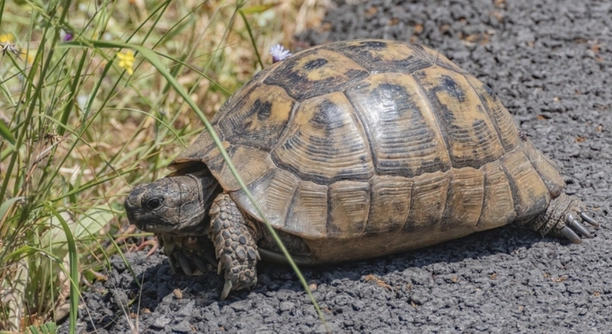
Creating the perfect feeding schedule for your Greek tortoise ensures they stay healthy and thrive in their habitat. A well-balanced diet tailored to their needs is essential for their growth and well-being.
A proper Greek tortoise feeding schedule should include a mix of fresh vegetables, grasses, and occasional fruits. It is important to feed them daily, offering food in appropriate portions while ensuring variety to meet their nutritional needs.
The right feeding routine can significantly improve your tortoise’s overall health. We will discuss the steps you can take to design an optimal feeding plan.
Step 1: Understand Your Greek Tortoise’s Nutritional Needs
Greek tortoises are herbivores, meaning their diet should primarily consist of plant-based foods. They need a variety of leafy greens, grasses, and vegetables to maintain good health. You should aim to provide high-fiber, low-calcium foods such as dandelion greens, clover, and certain types of lettuce. They also need calcium to support their shell growth, so occasionally offering foods like collard greens and kale is essential. Fruits can be included in moderation, but they should not be a main part of the diet. Overfeeding fruits can lead to digestive issues. By focusing on the right balance of nutrients, you’ll help your tortoise avoid common health problems like shell deformities or obesity.
Understanding what makes up a balanced diet for a Greek tortoise will guide you in preparing the best feeding schedule. Knowing the types of foods to offer, and how often to provide them, will prevent any nutritional deficiencies.
In addition to fresh foods, hydration is vital. Always offer fresh water, and be sure that your tortoise has access to it throughout the day. This will help keep their digestive system functioning properly and encourage healthy behavior.
Step 2: Know When to Feed Your Greek Tortoise
The timing of meals is just as important as the food itself. Greek tortoises are diurnal, meaning they are active during the day and tend to eat during daylight hours. You should aim to feed them once in the morning and again in the afternoon. Avoid feeding them late in the evening, as they will likely not be active to digest the food properly.
Providing meals during the day ensures that they have the energy to stay active and engaged in their environment. This routine also helps mimic their natural behavior, making them feel more at ease. Stick to a consistent schedule, and avoid sudden changes that may cause stress.
Step 3: Monitor Portion Sizes
Overfeeding can lead to obesity, which is a common issue for Greek tortoises. It’s important to offer appropriate portion sizes based on their age, size, and activity level. Start by offering small amounts and observe their eating habits. Adjust the portions as needed.
A good rule of thumb is to provide a portion that is roughly the size of their shell every day. Younger tortoises may need more frequent meals, while adults can be fed larger portions less often. By monitoring how much they eat and ensuring they don’t overeat, you’ll help maintain their health. This also prevents the food from spoiling, as leftovers can attract pests.
As you get used to their feeding routine, you’ll learn how much they need at each meal. Keeping track of their weight and behavior will help determine if portion sizes are appropriate. If your tortoise becomes too heavy or too light, adjust their portions accordingly.
Step 4: Introduce Variety
Providing variety in their diet ensures they get a broad spectrum of nutrients. Include different leafy greens like dandelion greens, mustard greens, and turnip greens. This diversity also helps keep their meals interesting. Over time, your tortoise will learn to appreciate the variety in their diet.
You can also rotate between grasses and edible flowers such as clover, hibiscus, and dandelions. Offering a range of foods not only provides the necessary nutrients but also mimics the natural foraging behavior of tortoises. Each food type has its own unique set of vitamins and minerals that contribute to a balanced diet.
However, be cautious about introducing too many new foods at once. Tortoises can be sensitive to sudden changes, and it’s important to introduce new foods gradually. Keep an eye on their digestive health, and avoid feeding them foods they cannot process properly. Over time, you’ll discover the best mix that suits your tortoise’s needs.
Step 5: Ensure a Balanced Calcium to Phosphorus Ratio
The ratio of calcium to phosphorus is crucial for your tortoise’s health. Too much phosphorus can interfere with calcium absorption, leading to shell and bone issues. Aim for a calcium-heavy diet, with most foods offering more calcium than phosphorus.
Foods like collard greens and kale are excellent sources of calcium. However, you should avoid offering too many high-phosphorus foods, such as spinach, which can negatively affect calcium intake. Over time, balancing this ratio becomes easier as you familiarize yourself with the nutritional content of different foods.
Providing a calcium supplement once or twice a week can also help maintain a healthy balance. Be careful not to overdo it, as excess calcium can cause kidney problems. Adjust the amount depending on your tortoise’s needs.
Step 6: Include Occasional Treats
Treats can add variety to your tortoise’s diet but should be given sparingly. Fruits like strawberries or melon are great occasional snacks. Keep treats to about 10% of their total diet.
Treats shouldn’t replace essential leafy greens and vegetables, but they can offer enrichment. A small amount of fruit once a week can be a fun addition that keeps your tortoise engaged. Watch for any digestive changes when introducing new treats. If everything seems fine, you can continue offering these in moderation.
FAQ
How often should I feed my Greek tortoise?
Greek tortoises should be fed daily, with two meals per day – one in the morning and one in the afternoon. This routine helps replicate their natural feeding patterns in the wild. It’s important not to feed them too late in the evening, as they won’t have enough time to properly digest the food before they become inactive. The amount of food should be adjusted according to their age, activity level, and size. Baby tortoises may need more frequent feedings, while adults can be fed larger portions less often.
What is the best diet for a Greek tortoise?
The best diet for a Greek tortoise consists mostly of high-fiber plants such as dandelion greens, clover, and other leafy greens like collard or mustard greens. Grass and weeds are also important and should make up a large part of their diet. Greek tortoises can occasionally have fruits like strawberries or melon, but these should be limited to prevent digestive issues. Calcium-rich vegetables and a calcium supplement (like powdered calcium) are important for healthy shell growth. Avoid feeding them too much high-phosphorus food like spinach, as it can affect calcium absorption.
Can I feed my Greek tortoise fruit every day?
No, fruits should not be fed every day. While they can be a tasty treat, fruits are high in sugar and can upset your tortoise’s digestive system if given too frequently. Fruits should only be given once or twice a week and should account for no more than 10% of their total diet. Stick to safe fruits like strawberries, melon, or figs, and make sure they are cut into manageable pieces to avoid choking hazards.
Is it okay to feed my Greek tortoise lettuce?
You can feed your tortoise lettuce, but it’s important to choose the right type. Romaine lettuce is a safe option, but iceberg lettuce should be avoided. Iceberg lettuce has very little nutritional value and may cause digestive issues due to its high water content. Romaine lettuce provides some fiber but should not be the main part of their diet. Focus on offering a variety of other greens and grasses for a well-rounded diet.
How much should I feed my Greek tortoise?
The amount of food you should feed your tortoise depends on its size, age, and activity level. For adult tortoises, you can offer a portion of food that is approximately the size of their shell. Younger tortoises may require more food, but always start with smaller portions and adjust as necessary. It’s essential to monitor their weight regularly. If your tortoise is becoming too heavy or not eating enough, adjust the portions accordingly. Keep in mind that overfeeding can lead to obesity, while underfeeding can cause malnutrition.
Can I feed my Greek tortoise flowers?
Yes, Greek tortoises can eat certain types of flowers. Edible flowers like hibiscus, dandelions, and clover are safe and nutritious. These flowers provide variety and are a great way to enrich your tortoise’s diet. However, you should avoid flowers that may have been treated with pesticides or chemicals. Only offer flowers that are pesticide-free and safe for consumption. When introducing new flowers, it’s important to start slow and observe your tortoise’s response to ensure there are no digestive issues.
Do Greek tortoises need calcium supplements?
Yes, calcium supplements are important for Greek tortoises, especially for younger ones and females, as they need extra calcium for shell growth and egg production. It’s best to sprinkle calcium powder onto their food about two to three times a week. However, avoid giving calcium supplements daily unless recommended by a veterinarian. Over-supplementing can lead to health issues like kidney problems. It’s also essential to provide them with a calcium-rich diet using foods like kale, collard greens, and calcium-rich grasses.
What should I do if my tortoise doesn’t eat?
If your Greek tortoise isn’t eating, first check their environment. Ensure their habitat is at the right temperature and humidity levels. A cool or too dry environment can cause them to lose their appetite. Make sure they have access to clean water and fresh food. Try offering different types of greens or even a small fruit treat to encourage eating. If the loss of appetite persists for more than a few days, it may indicate an underlying health problem, and a visit to the vet is advised.
Can I feed my Greek tortoise carrots?
Carrots can be offered to Greek tortoises in small amounts. While they are high in beta-carotene, which is good for vision, carrots are also high in sugar and should be given in moderation. They can be included as part of a balanced diet but shouldn’t be the main component. When feeding carrots, make sure they are cut into small, manageable pieces to prevent choking.
Should I provide fresh water daily?
Yes, fresh water should always be available to your Greek tortoise. Hydration is important for their digestive health and overall well-being. Place a shallow dish of water in their enclosure, and make sure it is cleaned regularly. Some tortoises prefer to drink from a water dish, while others may soak in it. It’s important to monitor their water intake and make sure they are drinking enough. A tortoise that is not drinking enough water may show signs of dehydration, which could lead to health issues.
Final Thoughts
Creating the perfect feeding schedule for your Greek tortoise is key to ensuring they live a long, healthy life. By providing a well-balanced diet with a variety of fresh greens, grasses, and occasional fruits, you will be meeting their nutritional needs. Remember that a Greek tortoise’s diet should focus on high-fiber, low-calcium foods, with a careful balance of calcium and phosphorus to support proper shell and bone growth. It’s also important to provide clean water daily, as hydration plays a crucial role in digestion and overall health.
Feeding your tortoise on a consistent schedule helps mimic their natural behaviors, supporting their active daytime habits. Offering meals during daylight hours and avoiding feeding too late in the evening ensures they can digest properly. Portion sizes should be adjusted according to your tortoise’s size, age, and activity level. Overfeeding can lead to obesity, while underfeeding may cause malnutrition. Monitoring your tortoise’s weight and eating habits will help you make adjustments and ensure they are getting the right amount of food.
Lastly, introducing variety into their meals will help keep them engaged and encourage natural foraging behavior. By rotating different greens, flowers, and grasses, you’re providing not just the right nutrients but also an enriching diet. Treats should be given in moderation, and occasional supplements like calcium powder can support shell health. A balanced feeding schedule, paired with good habitat conditions, will keep your Greek tortoise happy and thriving for years to come.

Hello,
If you enjoy the content that we create, please consider saying a "Thank You!" by leaving a tip.
Every little bit helps us continue crafting quality advice that supports the health, happiness, and well-being of pets around the world, for pets of all shapes, sizes, and species.
We really appreciate the kindness and support that you show us!