
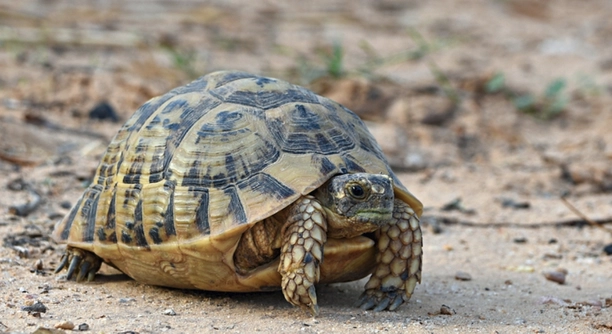
Creating a safe environment for your Greek tortoise is key to their well-being. One essential part of that environment is a secure and proper digging area. Ensuring your tortoise has this space is important for their natural behaviors and health.
The best way to create a safe digging area for a Greek tortoise is by setting up a space that mimics their natural habitat. The area should include a mixture of soft soil, safe boundaries, and proper moisture levels to promote healthy digging behaviors.
With the right approach, your tortoise will have a secure, enriching area to dig and explore.
Choosing the Right Location for the Digging Area
When selecting a spot for your Greek tortoise’s digging area, consider a place that is both safe and easy to maintain. It should be sheltered from harsh weather conditions like strong winds, direct sunlight, and heavy rainfall. A quiet, calm spot in your yard works well, allowing your tortoise to feel secure and explore without disturbances. Avoid areas that are too close to busy pathways or noisy spots that could stress them out.
The location must also be spacious enough for your tortoise to dig freely. Ensure that the soil doesn’t become overly compacted, as it can hinder their digging behavior. A comfortable temperature range is essential for your tortoise to thrive.
Remember, your tortoise needs an area that supports its natural instincts. The right location allows them to dig, hide, and explore with ease. Don’t forget to check if the location is safe from potential predators. A well-chosen spot will promote healthy and happy behaviors.
Selecting the Right Soil
The type of soil you use is critical to your tortoise’s digging area. Soil should be soft enough to allow them to dig but firm enough to hold its shape.
A mixture of sand and soil works best for Greek tortoises. This combination mimics their natural environment, giving them the freedom to burrow. Too much clay can make the soil too hard, while pure sand may not hold well. Add organic matter, like leaves or compost, for additional texture.
Soil moisture levels should be balanced—not too wet, but not overly dry either. The right moisture content encourages digging without turning into mud. If the soil is too wet, it can cause discomfort or health issues for your tortoise. Always monitor the soil to ensure it remains stable. Keep in mind that soil that is too damp can be just as problematic as dry soil.
Creating Boundaries
Boundaries are essential to keep your tortoise safe and prevent them from wandering off. Use a secure fence or edging that is tall enough to keep them in their designated digging area. The material should be safe, such as wood, stone, or sturdy plastic. Avoid sharp edges that could harm them.
The boundaries should be deep enough to prevent your tortoise from digging underneath. They may attempt to escape, so ensure the barrier is buried at least a few inches into the ground. This keeps them from finding weak spots. Consider a fence that’s tall and strong enough to withstand their digging efforts.
Additionally, ensure the boundary is secure from other animals that might be a threat to your tortoise. A proper setup allows your tortoise to dig freely without the worry of outside dangers or the risk of escaping.
Adding Hiding Spots
Tortoises enjoy having places to hide. Adding hiding spots in the digging area can make them feel more secure. Simple options include small boxes or partially buried logs that give them a space to retreat to. Natural materials work best.
Creating a hiding area also allows your tortoise to regulate its environment, finding shelter when they feel stressed or the temperature fluctuates. You can place them near the edges of the digging area for easy access. These hideaways should be large enough for your tortoise to comfortably fit inside but not too big that they feel exposed.
A good hiding spot will encourage your tortoise to dig, offering both safety and comfort. These small additions can make a big difference in creating a natural, secure environment for them to thrive in. They may also help reduce stress and improve your tortoise’s overall health.
Ensuring Proper Drainage
Good drainage is essential for maintaining the health of your tortoise’s digging area. If the soil doesn’t drain well, it can become soggy, causing health problems. You can improve drainage by mixing in sand or gravel, which allows excess water to flow through.
Check the soil regularly to ensure it’s not too wet. Adding a layer of rocks or pebbles underneath the soil can help water flow through, preventing it from pooling. This will also keep the digging area comfortable for your tortoise. A well-drained space is key for maintaining a healthy environment.
Maintaining the Area
Regular maintenance of the digging area is crucial. Clean up any debris or fallen leaves that may pile up and create a breeding ground for pests. Check for any signs of mold or fungus that could harm your tortoise’s health.
Inspect the soil for any compaction or uneven areas that could hinder your tortoise’s digging. Adding fresh soil or organic matter every few months can keep the space in good condition. If you notice any areas where the drainage is no longer working properly, address them quickly to avoid issues.
Temperature Control
Proper temperature regulation is important in the digging area. Greek tortoises prefer a warm environment, so ensure that the area gets enough sunlight. However, provide some shaded spots for them to cool down. A mix of warm and cool areas will help them regulate their body temperature.
FAQ
What kind of soil should I use for a Greek tortoise digging area?
The best soil for a Greek tortoise digging area is a mixture of sand and soil. This combination mimics their natural habitat and provides the right balance of softness for digging while being firm enough to maintain its shape. Avoid using clay-heavy soil as it can become too compact, making it hard for your tortoise to dig.
How deep should the digging area be?
The digging area should be deep enough to allow your tortoise to burrow comfortably. A depth of around 6 to 12 inches is usually sufficient, depending on the size of your tortoise. It’s important that the area is not too shallow, as tortoises need space to dig and feel secure. If you’re using a barrier, make sure it is also deep enough to prevent them from digging under.
Can I create a digging area indoors?
Yes, you can create a digging area indoors, though it may require more maintenance. Choose a large, secure enclosure and use the same soil mix of sand and soil. Make sure the area is well-drained, as indoor spaces tend to retain more moisture. Regularly check the soil for mold or fungal growth, which can occur more frequently in indoor environments.
How do I prevent the digging area from flooding during heavy rain?
To prevent flooding, ensure proper drainage in the digging area. This can be done by mixing sand or gravel into the soil to help excess water flow away. If you live in an area with heavy rainfall, consider slightly raising the area to allow water to flow off more easily. You can also add a drainage pipe if the area has consistent flooding issues.
What kind of boundary should I use for the digging area?
The boundary should be tall enough to keep your tortoise from escaping and secure enough to prevent predators from entering. Materials such as wood, stone, or plastic can work well, but make sure there are no sharp edges that could harm your tortoise. Also, bury the boundary a few inches into the ground to prevent your tortoise from digging under it.
How can I provide shade for my tortoise in the digging area?
Provide shaded spots by placing large rocks, logs, or other structures in the digging area. These can offer shelter and cooler areas for your tortoise to retreat to when needed. If you don’t have natural shade, consider using a simple tarp or shade cloth to block the sun and create a safe, shaded environment.
What temperature is ideal for a Greek tortoise’s digging area?
Greek tortoises prefer warm temperatures ranging between 75°F and 85°F (24°C to 29°C) during the day. They also need cooler areas to regulate their body temperature, so providing a range of temperatures within their digging space is important. Ensure that the area gets plenty of sunlight but also provide shaded spots where they can cool off.
Do I need to add hiding spots in the digging area?
Yes, hiding spots are essential for your tortoise’s well-being. These provide a place for them to retreat when they feel stressed or need privacy. Simple options include small wooden boxes or logs that they can easily hide under. Hiding spots offer security, which is important for their overall health and behavior.
How often should I clean the digging area?
Cleaning should be done regularly to maintain a healthy environment for your tortoise. Remove any debris or fallen leaves that could accumulate, as well as any waste. Inspect the soil for compacted areas, mold, or fungus, and replace any soiled material. Every few months, refresh the soil with new sand or organic matter to keep it fresh.
Is it okay if my tortoise doesn’t dig much?
It’s normal for some tortoises to dig more than others, but if your tortoise isn’t digging at all, it could be a sign that something isn’t quite right. Check the soil for proper moisture and texture. If it’s too dry, your tortoise might not be motivated to dig. Also, ensure there are plenty of hiding spots and that the area feels secure. Tortoises need both space and comfort to dig naturally.
Final Thoughts
Creating a safe and comfortable digging area for your Greek tortoise is essential for their well-being. This space not only allows them to engage in natural behaviors but also helps maintain their overall health. When choosing the right location, consider factors like temperature, sunlight, and safety from predators. A well-chosen area gives your tortoise the freedom to explore and dig without unnecessary stress or danger.
The soil you use plays a big role in your tortoise’s ability to dig and feel comfortable. A mixture of sand and soil is the best option as it mimics the natural environment of Greek tortoises. Make sure the soil has proper drainage and isn’t too compact or too wet. Keeping the soil in good condition by regularly checking for mold or fungus and adding organic matter will make sure your tortoise enjoys digging safely.
In addition to the soil and location, creating boundaries and adding hiding spots is equally important. The boundaries should keep your tortoise safe and secure while also preventing them from escaping. Providing shaded areas and hiding spots gives your tortoise places to retreat, offering both physical and emotional comfort. With proper care and regular maintenance, you can ensure that your tortoise’s digging area remains a safe and enriching space for them to enjoy for years to come.

Hello,
If you enjoy the content that we create, please consider saying a "Thank You!" by leaving a tip.
Every little bit helps us continue crafting quality advice that supports the health, happiness, and well-being of pets around the world, for pets of all shapes, sizes, and species.
We really appreciate the kindness and support that you show us!