
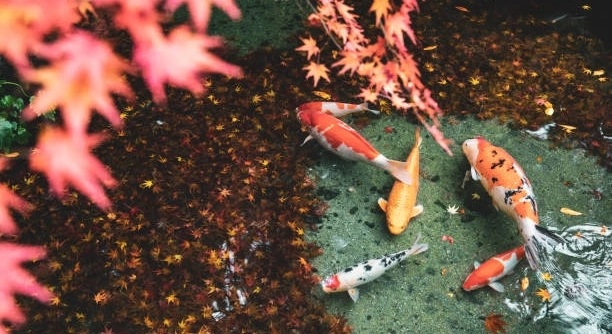
Do you ever find yourself wishing your koi pond looked more calm and welcoming but aren’t sure where to begin?
The key to creating a peaceful koi habitat lies in combining proper pond design, water quality management, and environmental enrichment. By following structured steps, you can build a balanced ecosystem that supports both the health and comfort of your koi.
From selecting the right plants to managing water flow, each element plays a role in shaping a safe and soothing space for your koi.
Step 1: Choose the Right Pond Location
The location of your pond affects your koi’s health and comfort more than you might expect. Pick a spot with partial shade, so your koi aren’t exposed to intense sunlight all day. Too much sun can raise water temperatures and encourage algae growth, which can stress your fish. Avoid placing your pond near large trees, since falling leaves can dirty the water and clog filters. A slightly elevated location can help prevent rainwater from washing contaminants into the pond. Consider ease of access too. You’ll want to check water levels, feed your koi, and maintain the setup without difficulty.
A quiet area with minimal foot traffic will help your koi feel secure and less stressed. Koi are sensitive to vibrations and noise, so peaceful surroundings matter.
Planning the location carefully helps set a strong foundation. It ensures fewer issues with water quality, temperature changes, and general pond maintenance over time.
Step 2: Install a Reliable Filtration System
Filtration is not optional—it’s essential for koi health. A good filter keeps the water clear and removes harmful waste.
Your filter should be the right size for your pond. Choose one that can handle the full water volume efficiently, with a bit of extra capacity. There are two main types: mechanical and biological. Mechanical filters remove solid waste, like uneaten food or leaves. Biological filters promote healthy bacteria that break down toxins like ammonia and nitrites. It’s best to use both types for balanced water quality. Clean your filter regularly but not too aggressively, especially the biological section. Over-cleaning it can remove the helpful bacteria. Some filters also come with a UV clarifier to help control algae. These can be useful if your pond gets a lot of sunlight. A reliable filtration system works continuously to support a stable, healthy habitat and should be running 24/7 for best results.
Step 3: Maintain Good Water Quality
Clean water is the most important part of your koi’s environment. Regular testing helps you keep track of ammonia, nitrites, nitrates, pH, and temperature. These need to stay within safe ranges to prevent illness and stress.
Ammonia and nitrites should always be at zero. Nitrates can be present but should stay low. Use water conditioners if you’re adding tap water, as chlorine can harm your koi. A pH level between 7.0 and 8.5 is best. Fluctuations should be avoided. You can use crushed coral or other stabilizers if your pH tends to shift too much. In warm weather, check temperature daily. High temperatures reduce oxygen levels, so you may need extra aeration. In colder months, avoid sudden temperature drops. A thermometer and test kit are good investments. Clean your pond regularly, but avoid overdoing it, as too much disturbance can remove helpful bacteria.
Stay consistent with your testing and maintenance schedule. Try to check water parameters weekly. When feeding, remove uneaten food to avoid buildup. Vacuuming the pond floor occasionally can help reduce sludge and debris. If the water gets cloudy or has a foul smell, check the filter and water chemistry immediately. Early action helps you avoid bigger problems later and keeps your koi safe.
Step 4: Add Aquatic Plants Thoughtfully
Aquatic plants can support water quality, provide shade, and make your pond feel more natural. They help absorb excess nutrients, reducing algae growth. Choose types that won’t overgrow or clog your filter.
Floating plants like water hyacinths or water lettuce offer shade and reduce sunlight exposure. Marginal plants such as pickerel rush or dwarf cattails grow along the pond edges and create a soft transition between water and land. Submerged plants like hornwort improve oxygen levels and give your koi places to explore. Avoid invasive species that spread quickly. Secure the plants so koi don’t uproot them. Use planting baskets or place rocks around the base. Keep the balance right—too many plants can reduce swimming space and oxygen at night. Trim back plants regularly to prevent overcrowding. When used properly, plants add beauty while supporting a healthier, more peaceful koi habitat.
Step 5: Provide Shade and Shelter
Shade helps control water temperature and keeps koi from getting stressed during hot days. Use floating plants, pergolas, or even shade cloths to block direct sun. This also reduces algae growth and helps your koi feel more secure.
Shelter gives koi a place to rest and hide when needed. Use smooth rocks, tunnels, or submerged pots to create safe spaces. Avoid anything with sharp edges.
Step 6: Keep Predators Away
Predators like birds, raccoons, and cats can stress or harm koi. Netting over the pond is one of the easiest ways to prevent attacks. Motion-activated sprinklers can also scare away unwanted visitors without harming them. If you use decoys like plastic herons, move them often or they lose effect. Adding deeper areas in your pond allows koi to swim down and hide when they sense danger. Use plants and shelters to give more cover. Always check for signs of disturbance near your pond. Keeping the area around it tidy can also reduce predator interest.
Step 7: Feed Koi Properly
Feed koi small amounts once or twice daily, using food made for their size and season. Remove leftovers to prevent water pollution.
FAQ
How often should I test my pond water?
Testing your pond water once a week is usually enough to keep track of key parameters like ammonia, nitrites, nitrates, pH, and temperature. If you notice any changes in your koi’s behavior or water clarity, test more often to catch problems early.
What is the ideal temperature for a koi pond?
Koi thrive in water temperatures between 59°F and 77°F (15°C to 25°C). Temperatures outside this range can stress your fish. During hot summers, provide shade and aeration. In winter, avoid sudden temperature drops to keep koi healthy.
Can koi live with other fish?
Yes, koi can live with other peaceful fish like goldfish. Avoid aggressive or fin-nipping species. Be sure the pond is large enough to support multiple fish and provide enough hiding spots and space to reduce stress.
How much should I feed my koi?
Feed small amounts once or twice a day, giving only what they can eat in about five minutes. Overfeeding pollutes the water and harms koi health. During colder months, koi eat less or stop eating altogether, so adjust feeding accordingly.
Why is my pond water cloudy?
Cloudy water often results from algae growth, excess waste, or improper filtration. Check your filter system and clean it if needed. Reduce feeding amounts and add aquatic plants to compete with algae for nutrients. A UV clarifier can also help clear the water.
How can I prevent algae growth?
Control algae by limiting sunlight exposure, using aquatic plants, and maintaining proper filtration. Avoid overfeeding and remove debris regularly. Algae thrive in nutrient-rich, warm water, so good water management keeps it in check.
Do koi need a heater in winter?
In colder climates, a pond heater or de-icer can prevent water from freezing completely. This helps maintain oxygen exchange at the surface. However, koi can survive cold temperatures if the pond is deep enough and oxygenated properly.
How do I introduce new koi to my pond?
Quarantine new koi in a separate tank for at least two weeks to check for diseases. Gradually acclimate them to your pond’s water temperature and chemistry before release. This protects your existing fish and helps new koi adjust smoothly.
What plants are safe for koi ponds?
Safe plants include water lilies, hornwort, anacharis, and water hyacinths. These provide shade and help maintain water quality without harming your koi. Avoid toxic plants or ones that might uproot easily.
Why do koi sometimes hide?
Koi hide when they feel threatened or stressed. This can happen due to predators, loud noises, or poor water quality. Providing shelters and a calm environment helps them feel safe and reduces hiding behavior.
How often should I clean the pond?
Regular cleaning is important but don’t overdo it. Remove debris weekly and clean filters monthly. Deep clean the pond once or twice a year, avoiding disturbing beneficial bacteria. Balance is key for a healthy koi habitat.
Can koi get sick from poor water conditions?
Yes, poor water quality leads to stress and diseases like fin rot, ich, or fungal infections. Maintaining clean water with balanced chemistry is essential to prevent illness and keep koi healthy and active.
What is the best way to aerate a koi pond?
Aeration can be done with air pumps, waterfalls, or fountains. These increase oxygen levels and improve water circulation. Proper aeration is crucial, especially during hot weather or when the pond is densely stocked.
How big should my pond be for koi?
A minimum of 1,000 gallons is recommended for a few koi, with at least 3 feet of depth. Larger ponds allow better temperature control and provide more swimming space, reducing stress and promoting growth.
How can I tell if my koi are healthy?
Healthy koi swim actively, have bright colors, clear eyes, and smooth scales. Watch for changes in behavior, appetite, or physical signs like sores or clamped fins. Early detection of problems makes treatment easier and more effective.
Creating a peaceful koi habitat takes time and care, but the effort is well worth it. By following the right steps, you can build an environment where your koi feel safe and healthy. From choosing a good location to keeping the water clean and balanced, every detail matters. It’s important to be patient and consistent, as koi ponds need ongoing attention to stay in good condition. Taking small actions regularly helps avoid bigger problems later on.
Water quality is the heart of any successful koi pond. Testing and maintaining the right balance of chemicals and temperature keeps your koi healthy and active. Using plants and a good filtration system supports this balance naturally. Providing shade and shelter also reduces stress for your fish. All these elements work together to create a calm and comfortable habitat. Paying attention to your pond’s needs and observing your koi closely will help you make adjustments as needed.
Lastly, enjoy the process of caring for your koi and their home. A well-maintained pond is not only a safe space for your fish but also a peaceful place for you to relax and watch your koi swim. Keeping your pond balanced takes work, but it also brings a sense of satisfaction. Watching your koi thrive in a clean, calm habitat reminds you that thoughtful care makes a big difference.

Hello,
If you enjoy the content that we create, please consider saying a "Thank You!" by leaving a tip.
Every little bit helps us continue crafting quality advice that supports the health, happiness, and well-being of pets around the world, for pets of all shapes, sizes, and species.
We really appreciate the kindness and support that you show us!