
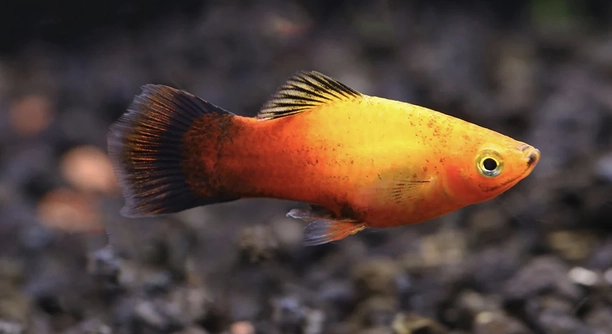
Platy fish are popular choices for home aquariums due to their vibrant colors and peaceful nature. Many aquarists seek easy-care setups to enjoy their beauty without constant upkeep. A low-maintenance tank can make fishkeeping more enjoyable and accessible.
Creating a low-maintenance platy tank involves careful selection of equipment, proper tank setup, regular but minimal maintenance, and stable water conditions. These steps reduce the need for frequent intervention while supporting the health and longevity of the fish.
Following these steps will simplify your care routine and help maintain a healthy environment for your platies to thrive. The process balances convenience with proper fishkeeping practices for long-term success.
Choosing the Right Tank Size and Setup
Selecting an appropriate tank size is essential for a low-maintenance platy tank. A 20-gallon tank is ideal because it offers enough space for platies to swim comfortably while keeping water conditions stable. Smaller tanks require more frequent water changes due to rapid fluctuations in water quality. Adding a tight-fitting lid helps reduce evaporation and prevents platies from jumping out. Use a substrate that is easy to clean, such as smooth gravel or sand. Incorporating live plants can improve water quality by absorbing nitrates and providing shelter, which reduces stress on the fish. Proper lighting should support plant growth but avoid excessive brightness, which can lead to algae problems. Position the tank away from direct sunlight and heat sources to maintain a consistent temperature, ideally between 70 and 78 degrees Fahrenheit. Setting up a reliable filtration system with gentle flow helps maintain clear water and removes waste efficiently.
Careful tank setup reduces daily maintenance needs and supports a healthier environment for platies. Starting with the right size and equipment makes a big difference.
Planning the tank setup thoughtfully lowers the risk of common problems like algae overgrowth and poor water quality. It also allows you to enjoy your platies’ colors and activity without constant cleaning. Keeping the environment stable means less stress for the fish, which helps prevent disease. Selecting live plants suited to your lighting and water conditions adds natural beauty and keeps the water balanced. The right filtration system maintains cleanliness without stressing the fish with strong currents. Maintaining a steady temperature is important since sudden changes can weaken platies’ immune systems. Overall, investing time in this early stage saves effort later and creates a peaceful, balanced home for your fish.
Selecting Compatible Tank Mates
Platies are peaceful fish that thrive best with other non-aggressive species. Avoid pairing them with large or aggressive fish that may bully or harm them. Good tank mates include guppies, mollies, and small peaceful tetras. Keep the tank population moderate to prevent overcrowding and maintain water quality. Overcrowding increases waste and raises stress levels among fish. Selecting compatible species ensures harmony and reduces the chances of aggressive behavior or territorial disputes. It also simplifies care by keeping feeding and water needs aligned across all inhabitants.
Choosing peaceful companions prevents stress and supports a stable community in your platy tank. A balanced mix makes the tank easier to manage overall.
Introducing compatible tank mates helps maintain a calm environment and reduces competition for food and space. Peaceful species share similar water and temperature preferences, which makes care simpler. When the fish coexist without conflict, they display more natural behavior and vibrant colors. Avoiding aggressive species lowers the risk of injury and disease spreading through stress. Keeping the number of fish appropriate for the tank size is also vital. This approach minimizes frequent water changes and limits ammonia buildup. By planning the community carefully, you create a balanced ecosystem that supports the health and happiness of all fish, making tank upkeep easier and more enjoyable.
Maintaining Water Quality
Regular water testing is crucial to keep your platy tank healthy. Test for ammonia, nitrite, nitrate, and pH levels weekly. Keeping these parameters stable reduces stress and illness in your fish.
Keeping water quality balanced is the foundation of a low-maintenance tank. Ammonia and nitrite should always read zero because they are toxic to fish. Nitrate levels should be kept below 20 ppm through partial water changes. The pH level for platies should stay between 7.0 and 8.2. Using a reliable test kit helps you monitor these parameters accurately. If levels rise outside the safe range, address the cause immediately by checking filtration, reducing feeding, or increasing water changes. Preventing water quality problems saves time and protects your fish’s health over the long term.
A stable environment supports your platies’ immune systems and reduces disease outbreaks. Maintaining water quality is easier with a good filtration system and regular partial water changes of about 20% every two weeks. Overfeeding can quickly degrade water quality, so feed only what platies consume within a few minutes. Clean the tank’s substrate during water changes to remove excess waste. Avoid harsh chemicals and sudden water parameter shifts, which can stress fish. By following these practices, you create a safer, low-maintenance habitat where your platies thrive naturally.
Feeding Your Platies Properly
Feeding your platies a balanced diet in moderation helps keep the tank clean and fish healthy. Overfeeding leads to waste buildup and water issues.
A mix of high-quality flake food, supplemented with occasional live or frozen foods like brine shrimp or bloodworms, meets platies’ nutritional needs. Feed small amounts once or twice daily, giving only what they finish in two to three minutes. This reduces leftover food that can decompose and pollute the tank. Varying their diet improves fish health and coloration. Avoid feeding human food or excessive treats, which may cause digestive problems. Proper feeding supports growth and vitality while keeping maintenance simple.
Consistent feeding habits help maintain stable water conditions and prevent common problems like algae blooms. Removing uneaten food quickly limits nutrient buildup that fuels algae growth. Overfeeding can also cause obesity and shorten platies’ lifespan. Watching how your fish eat allows you to adjust portions as needed. Healthy platies are more active and display brighter colors. Feeding properly is a small effort that results in a cleaner tank and stronger fish, making the care process more rewarding and less time-consuming.
Regular Cleaning Routine
A consistent cleaning schedule keeps the tank environment healthy and reduces maintenance effort. Partial water changes and substrate vacuuming are key tasks.
Changing 20% of the water every two weeks helps remove toxins and keeps water parameters stable. Vacuuming the gravel during water changes prevents waste buildup. Cleaning the glass and decorations removes algae and debris, improving tank appearance and fish health.
Monitoring Fish Health
Observing your platies daily helps catch health issues early. Look for changes in behavior, appetite, or appearance.
Promptly addressing illness or injury prevents outbreaks and keeps your tank balanced.
Controlling Algae Growth
Algae can quickly become a problem in platy tanks if unchecked. Manage lighting and nutrient levels to control its growth. Using live plants and avoiding overfeeding reduces excess nutrients that algae thrive on.
Equipment Maintenance
Regularly inspect and clean filters, heaters, and other equipment. Proper upkeep ensures consistent performance and prevents failures that could harm fish or water quality.
FAQ
How often should I change the water in my platy tank?
For a low-maintenance platy tank, it is best to perform partial water changes of about 20% every two weeks. This frequency helps keep water parameters stable by removing excess nitrates and other waste. Changing too much water too often can stress your fish and disrupt beneficial bacteria, so moderate, regular changes are the most effective approach.
What is the ideal water temperature for platies?
Platies thrive in water temperatures between 70 and 78 degrees Fahrenheit. Maintaining a consistent temperature within this range reduces stress and helps keep their immune systems strong. Sudden temperature fluctuations can weaken fish and increase the risk of disease. Use a reliable aquarium heater with a thermostat to keep the temperature steady.
Can platies live with other fish species?
Yes, platies are peaceful community fish that get along well with other small, non-aggressive species. Good tank mates include guppies, mollies, and small tetras. Avoid large or aggressive fish, as they may bully or harm your platies. Keeping compatible species together ensures a calm environment and simplifies tank care.
How much should I feed my platies?
Feed your platies small amounts of high-quality flake food once or twice daily. Offer only what they can eat in about two to three minutes to avoid leftover food that can pollute the tank. Supplement their diet occasionally with live or frozen foods like brine shrimp or bloodworms for better nutrition and color.
Why is my platy tank cloudy?
Cloudy water can result from several factors, including overfeeding, insufficient filtration, or new tank cycling. Excess food decomposes and increases waste, causing cloudiness. Make sure your filter is working properly and avoid overstocking the tank. Performing partial water changes and vacuuming the substrate regularly helps clear the water.
How do I control algae in my platy tank?
To keep algae growth in check, regulate lighting by avoiding direct sunlight and limiting artificial light to about 8-10 hours daily. Avoid overfeeding, as leftover food increases nutrients that algae feed on. Adding live plants can outcompete algae for nutrients and improve water quality naturally.
What signs indicate my platies are sick?
Look for unusual behavior like lethargy, loss of appetite, or hiding more than usual. Physical signs include faded colors, torn fins, white spots, or swelling. Early detection is key; quarantining sick fish and maintaining good water quality help prevent disease spread.
Is a filter necessary for a platy tank?
Yes, a filter is important to maintain water quality by removing waste and circulating oxygen. Choose a filter with gentle flow to avoid stressing your platies. Proper filtration reduces the need for frequent water changes and helps keep the tank environment stable.
Can I keep platies in a small tank?
While platies can survive in smaller tanks, a minimum of 20 gallons is recommended for a low-maintenance setup. Larger tanks maintain water parameters more consistently and provide enough space for fish to swim comfortably. Small tanks require more frequent maintenance and water testing.
How do I prevent platies from breeding too much?
Platies breed readily in home aquariums. To manage population, avoid keeping too many males and females together or separate sexes if necessary. Regularly removing fry from the tank also helps control numbers. Overpopulation can strain water quality and increase maintenance needs.
Final Thoughts
Creating a low-maintenance platy tank is achievable with the right planning and care. Choosing the correct tank size and setting up a stable environment reduces daily work and keeps your fish healthy. Paying attention to water quality, tank mates, and feeding habits prevents many common problems. This balanced approach makes caring for platies simpler and more enjoyable over time.
Consistent maintenance is key to a thriving platy tank. Regular partial water changes, cleaning the substrate, and monitoring water parameters help maintain a healthy habitat. Avoiding overfeeding and managing algae growth are also important to reduce extra work. Proper filtration and equipment upkeep support a stable environment where your fish can flourish with minimal intervention.
Overall, a low-maintenance platy tank requires some initial effort but pays off in ease of care and fish well-being. Understanding the needs of your platies and following a few basic steps can create a beautiful, peaceful aquarium. This allows you to enjoy your fish without feeling overwhelmed by constant upkeep, making fishkeeping a relaxing and rewarding experience.

Hello,
If you enjoy the content that we create, please consider saying a "Thank You!" by leaving a tip.
Every little bit helps us continue crafting quality advice that supports the health, happiness, and well-being of pets around the world, for pets of all shapes, sizes, and species.
We really appreciate the kindness and support that you show us!