
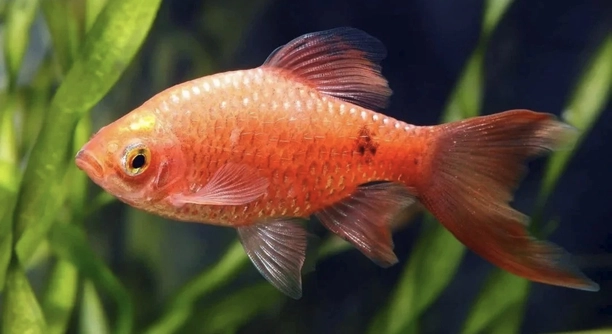
Setting up a community tank for Rosy Barbs can be a rewarding experience for any aquarist. These colorful fish thrive best in a well-maintained environment that suits their social nature and active behavior. Knowing how to build a healthy community tank is essential for their well-being.
Creating a successful Rosy Barb community tank involves careful planning of tank size, compatible species selection, proper filtration, balanced diet, regular maintenance, and monitoring water conditions to ensure the fish remain healthy and stress-free in a shared habitat.
This guide will help you create a vibrant and balanced tank where Rosy Barbs can flourish alongside other peaceful fish.
Choosing the Right Tank Size and Setup
A proper tank size is key when building a Rosy Barb community. These fish are active swimmers and need at least 30 gallons to thrive comfortably. Bigger tanks reduce aggression and allow more space for plants and decorations. Adding hiding spots like plants or rocks helps them feel secure and reduces stress. Choose a tank with a secure lid, as Rosy Barbs can jump. Use a substrate that supports plant growth if you plan on live plants. Proper lighting will keep plants healthy and bring out the fish’s vibrant colors. Keep the tank setup simple but natural, mimicking their preferred environment with open swimming areas and shaded spots.
Having enough space and a thoughtful layout ensures your Rosy Barbs can live actively and peacefully. This balance promotes their health and happiness in the tank.
A well-planned setup also helps maintain water quality and reduces conflicts between fish. When the tank is spacious and enriched, it supports the natural behavior of Rosy Barbs, making your aquarium more enjoyable to watch.
Selecting Compatible Tank Mates
When selecting tank mates, pick species that share similar water needs and temperament with Rosy Barbs. Avoid overly aggressive or very slow-moving fish, as they may stress or get bullied by the Barbs. Good companions include danios, tetras, and other peaceful schooling fish. Make sure tank mates are not too small to avoid becoming targets, and avoid fin-nipping species to protect the Barbs’ delicate fins. Compatibility is essential for a peaceful and balanced community tank. Choose fish that thrive in the same temperature and pH range to reduce health issues and aggression. Keeping a balanced mix creates a dynamic and calm environment where all species can coexist well.
Filtration and Water Quality
A good filtration system is essential to keep the water clean and healthy for Rosy Barbs. It helps remove waste and toxins that build up in the tank, which can harm the fish if left unchecked.
A filter with moderate flow works best, as Rosy Barbs prefer gently moving water. Mechanical and biological filtration combined will maintain water clarity and balance beneficial bacteria. Regular water testing is important to monitor ammonia, nitrite, and nitrate levels. Changing about 20% of the water weekly helps keep the tank environment stable. Using a heater to maintain temperatures between 74 and 78°F is ideal for these fish.
Maintaining proper water parameters reduces stress and disease risk for Rosy Barbs. A stable, clean environment supports their vibrant colors and active behavior, making your community tank a lively and healthy space.
Feeding and Nutrition
Rosy Barbs need a balanced diet that includes flakes, pellets, and live or frozen foods like brine shrimp or bloodworms. Feeding small amounts two to three times daily prevents overfeeding, which can pollute the tank.
Providing varied food improves their health and coloration. Supplementing with vegetables like blanched spinach or peas adds necessary fiber. Avoid feeding only one type of food, as it may cause nutritional deficiencies. Keep an eye on their eating habits to adjust portions and avoid leftover food. Proper feeding supports growth, energy, and immune function, helping your fish stay active and strong.
Regular Maintenance and Cleaning
Cleaning the tank regularly is important to keep the environment healthy for Rosy Barbs. Remove uneaten food and waste daily to prevent water contamination.
Perform partial water changes of about 20% every week to maintain water quality. Clean the filter monthly but avoid washing filter media with tap water to preserve beneficial bacteria.
Monitoring Fish Behavior and Health
Watch your Rosy Barbs for signs of illness or stress, such as changes in swimming patterns, loss of color, or reduced appetite. Early detection helps prevent serious problems. Keeping the tank stable and clean reduces the risk of disease and keeps your fish active.
Managing Aggression in Community Tanks
Rosy Barbs can sometimes be nippy or aggressive if stressed or overcrowded. Provide enough space and hiding places to reduce conflicts. Keep them in groups of at least six to spread aggression and keep peace within the tank.
Setting Up the Right Lighting
Adequate lighting supports plant growth and highlights the colors of your Rosy Barbs. Use a light timer to provide 8–10 hours of light daily, creating a natural day-night cycle for the fish and plants.
FAQ
How many Rosy Barbs should I keep together?
Rosy Barbs are schooling fish and do best in groups of at least six. Keeping fewer than six can cause stress and increased aggression. A group helps spread out any aggressive behavior and keeps the fish comfortable and active. More fish also create a livelier tank atmosphere.
What water temperature is best for Rosy Barbs?
The ideal temperature range is between 74°F and 78°F (23°C to 26°C). Temperatures outside this range can stress the fish or slow their metabolism. Using a reliable aquarium heater ensures consistent warmth, which supports their immune system and activity levels.
Are Rosy Barbs compatible with other fish?
Yes, but compatibility depends on the species chosen. Rosy Barbs do well with other peaceful, similarly sized fish that enjoy similar water conditions, like tetras and danios. Avoid slow-moving or long-finned fish, as Barbs may nip at fins, causing injury.
What kind of filter is best for a Rosy Barb tank?
A filter with moderate flow is best since Rosy Barbs prefer gently moving water. Combining mechanical and biological filtration keeps the water clean and maintains good bacteria. Regular filter maintenance is key to prevent harmful waste buildup.
How often should I feed my Rosy Barbs?
Feed small amounts two to three times daily to avoid overfeeding, which can pollute the water. Offer a mix of flakes, pellets, and occasional live or frozen foods to provide balanced nutrition and maintain their vibrant colors.
What are common health issues with Rosy Barbs?
Rosy Barbs may face fin rot, ich, or bacterial infections if stressed or kept in poor water conditions. Maintaining clean water, proper diet, and stable tank conditions helps prevent these issues. Quarantining new fish reduces disease risks.
How can I reduce aggression in my Rosy Barb tank?
Ensure the tank is spacious enough and stocked with at least six Rosy Barbs to disperse aggression. Adding plants and hiding spots allows shy fish to escape. Avoid overcrowding and incompatible tank mates, which can increase stress and fighting.
Is it necessary to provide live plants in a Rosy Barb tank?
Live plants are beneficial but not required. They offer hiding spots and improve water quality by absorbing nitrates. Choose hardy plants that can tolerate Barbs’ activity, like Java fern or Anubias, since Rosy Barbs may nibble on softer plants.
How often should I change the water?
Change about 20% of the tank water every week. Regular water changes remove toxins and replenish essential minerals, keeping the environment stable. Avoid large, infrequent water changes, which can shock the fish.
Can Rosy Barbs live in cold water tanks?
Rosy Barbs prefer warmer water but can tolerate cooler temperatures around 65°F (18°C) for short periods. Prolonged cold can weaken their immune system and reduce activity, so a stable, warmer environment is best for long-term health.
Creating and maintaining a Rosy Barb community tank requires attention to several important factors. From choosing the right tank size and setup to selecting compatible tank mates, each step plays a role in the fish’s overall health and happiness. Proper filtration and regular maintenance keep the water clean and stable, which reduces stress and disease risk for the fish. Feeding a balanced diet ensures Rosy Barbs get the nutrients they need to stay vibrant and active. Paying close attention to their behavior helps catch problems early before they become serious.
Keeping Rosy Barbs in a peaceful community tank depends on providing enough space and hiding places to reduce aggression. These fish are social and do best when kept in groups, so avoiding overcrowding is essential. Maintaining consistent water temperature and quality supports their immune system and natural behavior. Lighting should support both the fish and any live plants in the tank, creating a natural environment that highlights their colors. Regular cleaning and partial water changes help maintain good water conditions without disturbing the beneficial bacteria in the tank.
Overall, a successful Rosy Barb community tank is built on careful planning and ongoing care. While it takes some effort, the reward is a lively, colorful aquarium where these fish can thrive alongside their tank mates. Understanding their needs and adjusting care as needed helps create a balanced habitat that promotes health and reduces stress. This approach makes it easier to enjoy the beauty and activity of Rosy Barbs for a long time.

Hello,
If you enjoy the content that we create, please consider saying a "Thank You!" by leaving a tip.
Every little bit helps us continue crafting quality advice that supports the health, happiness, and well-being of pets around the world, for pets of all shapes, sizes, and species.
We really appreciate the kindness and support that you show us!