
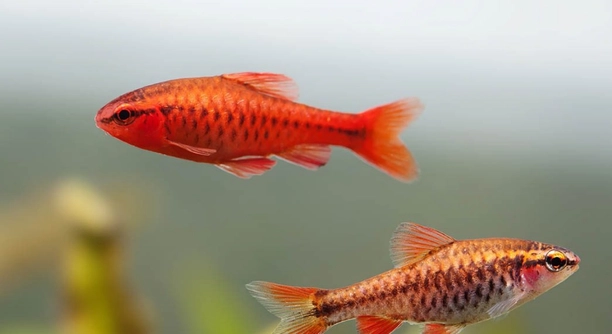
Do you ever find yourself wanting to care for Cherry Barbs but unsure if you’re giving them the right environment and attention?
The key to keeping Cherry Barbs happy and healthy lies in proper tank setup, consistent maintenance, a balanced diet, and understanding their social needs. Following these steps ensures their well-being and vibrant color.
By learning how to meet their specific needs, you’ll build a peaceful aquarium that allows your Cherry Barbs to thrive for years to come.
Step 1: Set Up the Right Tank Environment
Cherry Barbs need a well-planned tank to stay active and healthy. A minimum of 20 gallons is ideal for a small group, giving them enough space to swim and feel secure. Use a soft substrate, like sand or smooth gravel, to avoid harming their delicate undersides. Add live plants such as Java fern and Anubias for cover and oxygen. These fish enjoy hiding spots, so include driftwood or decorations with safe openings. Keep the water temperature between 74–80°F with a steady filter and gentle current. Regular lighting helps regulate their day-night cycle, and a secure lid is important because they can jump.
A stable environment helps Cherry Barbs feel calm and act naturally. It also reduces stress, which lowers the risk of illness.
Choosing the right setup in the beginning makes a big difference. With a planted and peaceful tank, your Cherry Barbs will show their best color and behavior over time.
Step 2: Keep the Water Clean
Clean water is essential for Cherry Barb health. These fish are sensitive to sudden changes in water quality and require consistent care to stay healthy.
Perform weekly water changes of about 25% to keep ammonia, nitrites, and nitrates in check. Use a gravel vacuum to remove uneaten food and waste from the substrate. Test water regularly with a freshwater test kit to monitor pH, ammonia, and nitrite levels. Cherry Barbs prefer a pH between 6.0 and 7.5. A reliable filter with biological, mechanical, and chemical media helps maintain clean water and supports beneficial bacteria. Avoid overfeeding, as excess food breaks down and pollutes the tank. Always treat tap water with a dechlorinator before adding it to the aquarium. A clean tank not only improves their health but also brings out their natural colors and behaviors. Keeping up with maintenance helps avoid stress and supports long-term well-being.
Step 3: Choose Compatible Tank Mates
Cherry Barbs are peaceful and do best with other calm fish. Avoid placing them with aggressive species that may nip at their fins or cause stress.
Good tank mates include Harlequin Rasboras, Corydoras Catfish, and small Tetras. These species are non-aggressive and thrive in similar water conditions. Keep Cherry Barbs in groups of at least six to help reduce stress and bring out their natural schooling behavior. They tend to be shy when kept alone or in small numbers. Avoid larger or territorial fish like Cichlids or Barbs known for fin-nipping. Watching them swim together in harmony creates a relaxing tank atmosphere. Choosing the right mix of species helps reduce conflict and ensures all fish get the space and safety they need. A calm community also makes daily care and feeding routines smoother.
When you carefully plan your tank mates, your Cherry Barbs will feel more secure and show brighter colors. Social harmony leads to healthier fish and fewer behavioral problems. A well-balanced tank also makes observing them more enjoyable. Seeing peaceful interactions and smooth swimming patterns means their needs are being met. With the right companions, they can thrive in a calm, shared space.
Step 4: Feed a Balanced Diet
Cherry Barbs need a diet with variety to stay healthy. Flake food can be the base, but it’s important to include live or frozen options like bloodworms and brine shrimp for protein.
Feed small portions two times a day, only what they can eat in a couple of minutes. This keeps the water clean and prevents overeating. Their diet should include a mix of protein and plant-based food. You can also offer blanched vegetables like spinach or zucchini now and then. Varying their food keeps them active and helps support strong color and immune health. Use high-quality food that lists real ingredients. Avoid low-grade pellets with fillers or artificial dyes. Feeding correctly also builds trust, making them more comfortable with your presence near the tank. Watch them during meals to check their appetite and behavior. Changes may indicate a problem before it becomes serious.
Step 5: Maintain a Calm Environment
Avoid sudden noises, strong vibrations, or tapping on the tank. These fish are sensitive and can become stressed easily if their surroundings feel unsafe.
Keep the tank in a low-traffic area where lights stay consistent. Sudden changes in brightness can cause panic and injury.
Step 6: Watch for Signs of Illness
Cherry Barbs are usually active and curious, so any changes in behavior might mean something is wrong. Look for signs like faded color, clamped fins, or swimming near the surface. Refusing food, hiding more than usual, or visible spots on their body may also signal illness. Early detection gives you the best chance to treat them effectively. Quarantine new fish before adding them to the main tank to avoid spreading disease. Keep up with water changes and tank cleaning, as poor water conditions are a common cause of stress-related illness. Using a reliable heater and thermometer helps avoid harmful temperature swings.
Step 7: Encourage Natural Behavior
Cherry Barbs enjoy swimming in small groups and exploring plants. Give them plenty of space and hiding spots so they can feel secure and act naturally.
FAQ
How many Cherry Barbs should I keep together?
Cherry Barbs are social fish and feel more secure in groups. It’s best to keep at least six together. A small group will help them feel comfortable, reduce stress, and encourage natural schooling behavior. In smaller groups, they may act shy or hesitant. Keeping them in a group ensures they feel more confident and show their true colors. Larger groups are even better if your tank space allows for it.
What size tank do Cherry Barbs need?
A minimum of a 20-gallon tank is recommended for a small group of Cherry Barbs. They need space to swim, explore, and establish territories. A larger tank can help create a more stable environment, reducing stress and promoting healthier behavior. If you plan to keep other species, consider a bigger tank to accommodate all fish comfortably. Cherry Barbs prefer a tank with plants and decorations to mimic their natural habitat. A tank this size allows you to properly maintain water conditions and gives the fish the room they need.
Do Cherry Barbs need a heater?
Yes, Cherry Barbs require a heater to maintain stable water temperatures between 74°F and 80°F. These fish are tropical and need warmth to stay active and healthy. Fluctuations in temperature can cause stress and make them more susceptible to illness. A heater will help keep the water within the right range, ensuring that your Cherry Barbs thrive. It’s important to also use a thermometer to monitor the water temperature regularly, as sudden drops or spikes can harm the fish.
Can Cherry Barbs live with other fish?
Cherry Barbs are peaceful and do well with other non-aggressive fish. They are best kept with small to medium-sized species like Tetras, Corydoras, or Rasboras. It’s important to avoid aggressive or territorial fish, like Cichlids or larger Barbs, as they may bully or stress the Cherry Barbs. Always research any species before adding them to the tank to ensure compatibility. Keeping Cherry Barbs with peaceful species creates a harmonious tank environment where all the fish can thrive.
How often should I feed my Cherry Barbs?
Cherry Barbs should be fed small amounts two to three times a day. They have small stomachs, so it’s best to give them only what they can eat in a few minutes to avoid overfeeding and water pollution. A balanced diet of high-quality flake food, along with occasional live or frozen treats, ensures they get the nutrients they need. Overfeeding can lead to water quality issues, so it’s important to be mindful of the amount of food given. A varied diet will help keep them healthy and vibrant.
What do Cherry Barbs eat?
Cherry Barbs are omnivores, so they eat a variety of foods. Flake food should be the base of their diet, but it’s important to supplement with protein-rich foods like live or frozen bloodworms, brine shrimp, or daphnia. They also enjoy plant matter, so you can offer blanched vegetables like spinach or zucchini. Providing a mix of plant and animal-based foods keeps them healthy and supports their vibrant color. Always ensure the food is of high quality to avoid fillers that don’t provide the necessary nutrients.
What are the signs of a healthy Cherry Barb?
Healthy Cherry Barbs are active, swim in schools, and have bright, vivid colors. Their fins should be fully extended, and they should interact with other fish. They are often curious, exploring their environment and foraging for food. Healthy Cherry Barbs also eat regularly and don’t show signs of distress, such as swimming erratically or hiding. Their gills should look clear and they should not have visible sores or unusual growths on their bodies. Regular observation is key to ensuring they are thriving.
How can I breed Cherry Barbs?
Breeding Cherry Barbs is possible with the right conditions. They need a separate breeding tank with soft, slightly acidic water and gentle filtration. The water temperature should be around 78°F, and the pH level should be between 6.0 and 7.0. To encourage breeding, you may need to provide a balanced diet and ensure the fish are well-fed. During breeding, males will display more vibrant colors to attract females. After spawning, remove the adults, as they may eat the eggs. The eggs will hatch in a few days, and the fry should be fed infusoria or liquid fry food until they are large enough to eat regular food.
Can Cherry Barbs jump out of the tank?
Yes, Cherry Barbs can jump, although it’s not common. They may jump if they feel stressed, threatened, or if the tank is overcrowded. To prevent this, make sure your tank has a secure lid or cover. Check the tank for any potential escape routes, such as small gaps around the top or filter. A well-maintained and peaceful environment will reduce the chances of jumping, as the fish will feel more secure. If you find a fish out of the tank, quickly return it to the water, but make sure to check for any injuries.
What is the lifespan of a Cherry Barb?
Cherry Barbs typically live for 3 to 5 years with proper care. Their lifespan can be affected by water quality, diet, and stress levels. Keeping the tank clean, feeding them a varied diet, and maintaining a stable environment will help extend their life. Regular observation and prompt attention to any health issues can also improve their chances of living a long and healthy life.
Final Thoughts
Cherry Barbs are a great choice for anyone looking to add colorful and peaceful fish to their aquarium. With the right care and attention, they can thrive in a well-maintained tank and live for several years. They are easy to care for compared to some other species, making them perfect for beginner aquarists. Their bright, vibrant colors and calm nature make them enjoyable to watch and interact with. Keeping Cherry Barbs in a community tank with compatible species only adds to the peaceful atmosphere of your aquarium.
One of the most important things to remember when caring for Cherry Barbs is maintaining a clean and stable environment. Regular water changes, keeping the tank temperature within the right range, and monitoring water quality are all key factors in their well-being. Stress is a major factor in their health, so it’s important to avoid overcrowding, sudden changes in the tank’s conditions, and aggressive tankmates. Cherry Barbs do best when they feel safe and secure, so a well-planned tank setup with plants and hiding spots is essential.
Feeding Cherry Barbs a balanced diet also plays a big role in their health and longevity. A mix of high-quality flake food, live or frozen treats, and occasional vegetables provides them with the nutrients they need to stay active and vibrant. Avoid overfeeding, as this can lead to water quality issues. By watching your fish carefully and responding to any signs of illness or stress early on, you can help ensure your Cherry Barbs live a long and happy life in your aquarium.

Hello,
If you enjoy the content that we create, please consider saying a "Thank You!" by leaving a tip.
Every little bit helps us continue crafting quality advice that supports the health, happiness, and well-being of pets around the world, for pets of all shapes, sizes, and species.
We really appreciate the kindness and support that you show us!