
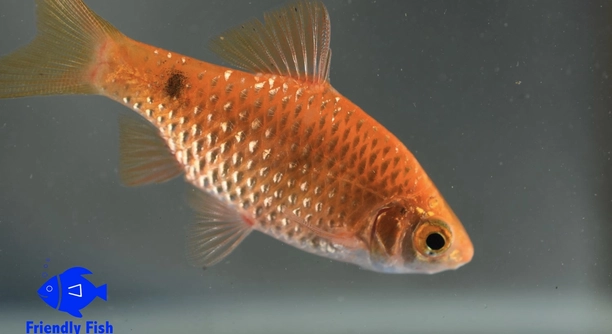
Do you ever find yourself unsure how to properly reset your rosy barb tank without stressing your fish or harming the setup?
A smooth rosy barb tank reset involves carefully transferring the fish, cleaning the substrate, replacing a portion of the water, and re-establishing essential bacteria. Each step is important to maintain stable water conditions and ensure fish health.
Following these seven steps can help your rosy barbs thrive while keeping the tank clean, balanced, and safe after each reset.
Step 1: Prepare a Temporary Home for Your Rosy Barbs
Before beginning the reset, set up a safe temporary space for your rosy barbs. Use a clean container with conditioned water that matches the temperature and pH of their main tank. Add a small sponge filter or air stone to keep the water oxygenated. Place the container in a quiet spot away from direct sunlight. If possible, include some tank water and decorations to keep the fish calm. Avoid overcrowding. Ensure this temporary setup is secure and covered to prevent jumping. This step helps reduce stress during the reset and gives you time to clean the main tank properly.
A stable holding space keeps your fish safe while you clean. It also helps prevent harmful changes in temperature or chemistry.
Use water from the tank they’re used to so there’s less chance of shock. Keeping it simple makes it easier to monitor their condition. Stay close and observe quietly.
Step 2: Unplug and Remove Equipment
Before touching anything in the tank, turn off all electrical components, including filters, heaters, and lights. Unplug everything to prevent accidents. Once powered down, carefully remove each item, rinsing them in tank water to keep the good bacteria alive. Avoid soap or strong cleaners. This is especially important for filters, where beneficial bacteria help with water quality. If parts have algae buildup or mineral deposits, use a clean brush or sponge. Place each cleaned item on a clean towel or tray. Do not leave them dry for too long to avoid killing beneficial bacteria.
Unplugging and gently removing your equipment is important to protect your fish and the bacteria that help the tank run well.
Taking time to rinse each part properly will help keep your filter system effective. If heaters or tubes show damage or wear, consider replacing them before setting everything back up. Letting gear sit too long outside water can dry out bacteria, so try to clean and reset the tank quickly. If the filter media looks too old or falling apart, replace only a portion of it. That way, you keep enough good bacteria to support a healthy environment once the tank is back together.
Step 3: Remove Water and Clean the Tank
Use a siphon or gravel vacuum to remove about 70–80% of the tank water. This helps preserve some beneficial bacteria. Be gentle to avoid disturbing the substrate too much or stressing any snails or live plants still in the tank.
Once the water is removed, scrub algae off the glass using a soft aquarium-safe sponge. Avoid using soap or chemicals. If you have decorations, gently clean them in old tank water to preserve helpful bacteria. Remove uneaten food or waste trapped in the gravel. For tanks with live plants, trim dead leaves and replant any loose stems. If your substrate is very dirty, clean part of it now and save the rest for the next reset. Over-cleaning can disrupt the tank’s balance.
Take your time while cleaning. Keep everything wet to preserve healthy bacteria. If you need to remove the substrate completely, rinse it in tank water, not tap water. This reduces shock later.
Step 4: Refill the Tank and Reinstall Equipment
Start slowly refilling the tank using dechlorinated water that matches the original temperature. This helps avoid shocking your rosy barbs. Pour the water gently to avoid disturbing the substrate and plants you’ve just cleaned.
Once the water is in, reinstall the heater, filter, and air pump. Don’t turn them on yet—allow the equipment to sit for about 15 minutes so it can adjust to the tank temperature. Plug in the heater first, giving it time to stabilize the water. Next, start the filter and pump. Watch closely to make sure everything runs smoothly. If you changed any parts, double-check connections and flow rates. If bubbles form, tap tubes gently to release trapped air.
This is also a good time to add a bacterial supplement, especially if you cleaned the filter or substrate more than usual. It helps speed up the cycling process and keeps the environment healthy for your fish once they return.
Step 5: Test the Water Parameters
Use a reliable aquarium test kit to check ammonia, nitrite, nitrate, and pH levels. Make sure everything falls within safe ranges for rosy barbs. Ammonia and nitrite should be zero; nitrate should be under 40 ppm.
If levels are off, wait before reintroducing your fish. Add a water conditioner or bacteria supplement as needed. Retest in a few hours or the next day. Stable water ensures a safer return for your rosy barbs and helps avoid health issues later.
Step 6: Reintroduce Your Rosy Barbs
Float the temporary container in the tank for 15–20 minutes to match temperatures. Slowly add small amounts of tank water into the container every few minutes. This helps your rosy barbs adjust to any slight changes in water chemistry. After about 30 minutes, gently net the fish and release them into the tank. Avoid pouring transport water into the tank. Observe your fish closely for the first hour to make sure they swim normally and show no signs of stress. Keep lighting dim at first, and avoid feeding for a few hours.
Step 7: Monitor and Maintain Regularly
Check on your rosy barbs over the next few days. Look for active swimming, clear eyes, and normal feeding. This helps catch any problems early and keeps your tank stable.
How often should I reset my rosy barb tank?
Resetting your rosy barb tank every 4 to 6 weeks is usually enough to keep the environment clean and healthy. This timing depends on how many fish you have, how often you feed them, and how much algae or waste builds up. More fish or frequent feeding may require more frequent resets. Regular maintenance, like partial water changes and cleaning decorations, can extend the time between full resets. Avoid resetting too often, as this can stress your fish and disrupt the beneficial bacteria.
Can I reset the tank without removing the fish?
It’s not recommended to reset the tank without temporarily moving the fish. Cleaning the tank fully requires removing equipment, substrate cleaning, and water changes that can disturb your rosy barbs. Keeping them in a separate container during the process reduces stress and protects them from sudden water changes or debris. If you only need to do small cleaning or water changes, the fish can stay in the tank. However, for a full reset, a temporary home is safer and better for their health.
What if my water parameters don’t stabilize after the reset?
If ammonia or nitrite levels remain high after the reset, don’t add your fish back right away. High toxic levels can harm them quickly. Use bacterial supplements to help restart the beneficial bacteria colonies. Perform small, frequent water changes with dechlorinated water to reduce toxins. Check that your filter is working properly and not clogged. Patience is key—stabilizing the tank can take a few days to a week depending on the conditions. Keep testing water daily until parameters return to safe levels.
How do I handle plants during a reset?
Live plants should be handled gently during a reset. Trim dead or decaying leaves to prevent waste buildup. When cleaning the tank, avoid rinsing plants in tap water; instead, use tank water to keep beneficial bacteria intact. If plants are uprooted, replant them securely in the substrate to avoid floating. Some slow-growing plants may need special care after a reset, so watch for signs of stress like yellowing leaves or wilting. Healthy plants contribute to tank stability by absorbing nitrates and providing shelter for rosy barbs.
Is it necessary to clean the filter media every reset?
Cleaning filter media every reset is not always necessary and can harm beneficial bacteria. If the filter media looks clogged or dirty, rinse it gently in tank water removed during the water change. Avoid using tap water because chlorine can kill bacteria. Replacing all the filter media at once can cause a spike in ammonia. Instead, replace only part of it gradually over several resets. Proper filter maintenance helps keep the tank’s nitrogen cycle intact, which is critical for fish health.
What should I feed my rosy barbs after a reset?
After resetting the tank, wait a few hours before feeding your rosy barbs to reduce stress. Start with small portions of high-quality flake or pellet food. Avoid overfeeding, as leftover food can pollute the water and affect recovery. Gradually return to their normal feeding schedule over the next few days. Including occasional live or frozen foods can improve their health. Monitor their appetite closely; reduced eating may indicate stress or water quality issues after the reset.
Can I use tap water for refilling the tank?
You can use tap water only if it is properly treated with a water conditioner to remove chlorine and chloramine. These chemicals are harmful to fish and beneficial bacteria. Always match the temperature of the new water to the tank’s water before adding it. Testing water parameters after refilling ensures safe conditions. If your tap water is hard or has high minerals, consider using filtered or bottled water for better control. Proper water preparation prevents shock and supports a healthy environment for your rosy barbs.
How do I know if my rosy barbs are stressed after a reset?
Signs of stress include rapid gill movement, hiding more than usual, loss of appetite, and erratic swimming. Rosy barbs may also display faded colors or cling to the bottom of the tank. Stress is common after a reset but should subside within a day or two. Keep lighting low, avoid sudden movements near the tank, and limit feeding initially. If symptoms persist beyond a few days, check water parameters again and consider consulting a fish care expert. Prompt action helps prevent illness and supports recovery.
Can I reset the tank if I have other fish species with rosy barbs?
Yes, but take extra care to ensure all species can tolerate the reset conditions. Some fish are more sensitive to water changes or cleaning procedures. Remove all fish to a suitable temporary home and monitor them closely after reintroduction. Be aware of any species-specific needs, such as temperature or pH preferences, when preparing the temporary tank. Performing resets carefully and systematically will minimize stress for all your fish and maintain a balanced community environment.
Is it normal for the tank water to cloud after a reset?
Cloudy water after a reset is common and usually caused by disturbed substrate or bacteria colonies adjusting. It should clear within a few hours to a couple of days. Avoid adding chemicals to clear the water quickly, as this can harm fish and bacteria. Regular water testing and partial water changes can speed recovery. Maintaining good filtration and avoiding overfeeding will help prevent repeated cloudiness. Patience and gentle care are key to restoring clarity safely.
Resetting a rosy barb tank can seem like a big task, but following the right steps makes the process much smoother and safer for your fish. Taking care to prepare a temporary home, cleaning the tank gently, and maintaining the right water conditions are all important parts of a successful reset. Each step helps keep the tank environment stable and reduces stress for your rosy barbs. Regular resets also help control algae, waste buildup, and water quality, which are essential for your fish’s health and happiness. By doing these tasks carefully, you create a balanced and comfortable home for your fish to thrive in.
It is also important to pay attention to your tank’s equipment during the reset. Cleaning filters properly and not over-cleaning the substrate ensures that beneficial bacteria remain active. These bacteria help break down harmful waste, which is necessary to keep the water safe for your fish. Using water conditioners and testing water parameters regularly after refilling the tank will support a healthy environment and prevent sudden changes in water chemistry. This steady approach helps avoid common problems like ammonia spikes or cloudy water, which can be harmful to rosy barbs. Taking the time to monitor your tank and fish after a reset will help you spot any issues early and fix them before they become serious.
Overall, resetting your rosy barb tank is a key part of good fishkeeping. It may take some effort, but it improves the tank’s cleanliness and water quality, which benefits your fish in the long run. Remember that being gentle and patient throughout the process is just as important as completing each step. With regular care and attention, your rosy barbs will remain healthy and active, making your aquarium a more enjoyable and peaceful place. This simple routine will keep your tank in top shape and your fish thriving for years to come.

Hello,
If you enjoy the content that we create, please consider saying a "Thank You!" by leaving a tip.
Every little bit helps us continue crafting quality advice that supports the health, happiness, and well-being of pets around the world, for pets of all shapes, sizes, and species.
We really appreciate the kindness and support that you show us!