
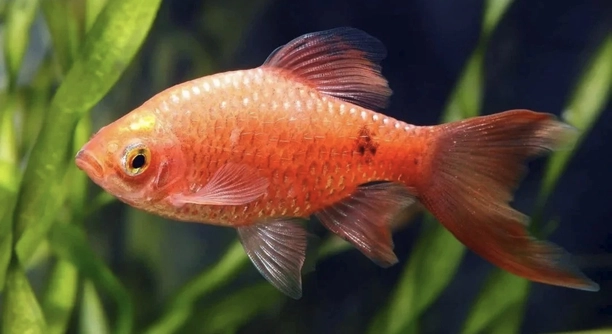
Do you ever find yourself watching your rosy barbs hover quietly and wonder where they go when it’s time to rest?
Rosy barbs rest in a variety of spots, including dense plant cover, shaded corners, near filter outflows, and occasionally in open midwater. These locations provide a sense of safety, reduce stress, and allow them to conserve energy.
These resting spots may seem ordinary, but they play an important role in keeping your rosy barbs calm and healthy in their aquarium environment.
Hiding Among Plants
Rosy barbs often choose thick plant areas as resting spots because they provide shade, cover, and a feeling of safety. Aquarium plants like Anubias, Java fern, and Hornwort are popular choices since their leaves are broad and soft. These plants help rosy barbs slow down, rest, and stay hidden from too much light or activity. When they feel safe, their colors remain bright, and their movements become calmer. It also reduces stress levels, which is important for their health. Fish that feel exposed or threatened may become skittish or even aggressive. Dense plants offer a natural environment that makes your fish feel more at home. While resting, rosy barbs stay still, either slightly hovering or resting their bellies near the leaves. If your aquarium has plenty of greenery, you’re more likely to notice your rosy barbs resting peacefully throughout the day, especially during quieter hours when lights are dim.
Resting within plant cover is one of the most calming behaviors rosy barbs display.
You can support this behavior by choosing a mix of floating and rooted plants. Floating plants help dim the lighting, while rooted plants provide structure. The goal is to create shaded areas where fish feel safe enough to pause and recover when needed.
Behind Decorations and Structures
Rosy barbs also rest behind rocks, driftwood, or aquarium decor with openings. These structures serve as barriers from water movement or bright lights, making them good places for short breaks.
Hiding behind structures offers both physical protection and visual comfort for rosy barbs. In a tank with several fish, some individuals might need quiet spaces to avoid conflict or recover from minor stress. Driftwood and rock caves give them the option to disappear without isolating themselves completely. Many owners notice that their fish will pause behind the same structure regularly, especially during low-activity times in the room. These areas simulate natural hiding spots found in streams or rivers, where fish take breaks in low-current zones. The cool, shaded feel of a rock or log helps regulate their behavior, keeping them relaxed. Offering multiple hiding spots ensures that no fish is left out, especially if you have a larger group of barbs sharing one tank.
Near Filter Outflows
Rosy barbs are often seen hovering near filter outflows where the current is steady but not too strong. These areas provide oxygen-rich water and create a calm space for short periods of rest without complete stillness.
The flow near a filter outflow mimics the gentle currents found in rivers, which rosy barbs naturally prefer. Resting in these spots allows them to stay suspended in the water with minimal effort. It also helps them breathe more easily because the water is well-oxygenated. While some fish avoid current, rosy barbs often embrace it in moderation. If your filter creates a soft, constant stream, your fish may gather there regularly. It’s important that the flow isn’t too intense. A strong current will force them to swim against it rather than rest. Using a sponge filter or adding plants around the outlet can soften the flow, creating a more ideal space for resting.
Monitoring their behavior near these areas can tell you a lot about their comfort levels. If they seem calm and steady, your filter flow is likely just right. If they struggle to stay in place, it may need adjusting. Look for slow tail movements and relaxed posture, which suggest they are resting and not being pushed around.
Midwater Floating
Rosy barbs sometimes rest midwater, hovering in place without moving too much. This usually happens when the tank is quiet, and the lighting is dim or soft. It’s a sign they feel secure and undisturbed.
Midwater resting is a natural behavior that indicates a calm and stable environment. Rosy barbs will space themselves out, floating gently without bumping into tankmates. They may stay still for several seconds or even a minute, showing relaxed fins and minimal body motion. This type of resting often occurs during early mornings or late evenings when the room is quiet. It’s important to keep noise and sudden movements around the tank to a minimum during these times. Gentle lighting, like a low-watt LED or natural light through a curtain, can support this calm behavior. If your barbs hover midwater peacefully, it means they trust their surroundings and don’t feel the need to hide.
Resting at the Bottom
Sometimes rosy barbs choose to rest at the bottom of the tank, especially after active swimming. They may settle near smooth gravel or beside low plants to stay still and conserve energy.
Bottom resting can also happen after feeding or when the lighting is low. It’s often brief but noticeable.
Inside Floating Plants
Floating plants like Water Lettuce and Duckweed create shaded areas near the surface where rosy barbs may hover to rest. These plants block strong lighting and offer soft cover, making the space feel calm and protected. Fish will often rise into these zones when the tank is quiet, especially at night or early morning. A still water surface helps them remain in place with very little movement. Floating plants are easy to manage and give your fish more vertical space to use. Adding a few can encourage your rosy barbs to rest more often and feel more secure overall.
In Tank Corners
Tank corners offer a break from movement and activity. Rosy barbs may pause there briefly, especially if the lighting is low or other fish are active.
Why do rosy barbs need resting spots?
Resting spots help rosy barbs reduce stress and conserve energy. These fish are active swimmers but require quiet places to pause and recover. Without proper resting areas, they may become agitated or lose their vibrant colors. Resting also supports their immune system and overall health, ensuring longer life and better behavior in the aquarium.
How can I tell if my rosy barbs are resting?
Resting rosy barbs slow their movements and often hover in one place. Their fins may spread gently, and their body position looks relaxed rather than tense. They are not hiding completely but seem calm and less responsive to sudden changes. If they rest near plants or decorations without darting away, it’s a good sign they feel secure.
Is it normal for rosy barbs to rest in open water?
Yes, resting in midwater is common when the environment is quiet and safe. Rosy barbs will float gently without swimming fast. This behavior shows trust in their surroundings. It often happens when lights are dim or during less busy times of the day.
Do rosy barbs rest more at night?
Rosy barbs don’t have a strict sleep cycle but rest more when it’s dark or quiet. They may slow down and become less active during night hours, though they don’t fully sleep like mammals. Providing a consistent day-night lighting schedule helps support their natural resting patterns.
Can rosy barbs rest on the substrate without harm?
Resting briefly on smooth substrate is safe, but rough or sharp gravel can harm their delicate fins and skin. It’s best to have soft, rounded gravel or sand in their tank to protect them during these moments.
What role do plants play in rosy barbs’ resting habits?
Plants provide shade, shelter, and a feeling of security. They reduce light intensity and break up the view, making fish feel hidden and less exposed. Floating and rooted plants create different layers for resting, encouraging natural behavior and reducing stress.
Should I worry if my rosy barbs rest too much?
Excessive resting can indicate poor water quality, illness, or stress. If your fish are lethargic and not responding to feeding or tank activity, test the water and observe for signs of disease. Healthy rosy barbs rest regularly but remain active throughout the day.
How can I improve resting spots in my tank?
Add a variety of plants, both floating and rooted, to create shaded areas. Include decorations with hiding spaces and ensure gentle water flow near resting spots. Use soft substrate and maintain stable water conditions to make your fish feel safe.
Do rosy barbs prefer certain resting spots over others?
Preferences vary by individual and tank setup. Some favor dense plants, while others rest near outflows or behind decorations. Providing multiple options helps all fish find their preferred resting place.
Can tank size affect where rosy barbs rest?
Yes, larger tanks offer more choices and space for resting. Smaller tanks may limit resting spots, causing stress. Ensuring enough space and proper décor supports healthy resting habits regardless of tank size.
Rosy barbs need safe and comfortable places to rest within their aquarium. These resting spots are important for their well-being. Without proper resting areas, rosy barbs can become stressed, which may affect their health and behavior. By providing a variety of hiding places and calm zones, you help your fish feel secure and relaxed. This encourages natural resting habits and helps maintain their bright colors and energy levels.
Different types of resting spots serve different purposes. Plants, both floating and rooted, offer shade and cover, making rosy barbs feel hidden and calm. Decorations like rocks and driftwood create sheltered areas where fish can pause without being disturbed. Even areas near filter outflows can provide a gentle current and oxygen-rich water that helps them rest without having to swim hard. Understanding these preferences allows you to set up your aquarium in a way that supports your rosy barbs’ natural behaviors.
Maintaining good water quality and a stable environment is just as important as providing resting spots. Rosy barbs will only feel safe enough to rest if the tank conditions are right. Regular water changes, proper filtration, and balanced lighting all play a role in creating a healthy habitat. Observing where and how your rosy barbs rest can also give you clues about their comfort and well-being. Paying attention to their resting habits helps you notice any changes in behavior early, which can be important for preventing health problems. Overall, giving your rosy barbs the right resting spaces and environment will keep them calm, healthy, and happy in your aquarium.

Hello,
If you enjoy the content that we create, please consider saying a "Thank You!" by leaving a tip.
Every little bit helps us continue crafting quality advice that supports the health, happiness, and well-being of pets around the world, for pets of all shapes, sizes, and species.
We really appreciate the kindness and support that you show us!