
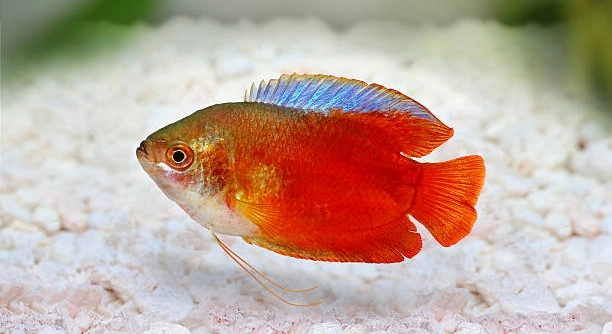
Subtle noises in and around an aquarium can influence a gouramis comfort and behavior, even when conditions seem stable, calm, and clean, affecting daily activity, feeding patterns, and overall wellbeing within the tank environment gently.
Certain sounds disturb gouramis by creating stress through vibrations and pressure changes, commonly originating from filters, air pumps, loud equipment, or nearby activity, which can disrupt sensory perception, elevate cortisol levels, suppress appetite, and weaken immune responses over time significantly.
Recognizing these disruptive sounds helps explain behavioral changes and guides practical adjustments that restore comfort, stability, and long term harmony.
Filter and Pump Noise
Constant humming from filters and pumps is one of the most common sound related stressors for gouramis. I noticed my fish becoming less active when equipment vibrated against the glass. These sounds travel through water more intensely than air, creating ongoing pressure that gouramis cannot escape. Over time, this exposure may lead to hiding behavior, reduced feeding, and slower movement. Internal motors that are unbalanced or dirty often amplify this issue. When filters rest unevenly, vibrations transfer directly into the tank structure. Gouramis rely on calm water conditions, and mechanical noise interferes with that balance. Regular maintenance, proper placement, and choosing quiet rated equipment can significantly reduce this form of disturbance. Even small adjustments can create a noticeably calmer aquarium environment for sensitive fish. This improvement supports natural behavior, steadier breathing patterns, improved coloration, and a stronger sense of security throughout daily routines within the enclosed aquarium space consistently always.
Loud or poorly fitted equipment often produces irregular vibrations that gouramis interpret as constant disturbance. When I corrected alignment and replaced worn parts, swimming patterns normalized, feeding improved, and stress signs such as fin clamping became less frequent over time. This change reinforced the importance of sound control inside tanks.
Maintaining quiet equipment begins with consistent care rather than expensive upgrades. Cleaning impellers, securing hoses, and ensuring level placement reduce excess vibration. I found that soft padding beneath external components also dampens transmitted noise. Choosing filters designed for low output sound further supports gourami comfort. Positioning the aquarium away from speakers, televisions, and heavy foot traffic limits external interference. These steps work together to create a stable sound profile. When noise is controlled, gouramis display calmer movement, improved appetite, and stronger interaction with their surroundings, reflecting a healthier and more predictable living environment overall for long term household aquarium stability.
Environmental and Household Sounds
Everyday household sounds can be just as disruptive as tank equipment. Footsteps, closing doors, and nearby appliances send vibrations through floors and stands. I observed increased startle responses when the aquarium was placed near busy areas, showing how external noise easily affects gourami behavior within confined indoor aquatic settings spaces.
Sound management extends beyond the tank itself and requires awareness of the surrounding environment. Gouramis possess sensitive hearing structures that detect low frequency vibrations, making constant background noise difficult to ignore. I learned that placing the aquarium on a solid, level stand reduced resonance from movement in the room. Avoiding placement near washing machines, heaters, or entertainment systems further limited stress exposure. Soft surfaces like rugs and curtains help absorb sound that would otherwise reflect toward the tank. Even lighting fixtures and cabinet doors can contribute to repeated disturbances if used frequently nearby. Establishing a quiet zone around the aquarium promotes consistent conditions throughout the day. Over time, this stability supports stronger feeding responses, balanced social behavior, and improved coloration. A calmer acoustic environment allows gouramis to conserve energy for growth and immune function. Small changes in room layout and daily habits can make a measurable difference in long term fish health and comfort. I found that maintaining predictable routines also reduced sudden noise spikes, helping fish remain settled during maintenance, feeding, and observation periods, while reinforcing a sense of safety that supports overall aquarium stability for sensitive species kept in shared living spaces with ongoing household activity present daily.
Air Stone and Bubbler Sounds
Air stones and bubblers create constant popping and vibration that can overwhelm gouramis. I noticed increased surface avoidance when bubbles were aggressive. Rapid air release sends pressure waves through water, interrupting rest periods and making calm zones harder to maintain inside smaller tanks for sensitive fish during daily feeding periods.
Strong air output often results from oversized pumps or blocked valves. I reduced noise by lowering airflow and spacing air stones farther apart. Gouramis prefer gentle movement, not constant turbulence. Excess bubbles increase surface agitation, disrupt labyrinth breathing, and raise stress levels. Using fine pore stones produces softer sound patterns. Regular cleaning prevents uneven airflow bursts. Placing a control valve on airline tubing allows precise adjustment. Once airflow was moderated, my gouramis swam more evenly, rested mid water, and displayed steadier coloration throughout the day. This adjustment supported calmer feeding and improved long term tank stability for sensitive species kept.
Placement of air equipment also affects sound intensity. When air pumps sit directly on hard surfaces, vibrations amplify. I placed mine on foam padding and inside a cabinet with ventilation. This reduced both audible noise and water vibration. Shortening airline length prevented rattling. Avoiding sharp bends improved consistent flow. Gouramis benefit from predictable conditions. When bubbling remained steady and quiet, feeding responses normalized and hiding decreased. Balanced aeration supports oxygen exchange without overwhelming sensitive sensory systems, allowing gouramis to remain calm and active over extended periods within enclosed aquariums with limited escape from disturbance and constant environmental exposure daily patterns.
Vibrations From Tank Accessories
Loose lids, glass tops, and decorative items can create sharp clicking sounds. I noticed this during feeding when covers shifted slightly. These sudden noises startle gouramis more than steady hums. Securing lids and stabilizing decorations reduced abrupt vibrations and improved overall tank calmness. Small movements transfer quickly through glass and water, increasing stress responses during otherwise routine daily maintenance activities especially in compact aquariums with minimal sound buffering and thin supporting stands beneath the tank.
Accessories attached to the aquarium often go unnoticed as noise sources. Thermometer probes, heater guards, and magnetic cleaners may vibrate against glass. I found that even slight contact created repetitive tapping amplified underwater. Securing items with suction cups minimized movement. Spacing decorations away from walls prevented resonance. Gouramis react strongly to irregular sounds, associating them with danger. Reducing accessory movement created a more predictable environment. Stable surroundings encouraged open swimming and reduced sudden darting. Over time, consistent sound control supported healthier feeding behavior and less surface avoidance. Attention to these small details made a visible difference in daily fish comfort. This approach required no major changes, only careful observation and routine adjustments during maintenance sessions to limit stress accumulation over time within closed aquatic systems.
Television and Speaker Noise
Nearby televisions, speakers, and computers produce low frequency sounds that travel easily through aquarium glass. I noticed tension when volume increased. These vibrations feel constant underwater and may interfere with gourami rest, feeding focus, and natural swimming patterns throughout the day, especially in shared living spaces with daily activity present.
Placing the tank away from entertainment centers reduced visible stress. I lowered background volume and avoided sudden sound spikes. Soft furnishings absorbed noise. These adjustments helped gouramis remain calm, show consistent appetite, and move confidently without frequent startle responses during normal household routines and daily activity patterns overall stability indoors.
Outdoor and Structural Noise
Construction, traffic, and outdoor machinery create deep vibrations that penetrate walls and floors. I noticed gouramis retreating when road work started nearby. These sounds arrive unpredictably and feel threatening underwater. Moving the aquarium away from windows helped. Thicker stands reduced vibration transfer. Closing windows during peak noise limited impact. Gouramis exposed to repeated external vibration may show hiding, rapid breathing, or reduced feeding. Managing placement and timing of maintenance around noisy periods supported steadier behavior. Creating distance from external sources helped maintain calm conditions within indoor environments where control options remain limited but practical adjustments still matter greatly over time.
Stand and Surface Vibrations
Metal stands, thin shelves, or unstable flooring can amplify sound. I replaced a hollow stand with solid support. Vibrations decreased immediately. A stable base limits resonance, protects glass seams, and provides gouramis with a quieter, more predictable environment for resting and daily movement within the aquarium setup long term stability.
What sounds are most likely bothering my gourami?
Gouramis are sensitive to low frequency vibrations and sudden, irregular noises. Common sources include filter and pump hums, air stones, bubbling, and loose decorations that click or rattle. Household sounds like televisions, speakers, footsteps, or even closing doors can also disturb them. Outdoor noises such as construction, traffic, or machinery may reach the tank as deep vibrations. Even subtle resonances from metal stands, thin shelves, or uneven floors amplify sound. I noticed my gouramis hiding or swimming nervously during sudden or repetitive sounds. Recognizing these sources helps reduce stress and promotes healthier behavior, better feeding, and consistent daily activity patterns. Adjusting placement, damping vibration, and moderating equipment output can significantly improve comfort over time.
How can I reduce filter and pump noise for my gourami?
Filter and pump noise often comes from vibrations traveling through glass or stand surfaces. I found that leveling the equipment, securing hoses, and cleaning impellers regularly minimized irregular humming. Using foam padding under external units reduced transmitted vibrations. Pumps and filters rated for quiet operation help maintain a stable sound environment. Placement matters: keeping equipment away from high traffic areas and softening contact points with padding limits stress. Lowering flow slightly or adjusting the tubing to prevent rattling also contributes. When these adjustments were made, my gouramis became more active, fed steadily, and rested calmly mid water without constantly hiding or darting around. Regular monitoring ensures vibrations remain minimal over time.
Do air stones or bubblers stress gouramis?
Yes, aggressive bubbling and rapid air release can overwhelm gouramis. I noticed they avoided the surface when air output was too strong. Large bubbles create pressure waves that disturb breathing and movement. Fine pore air stones or reduced airflow creates gentler circulation, helping maintain calm. Adjusting valve controls to moderate output improved behavior. Placing stones further apart or lowering airline length reduces vibrations. Soft padding under air pumps further dampens transmitted noise. When bubbling became steady and subtle, gouramis swam evenly, rested more often, and fed consistently. Predictable aeration is important, as excessive turbulence raises stress levels and can negatively affect long term health.
Can household noise really affect my gouramis?
Absolutely. Footsteps, talking, closing doors, and appliances produce low frequency vibrations that gouramis detect underwater. I observed increased darting and hiding when the aquarium was near active areas. Moving the tank to quieter zones or adding soft furnishings helped absorb sound. Thick rugs, curtains, and careful placement away from speakers and televisions reduced stress. Gouramis became more confident, spent more time mid water, and showed stronger appetite when background noise was minimized. Establishing a calmer household environment around the tank makes a noticeable difference over time, even in rooms with daily activity or intermittent loud sounds.
What about outdoor and structural noises?
Construction, traffic, and nearby machinery can transmit deep vibrations into the aquarium. My gouramis retreated when loud machinery operated nearby. Positioning the tank away from windows or external walls, closing windows during peak noise, and using solid stands reduced these effects. Even minor vibrations from hollow floors or thin shelving can amplify sound. Solid, stable support dampens resonance and provides a quieter environment. I noticed calmer swimming, more consistent feeding, and less startle response once structural vibrations were minimized. Regular assessment of tank placement and surrounding surfaces helps maintain stable conditions despite external noise sources.
How can I check if accessories are adding stress?
Decorations, lids, and thermometer probes can produce clicking or rattling sounds when they shift. I secured loose items with suction cups and adjusted spacing to prevent contact with glass walls. Magnetic cleaners and heater guards may also vibrate slightly; careful placement reduces repetitive sounds. Gouramis respond strongly to irregular noises, so minimizing movement encourages open swimming, steady feeding, and calmer behavior. Over time, attention to these details significantly improves daily comfort and long term wellbeing.
Are there general tips to maintain a quiet environment?
Yes, a combination of placement, equipment choice, and padding helps. Level stands, foam under pumps, quieter filters, and adjusted air output reduce vibrations. Keeping the tank away from windows, doors, and high traffic areas limits disturbances. Soft furnishings absorb background noise, and regular equipment maintenance prevents sudden sounds. Consistent monitoring and small adjustments make a big difference in gourami comfort and overall behavior.
Gouramis are delicate fish that respond strongly to their environment, especially to sounds and vibrations. Even noises that seem minor to us can feel overwhelming underwater. Over time, repeated exposure to mechanical hums, bubbling, or household vibrations can cause stress, hiding behavior, and reduced feeding. I noticed that when my tank was in a noisy area or when equipment produced uneven vibrations, my gouramis appeared restless and less active. This demonstrated how sensitive they are to their surroundings. Simple adjustments, such as changing tank placement, stabilizing equipment, or reducing air stone output, can make a noticeable difference in their comfort. Creating a stable, calm environment allows gouramis to move freely, feed regularly, and display natural behavior without constant interruptions from sounds they cannot control.
Maintaining a quiet aquarium environment requires attention to both internal and external factors. Filters, pumps, air stones, and decorations can all transmit vibrations through the water if not properly secured or maintained. I found that checking equipment regularly, cleaning impellers, leveling stands, and using foam padding helped reduce unwanted noise. Even minor household sounds, like doors closing, footsteps, or appliances, can affect gouramis if the tank is positioned near them. Managing these external noises by moving the tank to a quieter area or using rugs and curtains to absorb sound also proved effective. By combining equipment adjustments with careful consideration of surroundings, it is possible to significantly reduce stress and improve overall wellbeing for gouramis. Over time, calmer conditions allow fish to establish regular feeding schedules, maintain stronger coloration, and move confidently without the interruptions that stress often causes.
Understanding how sound affects gouramis is important for long-term care and overall health. Stress caused by vibrations can weaken their immune system, reduce appetite, and alter behavior, but it can often be prevented with thoughtful adjustments. I learned that small, consistent changes, such as moderating bubble output, securing lids and decorations, and monitoring household noise levels, produced positive results. Solid stands and careful tank placement also reduced resonance and vibrations from external sources. Creating a calm environment doesn’t require expensive equipment, only attention to detail and awareness of how fish perceive their surroundings. When these strategies are applied, gouramis thrive in a quieter, more predictable space, allowing them to swim freely, feed regularly, and display their natural behaviors, ultimately supporting long-term health and comfort.

Hello,
If you enjoy the content that we create, please consider saying a "Thank You!" by leaving a tip.
Every little bit helps us continue crafting quality advice that supports the health, happiness, and well-being of pets around the world, for pets of all shapes, sizes, and species.
We really appreciate the kindness and support that you show us!