
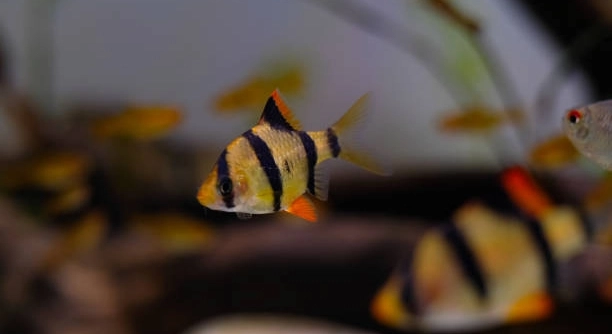
Tiger barbs are popular freshwater fish known for their vibrant colors and active behavior. Many keepers enjoy watching them swim and interact in home aquariums. However, certain sounds in their environment can affect their well-being.
Certain noises such as loud bangs, tapping on the tank, household appliances, and sudden high-pitched sounds can cause stress in tiger barbs. These fish are sensitive to vibrations and unexpected sounds, which may lead to erratic swimming, hiding, or weakened immune response.
Recognizing these stressors helps improve their care and creates a calmer aquarium environment. Understanding the impact of sounds is essential for tiger barb health and happiness.
Loud Bangs and Sudden Noises
Loud bangs or sudden noises near the aquarium can startle tiger barbs quickly. These fish have a keen sensitivity to sharp sounds, which can make them dart around frantically. This reaction is a natural defense mechanism against potential threats. In a home environment, sounds like dropping objects, slamming doors, or loud voices can trigger this stress response. Repeated exposure to such noises can increase anxiety levels in tiger barbs and impact their overall health. Keeping the aquarium in a quieter part of the house or adding sound insulation nearby can reduce these disturbances. Creating a stable and calm environment supports their well-being.
Frequent sudden noises cause noticeable stress behaviors such as hiding, erratic swimming, and loss of appetite.
Minimizing loud noises around the tank helps maintain a peaceful atmosphere, allowing tiger barbs to swim calmly and feel secure in their habitat. Careful placement of the tank and household noise management contribute significantly to their comfort.
Tapping on the Aquarium Glass
Tapping on the aquarium glass is a common habit for some owners but can be very stressful for tiger barbs. This repeated noise creates vibrations that disturb their environment and may cause them to become frightened or defensive. Even light tapping can be misinterpreted as a threat by the fish. Over time, this can lead to chronic stress, which negatively affects their immune system and lifespan. It is best to avoid tapping and to use other methods, like feeding or gently interacting, to engage with your fish. Respecting their sensitivity helps build a healthier tank environment and promotes natural behavior.
Avoid tapping to keep your tiger barbs relaxed and healthy.
Instead of tapping, observe your fish quietly or interact through calm movements near the tank. This encourages natural activity without stress. Maintaining a gentle environment shows consideration for their well-being and supports their long-term health. Creating a stable and undisturbed space allows tiger barbs to thrive peacefully.
Household Appliances
Household appliances like vacuum cleaners, blenders, and washing machines produce constant noise and vibrations that can unsettle tiger barbs. These sounds often carry through walls and floors, affecting the tank environment. Prolonged exposure can increase stress in your fish, impacting their behavior and health.
Many common appliances create low-frequency sounds and vibrations that are strong enough to disturb aquarium life. Tiger barbs rely on a calm and stable environment to feel secure. When these noises persist, they may hide more often or show signs of fatigue. Positioning the tank away from rooms with frequent appliance use can reduce exposure. Adding soundproofing materials near the aquarium can also help lessen vibrations and noise transmission. Keeping these factors in mind allows your fish to experience less stress from household noises.
Controlling the noise from household appliances supports better health and longevity for tiger barbs. Simple adjustments in tank placement and environment can make a significant difference.
High-Pitched Sounds
High-pitched sounds such as alarms, electronic devices, or certain music frequencies can disturb tiger barbs. Their hearing range is sensitive to these tones, which may cause discomfort or agitation. Consistent exposure can lead to heightened stress and unusual behavior.
These high-pitched noises can be difficult to avoid in modern homes but understanding their effect on your fish is important. Devices like smoke alarms, phone notifications, or electronic toys often emit frequencies that tiger barbs detect as threatening. Prolonged exposure may disrupt their normal swimming patterns and feeding habits. Reducing these sounds near the aquarium or using quieter device settings helps maintain a peaceful environment. Being mindful of the soundscape around the tank contributes to a healthier habitat and reduces stress-induced illnesses in your fish. Monitoring how your fish respond to these noises ensures timely adjustments to their environment, improving their comfort and well-being.
Voices and Loud Conversations
Voices raised near the aquarium can stress tiger barbs. Sudden loud talking or shouting may cause them to swim nervously or hide.
Even normal conversation volume, if constant and close, can create enough disturbance to affect their comfort. Keeping noise low around the tank helps maintain calm.
Water Filter Noise
A noisy or poorly maintained water filter produces constant background sound and vibrations. This noise can unsettle tiger barbs and contribute to stress over time.
Regular cleaning and choosing quieter filters reduce noise levels, promoting a peaceful environment for your fish.
Construction and Renovation Sounds
Construction work near the home produces loud, irregular noises and vibrations. These disturbances can alarm tiger barbs and disrupt their normal behavior patterns.
Minimizing tank exposure during such periods or temporarily relocating the aquarium can help protect your fish from stress.
What noises are most stressful for tiger barbs?
Tiger barbs are especially sensitive to sudden loud bangs, tapping on the glass, household appliance sounds, high-pitched noises, loud conversations, and construction sounds. These noises create vibrations or sharp changes in their environment, which they interpret as threats. Stress from these sounds can cause erratic swimming, hiding, or even illness. Being aware of these common sounds helps in reducing their impact and keeping the fish calm.
How can I reduce stress caused by household noises?
To reduce stress from household noises, place the aquarium in a quiet area away from frequent appliance use or heavy foot traffic. Use sound-absorbing materials like foam pads under the tank stand to lessen vibrations. Avoid tapping the glass or making loud noises near the tank. Regularly maintain equipment to prevent excessive noise. These steps create a stable and peaceful environment, essential for tiger barbs to feel secure and healthy.
Is tapping on the aquarium glass harmful?
Yes, tapping on the aquarium glass is harmful to tiger barbs. The noise and vibrations can frighten the fish, causing stress and possible injury. Repeated tapping may lead to long-term anxiety and weaken their immune system. It’s best to avoid this behavior and find quieter ways to interact with your fish, such as gentle hand movements or feeding.
Do tiger barbs react to human voices?
Tiger barbs can react to human voices, especially if they are loud or sudden. Raised voices may cause them to swim nervously or hide. Even normal conversation volume, if constant and close, can disturb them. Keeping voices calm and quiet around the tank reduces stress and helps maintain their natural behavior.
Can household appliances like vacuum cleaners harm my fish?
Vacuum cleaners and other noisy appliances produce sounds and vibrations that can stress tiger barbs. Although not directly harmful, these noises can cause anxiety, leading to unhealthy behaviors. Limiting appliance use near the tank or placing the aquarium in a less noisy room can protect your fish’s well-being.
What is the effect of high-pitched sounds on tiger barbs?
High-pitched sounds, such as alarms or electronic device notifications, can cause discomfort and agitation in tiger barbs. Their sensitive hearing picks up these frequencies as potential threats, increasing stress levels. Reducing exposure by adjusting device settings or moving the aquarium helps maintain a peaceful environment.
How do construction noises affect tiger barbs?
Construction noises are loud and unpredictable, creating a stressful environment for tiger barbs. The irregular vibrations and sounds can disrupt their normal swimming and feeding routines. When possible, relocate the tank or cover it temporarily during construction to minimize stress and protect fish health.
Can stress from sounds affect tiger barbs’ health?
Yes, prolonged stress from disturbing sounds weakens the immune system of tiger barbs, making them more prone to diseases. Stress can also reduce appetite and cause erratic behavior. Maintaining a quiet, stable environment is essential for their overall health and longevity.
What steps can I take to create a quieter tank environment?
Choose a quiet location for your aquarium, away from busy rooms or loud appliances. Use sound-dampening materials under and around the tank. Regularly maintain filters and equipment to reduce noise. Avoid tapping or loud talking near the tank. These simple measures reduce stress and promote a calm habitat.
How do I know if my tiger barbs are stressed by noise?
Signs of stress include frantic swimming, hiding, loss of appetite, and pale coloration. If you notice these behaviors after certain noises or events, noise could be the cause. Observing your fish’s reactions helps identify triggers so you can adjust their environment accordingly.
Can stress from noise cause long-term behavior changes?
Yes, chronic stress from constant noise can lead to lasting changes such as increased aggression or lethargy. Over time, this affects their social behavior and health. Reducing noise and providing a calm environment helps prevent these long-term effects.
Are there any noises tiger barbs tolerate well?
Tiger barbs tend to tolerate consistent, low-level background noises better than sudden or irregular sounds. Gentle bubbling from filters or air stones usually does not cause stress. Creating a stable environment with predictable sounds helps them adapt comfortably.
Is it better to have some background noise or complete silence near the tank?
Complete silence is not necessary and may be unnatural. A steady, gentle background noise like a filter’s hum is normal and safe. Sudden or loud noises are the main concern. Consistency is more important than silence for tiger barbs’ comfort.
Should I cover my aquarium to block outside noise?
Covering the tank may slightly reduce noise but is not a full solution. It can help block visual stressors as well. For better noise reduction, focus on tank placement, soundproofing the room, and reducing the sources of loud noises near the aquarium.
How often should I check for noise stress factors?
Regularly monitor your tank environment, especially after changes in your home or equipment. Observing your fish’s behavior daily helps catch early signs of stress. Addressing noise issues promptly prevents health problems and ensures a stable habitat.
When caring for tiger barbs, paying attention to their environment is important. Sounds that might seem normal or even unnoticed by us can cause stress for these fish. Loud bangs, tapping on the glass, household appliance noises, and high-pitched sounds all affect their comfort and behavior. Understanding these factors helps create a better living space for your fish. By reducing these noises, you can help your tiger barbs feel safer and more relaxed, which supports their health and natural behavior.
Creating a peaceful aquarium environment means more than just keeping the water clean and the temperature right. The sound and vibration levels around the tank are just as important. Frequent loud noises or sudden sounds can make tiger barbs nervous or scared. They may swim erratically, hide often, or stop eating, which are signs of stress. Managing noise means placing the tank away from noisy rooms, avoiding tapping on the glass, and maintaining quiet equipment. These simple actions have a big impact on your fish’s well-being and can prevent long-term health problems caused by stress.
In summary, controlling the sounds around your tiger barb aquarium is a key part of good fish care. It requires awareness of your home’s noise sources and a willingness to make changes for your fish’s comfort. Even small adjustments, like moving the tank to a quieter spot or using soundproof materials, can improve your fish’s quality of life. Keeping your tiger barbs calm and stress-free ensures they stay active, healthy, and display their beautiful colors, making your aquarium a more enjoyable and peaceful place for both you and your fish.

Hello,
If you enjoy the content that we create, please consider saying a "Thank You!" by leaving a tip.
Every little bit helps us continue crafting quality advice that supports the health, happiness, and well-being of pets around the world, for pets of all shapes, sizes, and species.
We really appreciate the kindness and support that you show us!