
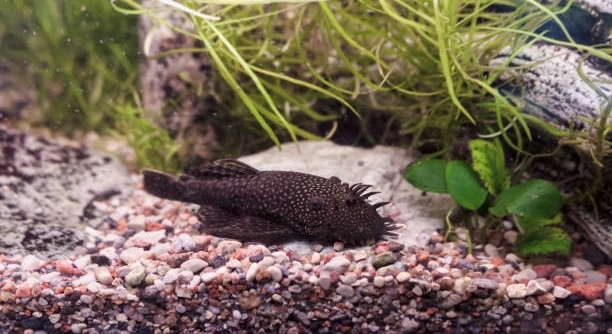
Do you ever find yourself wondering why your plecostomus suddenly darts around the tank or hides for long periods of time?
Loud or repetitive sounds can cause stress in plecostomus fish, affecting their behavior and overall health. These noises may come from inside the home or even from the equipment used in the aquarium.
Understanding which sounds may be bothering your pleco can help create a calmer and more comfortable environment in their tank.
Loud Television or Music
Plecos can be startled by loud sounds, especially if your tank is placed close to a television or speakers. The vibrations from the bass and sharp sound changes can pass through the glass and into the water, creating a stressful environment for your fish. Unlike humans, plecostomus don’t get used to ongoing noise in the same way. Repeated exposure can lead to long-term changes in behavior, like hiding more often, swimming erratically, or eating less. Even if the sound doesn’t seem loud to you, it can be much stronger underwater. Their sensitive bodies pick up vibrations quickly, making them uncomfortable. Keeping the tank in a quieter room or turning the volume down a bit may help your pleco feel more at ease. Think about the sounds your home creates throughout the day and how often those might affect your tank’s peace.
Avoid putting speakers or subwoofers too close to your aquarium.
Over time, too much exposure to loud music or shows may cause your pleco to stay hidden more than usual. This type of stress isn’t always easy to notice at first. But as it builds, it can lead to long-term health issues. If your fish used to swim freely and now hides constantly, check your sound levels. Sudden behavior changes like this can often be traced back to ongoing noise disturbances. One simple step is to observe how your pleco behaves at different times of the day. You might start noticing a pattern—like them staying still during your TV time. Soundproofing part of the tank area, moving the tank to a lower-traffic room, or reducing volume in that area are all ways to keep your pleco calm and comfortable. These small efforts can go a long way toward a healthier, more active pleco.
Vibrating Air Pumps
Constant vibration from nearby air pumps can make your pleco uncomfortable, especially if the tank bottom is thin or resting on a hard surface.
Air pumps that touch the aquarium stand or floor can send subtle vibrations through the tank. While this may not seem like much, your pleco can feel those vibrations all the time. Since plecos often rest on the bottom, these ongoing tremors can make it hard for them to relax. This might cause them to become more anxious, more sensitive to movement, and even more aggressive at times. You might also see them acting skittish or flipping around the tank. If you use an air pump, consider placing it on a thick towel or foam pad to absorb some of the vibration. You can also try suspending it off the ground to reduce contact with surfaces. These small changes help create a more peaceful setting for your fish.
Household Appliances Nearby
Washing machines, dryers, and dishwashers can create low rumbling noises and heavy vibrations that pass through floors and walls. If your pleco’s tank is close to these appliances, it may cause them to stay hidden or appear restless more often.
These appliances don’t run all day, but when they do, the noise and vibrations can be intense. Even cycles that seem short to us might feel long and stressful to your pleco. The shaking or humming that comes through the tank may interrupt their rest and make them feel unsafe. You might notice they stay low in the tank or press themselves into a corner when appliances are running. If the tank is near a laundry room or kitchen, it may help to move it slightly farther away or use padding beneath the stand to absorb some of the impact. Creating a buffer zone makes a noticeable difference.
Plecos need a calm space to feel secure. When vibrations or sudden loud noises interrupt their environment, they often respond by staying out of sight. You may also see changes in their eating habits or movement. Over time, this can wear them down and lead to a weaker immune system. Some fish keepers don’t realize the tank’s location is the issue. Think about where your appliances are and how often they run. The noise might not seem like much to you, but for a pleco, it’s overwhelming. Using carpeted flooring, placing the tank on a soft mat, or even rearranging furniture can help reduce the noise your pleco feels every day.
Construction or Street Work Sounds
Sounds from nearby construction or road work may reach your tank even if the windows are closed. These sounds are often deep and echo through floors and walls, reaching the water.
Some plecos are more sensitive than others, but most will react to heavy drilling, machinery, or loud hammering. If this happens daily or regularly, your fish may become more skittish, darting into hiding spots for hours. You may also notice them moving less or refusing to eat on louder days. Even if the sound source is outside, it still causes stress inside the tank. That stress builds with each passing day. Try moving the tank to a quieter part of the home or adding more plants and hides to make them feel safer. You can also cover part of the tank with a towel during loud moments to soften both light and sound. These small changes help reduce their stress.
Children Yelling or Running Nearby
Sudden loud noises from children yelling or running near the tank can startle your pleco. Fast movements and high-pitched sounds are especially stressful, often causing them to dart or hide for long periods of time.
If this happens frequently, your pleco may become more withdrawn. Even during quiet times, they might stay hidden, expecting another sudden disturbance.
Barking Dogs or Other Loud Pets
Loud barking or screeching sounds from pets like dogs and birds can cause stress for plecos, especially if the tank is close to where the pets spend most of their time. Fish don’t understand where the sound is coming from, which can make them feel constantly on edge. Continuous exposure can lead to poor appetite, skittish swimming, and general restlessness. If your pleco is acting differently and you have loud pets nearby, try placing the tank in a room where the noise doesn’t carry as much. Adding background noise like a quiet fan may also help mask sudden sounds and keep things calmer.
Loud Vacuuming
Vacuum cleaners are especially disruptive due to their high volume and strong vibrations. Plecos can sense the rumble through the tank and may quickly hide or freeze in place until the noise stops.
FAQ
Can I use a soundproof room for my plecostomus tank?
Yes, a soundproof room can significantly reduce the stress your pleco experiences from external noises. These rooms are designed to minimize vibrations and block out external sound, providing a quieter environment for your fish. However, make sure the room is well-ventilated and has proper lighting for your pleco’s health. Keep in mind that a complete soundproofing setup may not be necessary, but reducing outside noise with curtains, carpets, or softer materials can go a long way. Just make sure your pleco still gets enough light and airflow.
Does the placement of my pleco’s tank matter for noise exposure?
Yes, tank placement is very important. Placing the tank near noisy appliances, high-traffic areas, or outside noise sources can make your pleco stressed. Try to keep the tank in a quieter area of your home. Avoid areas near televisions, speakers, or loud pet zones. Choose a spot with minimal direct vibrations and sound disturbances. Moving your pleco’s tank a few feet away from noisy areas could make a noticeable difference in their behavior and overall well-being.
How can I tell if my pleco is stressed from noise?
Signs of stress in a plecostomus can include hiding more often, erratic swimming, or even loss of appetite. If you notice your pleco suddenly spending more time at the bottom of the tank or in corners, it could be a sign they are stressed. A pleco may also be less active and more hesitant to approach food. If your fish reacts strongly to loud noises or changes in their environment, that could indicate stress. Observe if these behaviors occur during specific noisy times, like when the television is on or construction outside is loud.
Should I worry if my pleco stops eating during noisy times?
Yes, a lack of interest in food can be a sign that your pleco is stressed. While it’s normal for fish to sometimes refuse food, continuous avoidance of food in response to loud or vibrating noises can be troubling. Stress can affect your pleco’s digestion and overall health, leading to long-term issues if not addressed. If you notice your pleco consistently refusing to eat when noises are present, it’s worth looking at reducing sound disturbances around their tank. Adding more hiding spots or moving the tank to a quieter place may help encourage them to eat again.
Are there certain noises that plecos are more sensitive to than others?
Plecos are particularly sensitive to low-frequency noises and vibrations. Sounds like loud bass from music, the hum of nearby appliances, or even vibrations from a washing machine can be disturbing for them. They tend to be less affected by higher-pitched noises, but sudden loud sounds or continuous low-frequency vibrations are the most stressful. This is why keeping your pleco’s tank away from appliances and speakers is so important. Reducing vibrations in the tank environment can help keep them calm and active.
Can I add soundproof materials to the tank itself?
While it’s not common to add soundproofing directly to the tank, you can reduce noise levels by softening the area around it. Placing thick mats or foam under the tank can absorb some vibrations. Also, using soundproofing materials on nearby walls or placing the tank in a room with soft carpeting and curtains can help. Be cautious when adding any materials inside the tank, as some may interfere with water flow or oxygen levels. Focus more on minimizing outside noise rather than trying to soundproof the tank directly.
Do plecos get used to noise over time?
Unlike some animals, plecos are not likely to get used to loud noises over time. Continuous exposure to stress-inducing sounds can cause lasting changes in their behavior. They may become more withdrawn or stop eating altogether. While they might appear to adjust to regular noise after a while, this doesn’t mean they’re comfortable. To ensure their health and well-being, it’s better to try to reduce or eliminate the sources of stress rather than expect them to become tolerant of it.
Can I use aquarium equipment like filters and pumps without disturbing my pleco?
Yes, many aquarium filters and pumps are designed to be quiet and should not disturb your pleco. However, some models can create vibrations or noises that affect sensitive fish. Choose equipment known for quiet operation, and position it to minimize any impact on the tank’s environment. It’s also important to check that the equipment is well-maintained and free from any malfunction that could lead to excess noise. Some fishkeepers use foam pads under pumps and filters to reduce vibrations further.
How can I keep my plecostomus calm during cleaning or water changes?
When performing tank maintenance, try to keep noise to a minimum. Avoid sudden movements or loud sounds, and work slowly. If possible, do the maintenance during quieter times of day when your pleco is less active. You can also provide extra hiding places like caves or plants to give them a sense of security while you clean. Consider doing partial water changes more frequently instead of larger ones, as this can reduce the disturbance caused by significant changes in the tank environment. A calm, slow-paced maintenance routine will keep your pleco from getting too stressed.
Is it okay to have a noisy household if I have a plecostomus?
Having a noisy household can be challenging for a pleco, as they are sensitive to vibrations and loud sounds. While it may not be possible to eliminate all noise, you can take steps to make your pleco’s environment more peaceful. Placing the tank in a quieter room or using noise-dampening materials in the room can help. Avoid having the tank near loud TVs, speakers, or active areas. The goal is to limit the amount of stress your pleco experiences from outside noises. You may also notice an improvement in your pleco’s behavior with these small adjustments.
Final Thoughts
When it comes to caring for a plecostomus, creating a peaceful environment is essential for their well-being. Plecos, like many fish, are sensitive to their surroundings, and even subtle changes in noise levels can affect their behavior. Loud or constant sounds, whether from appliances, pets, or even household activities, can cause stress and discomfort for your pleco. Stress can lead to changes in eating habits, hiding more frequently, and general lethargy. It’s important to remember that while these noises may seem insignificant to us, they can be overwhelming for your fish.
Addressing noise in your pleco’s environment doesn’t necessarily mean complete silence, but rather managing and reducing loud, vibrating sounds. Consider where your tank is placed in the home. Keeping it away from high-traffic areas, noisy appliances, or loud pets can make a big difference. Even small adjustments like adding soft materials under the tank, using quieter equipment, or moving the tank to a quieter room can help your pleco feel safer and more comfortable. The more you pay attention to how your pleco responds to noise, the better you can fine-tune their environment to suit their needs.
In the end, understanding the impact of noise on your pleco is about more than just creating a quiet space—it’s about ensuring their long-term health and happiness. A stress-free pleco is likely to be more active, eat well, and show natural behaviors like swimming and interacting with their environment. By taking small steps to manage the sounds around them, you’re helping to provide a space where your pleco can thrive. Keep observing your pleco’s behavior, and make changes as needed to maintain a peaceful and healthy environment for your fish.

Hello,
If you enjoy the content that we create, please consider saying a "Thank You!" by leaving a tip.
Every little bit helps us continue crafting quality advice that supports the health, happiness, and well-being of pets around the world, for pets of all shapes, sizes, and species.
We really appreciate the kindness and support that you show us!