
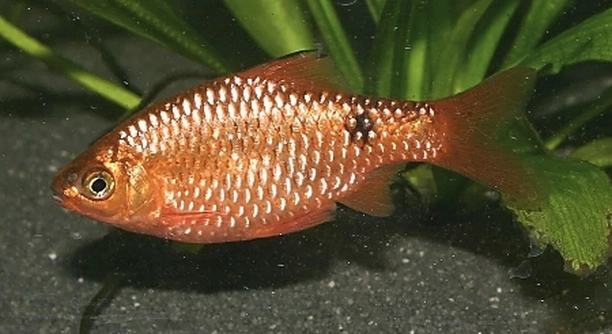
Rosy barbs are popular aquarium fish known for their bright colors and active behavior. Keeping them calm is important for their health and well-being. Certain sounds can help create a peaceful environment for these fish.
Research shows that specific gentle sounds, such as flowing water or soft ambient noise, can reduce stress in rosy barbs. These calming sounds mimic natural habitats, helping fish feel secure and less agitated in captivity.
Understanding how sound affects your rosy barbs can improve their overall care and create a more serene aquarium atmosphere. This article explains seven sounds that can help soothe your fish effectively.
The Sound of Flowing Water
The gentle sound of flowing water is one of the most soothing noises for rosy barbs. In their natural environment, they live near streams and rivers where the water movement is constant but calm. Mimicking this sound in an aquarium helps create a familiar setting that lowers their stress levels. You can achieve this by using a small water pump or filter that produces a steady, soft flow. It’s important to avoid strong currents, as these can cause anxiety instead of calmness. The subtle bubbling and trickling sounds simulate the natural flow of water, encouraging the fish to swim more calmly and confidently. This method is both easy to implement and effective for maintaining a peaceful tank environment, supporting the overall health and activity of your rosy barbs.
Soft flowing water sound improves fish behavior and reduces stress significantly.
Providing this sound enhances their comfort and helps them adjust better to captivity, leading to a healthier and more active aquarium life.
Gentle Ambient Noise
Background ambient noise that is soft and steady can have a calming effect on rosy barbs. This might include faint sounds like rustling leaves or distant rainfall. The key is to keep the volume low and consistent to avoid startling the fish. Playing ambient noise near the tank can help mask sudden loud sounds from the surrounding environment, which often cause stress to fish. Using a speaker or a small sound machine set on a gentle nature sounds setting works well. Over time, the rosy barbs become accustomed to these peaceful background noises, which promotes relaxation and regular activity. This approach creates a stable atmosphere that supports their well-being without requiring major changes to the aquarium setup.
Soft Music
Soft music with slow rhythms can help calm rosy barbs. Gentle melodies and low volumes work best, avoiding sudden changes or loud beats that could stress them out.
Playing soft music near the tank creates a consistent sound environment that keeps the fish relaxed. Classical or ambient instrumental tracks are good choices because they have steady, smooth tones. The repetitive nature of these sounds prevents startling interruptions, allowing the rosy barbs to swim calmly and feel more secure. It is important to keep the volume low so the music blends with other background sounds without overwhelming the fish’s senses.
This calming effect helps maintain their natural behavior and supports healthier interactions within the aquarium. Soft music can become part of a daily routine, enhancing the tank’s atmosphere without disturbing the fish.
White Noise
White noise provides a steady, uniform sound that can mask sudden noises around the aquarium. This constant background helps reduce stress by preventing unexpected loud sounds from alarming the rosy barbs.
Using a white noise machine or app near the aquarium can create this steady sound layer. The consistent hum of white noise mimics natural environments where many subtle sounds blend together, making the fish feel more secure. It also helps reduce disturbances from household noises such as doors closing or voices. Maintaining this sound creates a peaceful environment that supports the well-being of the fish over time. Careful adjustment of volume ensures the noise is calming, not overwhelming, for the fish.
Incorporating white noise is a practical method for keeping your rosy barbs calm and steady in their tank.
Low-Frequency Tones
Low-frequency tones can create a calming atmosphere for rosy barbs. These sounds are deep and steady, similar to natural underwater vibrations that fish experience in the wild. They help reduce sudden reactions and promote a sense of safety.
Using devices that produce low-frequency sounds near the tank can help maintain a relaxed environment. The tones should be soft and continuous, avoiding sharp or irregular noises that might cause stress.
Nature Sounds
Natural sounds like gentle rain or rustling leaves can soothe rosy barbs by replicating their habitat’s peaceful background. These sounds are subtle and non-intrusive, helping fish stay calm and less anxious in captivity.
Aquarium Filter Noise
The steady hum of a well-maintained aquarium filter serves as a comforting background sound for rosy barbs. It provides constant noise that drowns out sudden external sounds, helping the fish feel secure in their environment.
Silence
Complete silence can sometimes be unsettling for rosy barbs. They are used to constant background noise in nature, so a quiet environment may increase their stress levels or cause restless behavior.
FAQ
What kinds of sounds are best for calming rosy barbs?
The best sounds are gentle and consistent. Flowing water, soft music, low-frequency tones, and nature sounds like rain or rustling leaves work well. These sounds mimic their natural environment and help reduce stress. Sudden or loud noises should be avoided as they can startle the fish.
Can loud music or sudden noises harm rosy barbs?
Yes, loud music or sudden noises can cause stress and panic in rosy barbs. They respond better to soft, steady sounds that create a peaceful atmosphere. Abrupt sounds can lead to erratic swimming or hiding, which affects their health over time.
How loud should the calming sounds be?
Calming sounds should be kept at a low volume. The goal is to create a gentle background noise that blends with other tank sounds like filters or pumps. If the sound is too loud, it might overwhelm the fish and cause more harm than good.
Is it necessary to play calming sounds all day?
No, it’s not necessary to play calming sounds constantly. Playing them during the day or when there is a lot of household noise can help keep the fish calm. However, giving periods of silence or normal tank noise is also fine to avoid overstimulation.
Can any electronic device produce calming sounds for fish?
Not all electronic devices are suitable. Devices that produce steady and soft sounds, like white noise machines, water pumps, or music players with gentle playlists, work best. Avoid devices that emit harsh or irregular sounds.
How do I know if the sounds are helping my rosy barbs?
Signs of calm fish include steady swimming, regular feeding, and less hiding. If your rosy barbs appear relaxed and active, the sounds are likely helping. Increased erratic behavior or stress signals may mean the sounds need adjustment.
Can I combine different types of calming sounds?
Yes, combining sounds like flowing water and soft ambient noise can be beneficial. Just ensure the sounds blend well and do not become overwhelming. The goal is to maintain a peaceful environment, not to create a noisy or confusing soundscape.
Will these sounds help if my fish are already stressed?
Calming sounds can help reduce stress, but they are not a complete solution if the cause is poor water quality or overcrowding. Addressing tank conditions first is crucial. Sounds can then support recovery by providing a stable and soothing environment.
Do rosy barbs respond to human voices or talking near the tank?
Rosy barbs generally do not respond positively to human voices or sudden talking. Loud or frequent noise near the tank may increase their stress. It’s better to keep the environment quiet or filled with gentle, consistent sounds.
Is silence ever good for rosy barbs?
Complete silence may feel unnatural and cause stress for rosy barbs, as they are used to constant subtle noises in their environment. Background sounds like filter hum or flowing water create a safer, more familiar setting.
Final Thoughts
Creating a calm environment for rosy barbs is important for their health and happiness. Sounds play a key role in shaping this environment. Soft, steady noises that mimic natural habitats help reduce stress and promote natural behavior in these fish. Whether it is the gentle flow of water, quiet ambient noise, or low-frequency tones, these sounds can make a noticeable difference. Paying attention to sound is a simple way to improve the quality of life for your fish without changing much about the tank setup.
Not all sounds are helpful, so it is important to choose carefully. Loud or sudden noises can cause anxiety and disrupt the peaceful atmosphere your rosy barbs need. Keeping the volume low and consistent helps the fish feel safe and comfortable. It’s also important to balance sound with periods of normal tank noise or quiet. Overdoing sound exposure might lead to overstimulation, which can be harmful. Observing how your fish respond to different sounds will guide you in finding the best approach.
Adding calming sounds is an easy and natural way to support your rosy barbs’ well-being. Along with good water quality, proper feeding, and adequate space, sound management helps create a healthy and stable aquarium environment. These small adjustments can lead to calmer fish that swim actively and display their vibrant colors. By understanding how sound influences your fish, you take an important step toward better care and a more enjoyable aquarium experience.

Hello,
If you enjoy the content that we create, please consider saying a "Thank You!" by leaving a tip.
Every little bit helps us continue crafting quality advice that supports the health, happiness, and well-being of pets around the world, for pets of all shapes, sizes, and species.
We really appreciate the kindness and support that you show us!