
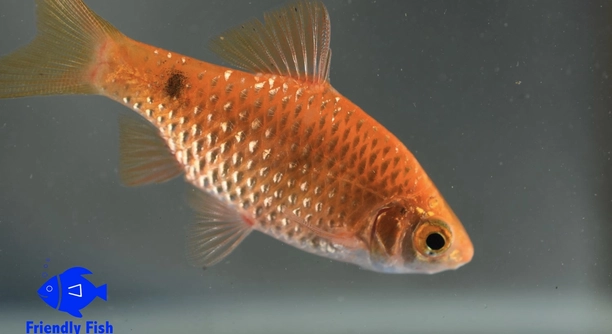
Rosy barbs are popular freshwater fish known for their bright colors and active nature. They live best in calm environments where sudden loud noises are minimal. Some everyday sounds can disturb their peace and affect their behavior.
Seven common sounds can bother rosy barbs: loud banging, high-pitched noises, constant tapping, vibrations from nearby machines, sudden claps, heavy footsteps near the tank, and household alarms. These sounds cause stress and may disrupt their normal activities and health.
Knowing which sounds can upset rosy barbs helps create a calmer home for them. This article will explain the noises that affect them the most and how to reduce these disturbances.
Loud Banging and Sudden Noises
Loud banging or sudden noises can startle rosy barbs easily. These fish are sensitive to quick changes in their environment. A sudden bang on the wall or a dropped object near the tank can cause them to hide or swim erratically. In my experience, even small shocks make them nervous for a long time afterward. It’s best to avoid loud activities near their aquarium. Over time, repeated loud noises may cause chronic stress, which lowers their immune system. This can lead to illness or even death. Keeping the tank in a quiet room or using soundproofing measures helps maintain their calm. Soft background sounds like gentle music or nature noises usually don’t bother them. Providing hiding places inside the tank also gives them a safe spot when unexpected sounds happen.
Reducing loud bangs near the aquarium improves rosy barbs’ well-being significantly. Calm surroundings support healthy fish behavior and growth.
When you protect rosy barbs from sudden loud noises, they swim more freely and show their true colors. This peaceful environment encourages natural behaviors like schooling and feeding, making the tank more enjoyable to watch.
High-Pitched and Repetitive Sounds
High-pitched and repetitive sounds can be very disturbing for rosy barbs. These include things like alarms, certain electronic beeps, or constant tapping on the glass. Unlike sudden bangs, these noises are continuous and harder for the fish to ignore. The high frequency of these sounds may cause the fish to become restless or even aggressive toward each other. I’ve noticed that in tanks where the glass is tapped often, the barbs stop eating and spend more time hiding. The sound vibrations travel easily through water, amplifying their impact. Reducing these noises, or moving the tank to a quieter area, helps the fish stay relaxed. Using a tank cover or placing soft material around the tank can also reduce sound waves reaching them. Overall, less noise means healthier and happier fish.
Vibrations from Nearby Machines
Vibrations from machines like washing machines or air conditioners can disturb rosy barbs. These subtle movements transfer through surfaces and the water, making fish uneasy.
These vibrations create a constant low-level disturbance that the fish can sense even if the noise seems faint. Over time, this can lead to increased stress and changes in swimming patterns. I’ve seen barbs become less active and hide more when machines run nearby for long periods. These vibrations also interfere with their ability to rest properly. Moving the tank away from heavy machinery or isolating the tank with padding can reduce the effect. Minimizing vibration improves the fish’s comfort and overall health.
A quiet, vibration-free space helps rosy barbs behave normally and lowers their stress. This environment supports their natural rhythm and energy levels, making the tank more peaceful.
Heavy Footsteps Near the Tank
Heavy footsteps cause vibrations and noise that can unsettle rosy barbs. The constant thumping near the tank can lead to nervous behavior and hiding.
In my experience, fish near busy household areas often act skittish due to frequent footsteps. The vibrations travel through floors and tank stands, disturbing their environment. This stress can reduce their appetite and cause weaker immune responses. Soft rugs or mats under the tank stand help absorb these shocks and quiet the floor. Placing the aquarium in a less trafficked room limits exposure to heavy foot traffic. Ensuring a stable, calm setting keeps the barbs relaxed and healthy.
Constant Tapping on the Glass
Tapping on the aquarium glass can cause stress for rosy barbs. They may perceive it as a threat or predator nearby.
Repeated tapping makes them nervous and can lead to hiding or erratic swimming. It’s best to avoid touching the glass unnecessarily to keep them calm.
Household Alarms and Beeping Devices
Household alarms, smoke detectors, or electronic beeping can disturb rosy barbs due to their sharp and repetitive sounds. These noises create an uncomfortable environment that increases stress levels in the fish. Over time, this stress may reduce their immune response and affect their overall health. Placing the aquarium in a quieter part of the house or temporarily silencing alarms when possible can help lower the disturbance. Using sound-absorbing materials around the tank area also lessens the noise impact.
Sudden Claps
Sudden claps produce loud, sharp noises that can startle rosy barbs instantly. They react by darting or hiding quickly.
FAQ
What sounds bother rosy barbs the most?
Rosy barbs are especially sensitive to loud bangs, sudden claps, and high-pitched noises. These sharp, intense sounds cause immediate stress and fear. Constant tapping on the glass and repetitive beeping alarms also upset them, but more gradually. Vibrations from heavy machinery or footsteps near the tank can create ongoing discomfort.
How can I reduce noise around my rosy barb tank?
Place the aquarium in a quiet room away from household appliances and heavy foot traffic. Use rugs or mats under the tank stand to absorb vibrations. Avoid tapping on the glass or making loud noises nearby. Adding soft materials around the tank area helps muffle sharp sounds. Covering the tank can also lower noise impact.
Can noisy environments cause health problems for rosy barbs?
Yes. Noise and vibrations increase stress levels, which weakens their immune system. Chronic stress can make rosy barbs more prone to illness, reduce appetite, and affect their behavior. A calm, quiet environment supports their long-term health and helps them stay active and colorful.
Why do rosy barbs hide when there are loud noises?
Hiding is a natural defense response to perceived danger. Loud noises or sudden sounds signal possible threats, so the fish seek shelter. Repeated disturbances can cause them to hide more often, which limits their activity and affects their well-being. Providing hiding spots inside the tank helps them feel safer.
Are there any sounds that don’t bother rosy barbs?
Soft, consistent background noises like gentle music or natural sounds rarely upset rosy barbs. They get used to these low-level sounds and may even find them comforting. The key is that the noises remain steady and not sudden or harsh.
How long does it take for rosy barbs to calm down after a loud noise?
It varies, but usually, it can take anywhere from a few minutes to several hours for them to relax. Frequent loud noises prolong their stress, making recovery slower. Minimizing noise helps speed up the calming process and keeps them healthy.
Is it harmful to tap the glass to get rosy barbs’ attention?
Tapping the glass often causes stress and should be avoided. While it may seem like a way to interact with the fish, it creates vibrations and noise that scare them. Instead, try gentle hand movements outside the tank or feeding routines to get their attention.
Do rosy barbs react differently to noise based on their environment?
Yes. Barbs in tanks with plenty of hiding places and less external noise tend to be calmer. A noisy or barren tank leaves them more vulnerable to stress. Creating a stable, quiet habitat with plants or decorations improves their response to unavoidable sounds.
Can soundproofing materials help with noisy tanks?
Yes. Using foam pads or thick cloth around the tank stand absorbs some sound and vibrations. Placing the aquarium away from walls that transmit noise also helps. These measures reduce overall disturbance and make the fish’s environment more peaceful.
Should I turn off noisy machines when near the tank?
If possible, yes. Machines like washing machines, vacuum cleaners, or air conditioners produce vibrations and noise that bother rosy barbs. Limiting their use near the tank or running them in another room protects the fish from stress. If you cannot move the tank, try soundproofing or padding to reduce the impact.
Rosy barbs are beautiful and lively fish that thrive best in calm, peaceful environments. Loud noises, sudden sounds, and constant vibrations can stress them out and affect their health. Keeping their surroundings quiet and stable helps them feel safe and comfortable. This means avoiding loud bangs, tapping on the glass, and high-pitched alarms near their tank. By reducing these disturbances, you create a better home where they can swim freely and show their bright colors.
It’s important to remember that fish don’t just live in the water — they also feel what happens around the tank. Vibrations from machines like washing machines or air conditioners travel through the floor and walls into the water, disturbing rosy barbs even if the noise seems far away. Heavy footsteps and constant tapping on the aquarium glass can also upset them. Taking steps like placing the tank away from noisy areas, using rugs or padding to absorb vibrations, and limiting tapping helps keep them calm. Adding plants or decorations inside the tank gives them places to hide when they feel scared, which is also helpful.
Creating a peaceful environment is one of the simplest and most effective ways to care for rosy barbs. Stress from noise and vibrations can cause them to hide, stop eating, or become sick. Protecting them from these sounds supports their health and happiness. Watching rosy barbs swim in a quiet tank is much more enjoyable than seeing them stressed and nervous. With small changes to your home and aquarium setup, you can make a big difference in their well-being.

Hello,
If you enjoy the content that we create, please consider saying a "Thank You!" by leaving a tip.
Every little bit helps us continue crafting quality advice that supports the health, happiness, and well-being of pets around the world, for pets of all shapes, sizes, and species.
We really appreciate the kindness and support that you show us!