
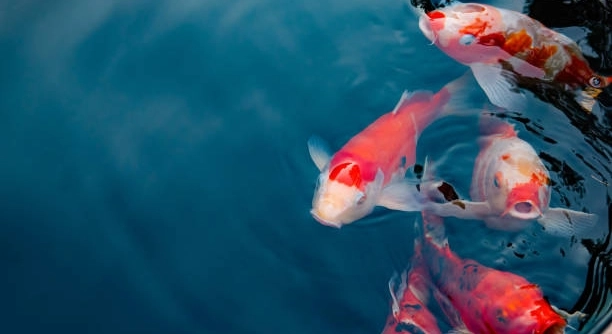
Do you ever find yourself sitting by your koi pond, wondering if there’s something more you could do to help your fish relax and thrive?
Certain sounds have been shown to create a calming effect on koi fish by reducing stress levels and encouraging natural, healthy behavior. These sounds include gentle water trickling, soft classical music, and ambient nature recordings.
Understanding how different sounds affect your koi can help you create a more peaceful and supportive environment for them.
Gentle Water Sounds
A steady, gentle stream of water can calm koi fish by creating a natural and familiar environment. Many ponds already have waterfalls or small fountains, and these help keep the water moving and oxygen-rich. But more than that, the soft sound of flowing water lowers stress levels in koi. When fish hear these sounds regularly, they are less likely to display skittish behavior and more likely to swim freely. It mimics the rivers and streams their ancestors lived in, which helps them feel secure. Make sure the sound stays soft—too much noise from splashing can have the opposite effect. It’s also important to keep filters and pumps running smoothly to avoid sudden loud bursts. By keeping the environment stable and calm, koi fish are able to relax and remain active during the day. This small addition can create a noticeable change in their behavior over time.
The key is consistency. A steady sound of trickling water gives koi something soothing to focus on, lowering anxiety.
Some people also add small rock features that let water spill gently, which works just as well as manufactured fountains. If your pond doesn’t already have this, consider a simple bubbler or soft water spout. Avoid strong jets.
Soft Classical Music
Low-volume classical music helps koi fish stay calm. Pieces with slow tempos and string instruments seem to work best when played on a schedule.
Studies on sound and animal behavior show that calm, repetitive melodies can help lower stress hormones in fish. Koi respond well to sounds that don’t change too much in pitch or rhythm. That’s why gentle classical music, especially compositions with piano and strings, tends to work better than modern pop or fast-paced tunes. If you use a speaker near your pond, keep the volume low and avoid sudden changes in sound. Play the music at the same time every day, ideally in the morning or early evening, so the koi begin to expect it. This routine helps them associate the sound with a safe, relaxed environment. Over time, they may even swim closer to the speaker or become more active when the music starts. Always check your fish’s behavior to make sure the sound isn’t too loud or stressful.
Natural Rainfall Recordings
Light rain sounds have a calming rhythm that can reduce koi stress and promote smoother swimming. These sounds mimic gentle showers in nature, creating a peaceful atmosphere that koi seem to enjoy.
When using rainfall recordings, keep the volume low and avoid tracks with thunder or sudden loud drops. Steady, light rainfall works best. You can play these sounds through waterproof speakers positioned near the pond, especially during quiet parts of the day. Koi tend to respond with slower movements and more time spent near the surface. This can be helpful if you’re observing them for health reasons. It’s also a good idea to limit playback to about 30 minutes at a time to prevent overstimulation. If your pond is near a quiet area of your yard, these sounds can also help block unwanted noise from the street or neighbors that might otherwise startle the fish.
Not all koi react the same way, so it’s best to observe them the first few times you use the recording. If they scatter or stay hidden, it may be too loud or intense. Try switching to a softer track or shortening the duration. The goal is to create a calm pattern, not to overwhelm their senses.
Wind Through Trees
The soft sound of wind passing through leaves is another background noise koi fish respond well to. It blends into their surroundings and masks sharper noises that might disturb them.
You can play gentle forest breeze recordings or rely on natural wind if your yard has trees. Either way, the soft rustling sound adds a soothing layer to the pond environment. Like rainfall, this sound helps koi stay relaxed and encourages steady swimming. Be sure not to mix too many nature sounds together at once, as it can become overwhelming. Try playing this sound when feeding your koi—it may help them feel safer near the surface. If you use a speaker, keep it at a distance to avoid any vibration transferring to the water. This sound is especially helpful during early mornings or late afternoons when koi are most active but the surrounding environment may still carry background noise from nearby homes or roads.
Underwater Bubblers
The soft hum and bubbling sound from air stones or underwater bubblers can create a steady rhythm that comforts koi. These devices also improve oxygen levels, which supports their overall health and keeps the environment stable.
Place the bubbler away from strong currents to avoid disturbing resting areas. Keep the bubbling gentle.
Chimes in the Distance
Wind chimes placed far from the pond can produce soft, random tones that don’t startle koi. Avoid high-pitched or metal chimes too close to the water. Wood or bamboo chimes work best and should be hung in areas where the sound stays light and scattered.
Soft Human Voices
Speaking calmly around your koi can build familiarity. When they hear a soft tone regularly, they may become less fearful and more interactive, especially during feeding.
What sounds should I avoid around my koi pond?
Loud, sudden noises like banging, shouting, or loud music can startle koi fish and cause stress. High-pitched sounds and irregular, sharp noises should also be avoided, as they disrupt the calm environment koi need. Sounds that are too intense or unpredictable make fish hide or swim erratically, which can harm their health over time. Avoid using speakers too close to the pond or at high volumes. Mechanical noises like rattling pumps or noisy filters can also stress koi if not maintained properly. It’s best to keep the area quiet and consistent.
How can I introduce new sounds to my koi pond environment?
Start by playing the new sound at a very low volume for short periods. Observe the koi carefully during the first sessions. If they remain calm and continue their usual activities, slowly increase the duration over several days. If you notice signs of stress—such as frantic swimming, hiding, or loss of appetite—lower the volume or stop the sound altogether. Consistency is key. Use the same sound at similar times each day to help the fish get used to it. This gradual approach helps koi adapt without being overwhelmed.
Are koi fish able to recognize specific sounds?
Koi fish have limited hearing but can detect vibrations and low-frequency sounds. They may recognize repeated, consistent sounds like bubbling water or gentle music played regularly. These sounds become part of their environment and can provide comfort. However, they do not “recognize” sounds the way humans do. Instead, they respond to the presence or absence of familiar patterns. Consistent sounds help reduce stress by making the environment feel safe and predictable.
Can music really help koi fish stay calm?
Yes, slow, soft music, especially classical or ambient instrumental, has been shown to reduce stress in koi fish. Music with steady rhythms and gentle tones mimics natural sounds and helps create a peaceful atmosphere. The key is keeping the volume low and avoiding sudden changes in tempo or loud beats. Fast or harsh music can have the opposite effect. Playing calm music during feeding or quiet times can encourage koi to be more relaxed and active. It’s important to monitor their behavior and adjust accordingly.
Is it okay to use recordings of nature sounds?
Nature sound recordings like rainfall, wind, or gentle streams can be beneficial when played softly. They imitate the koi’s natural habitat, helping the fish feel more comfortable. Use recordings without loud noises like thunder or animal calls that might scare them. Limit playback to short periods to avoid overstimulation. Ensure the speaker is positioned so that the sound spreads gently across the pond without causing vibrations. Nature sounds can mask harsh noises from nearby streets or neighbors, making the environment calmer for the koi.
How important is sound compared to water quality?
Water quality is always the top priority for koi health. Clean, well-oxygenated water with stable temperature and pH levels keeps koi physically healthy. Sound complements this by reducing stress, which can help koi avoid illness related to anxiety or nervousness. While calming sounds support good behavior, they cannot replace proper filtration, regular water changes, and feeding. Think of sound as one part of creating an ideal living space. Good water conditions combined with peaceful sounds lead to the best results.
What signs show my koi are stressed by sounds?
Stressed koi may swim frantically, hide for long periods, or stop eating. You might notice rapid gill movement or jumping out of the water. If the fish avoid the area near the sound source, it could mean the volume or tone is too strong. Changes in color or physical condition can also be a sign of ongoing stress. Watching your koi’s daily behavior closely will help you spot these signs early. Adjust or remove any sound that causes discomfort.
Can I use multiple sounds at once?
Using multiple sounds together can be tricky. If too many different noises play at once, koi may become confused or stressed. It’s better to choose one calming sound and stick with it. For example, soft water bubbling combined with gentle rainfall recordings can work if balanced carefully. Avoid layering loud or high-pitched sounds. If you want variety, alternate between sounds at different times of the day rather than playing them all simultaneously. This approach keeps the environment peaceful without overwhelming the fish.
Creating a calm environment for koi fish is important for their health and happiness. Sounds play a key role in this. Gentle water sounds, soft music, and natural noises help reduce stress and encourage natural behavior. Koi respond well to steady, soothing sounds that mimic what they would hear in nature. When these sounds are consistent, koi become more relaxed and active. This leads to better swimming, feeding, and overall well-being.
It is important to keep the volume low and avoid sudden loud noises. Loud or sharp sounds can frighten koi and make them hide or swim quickly, which is not good for their health. Using gentle sounds like trickling water, soft rainfall, or wind rustling through trees can create a peaceful pond atmosphere. You can also try playing calm classical music or natural sound recordings carefully. Always observe your fish’s behavior when introducing new sounds. If the koi seem stressed or avoid certain areas, lower the volume or stop the sound.
Combining good water quality with calming sounds makes the best home for koi fish. Clean, well-maintained water supports their physical health, while soft, steady sounds help reduce anxiety. Together, these factors create a balanced environment where koi can thrive. Being patient and attentive will help you find the right sounds for your pond. Over time, these small efforts can make a big difference in keeping your koi healthy and peaceful.

Hello,
If you enjoy the content that we create, please consider saying a "Thank You!" by leaving a tip.
Every little bit helps us continue crafting quality advice that supports the health, happiness, and well-being of pets around the world, for pets of all shapes, sizes, and species.
We really appreciate the kindness and support that you show us!