
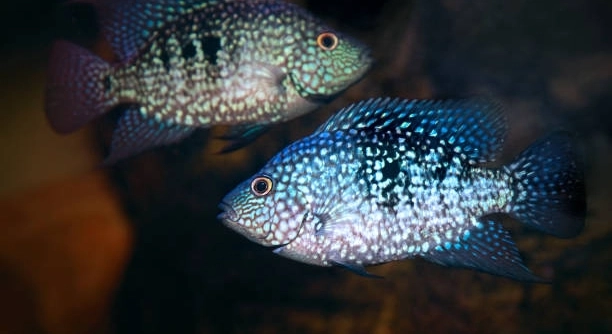
Many people keep fish as pets and enjoy watching them swim peacefully in their tanks. Over time, they notice that fish react to sounds in the room, even ones too subtle for humans to hear. Understanding these sounds helps create a calmer environment.
Fish can sense vibrations and noises in their environment through specialized organs such as the lateral line system and inner ears. Sounds like footsteps, talking, or machinery produce vibrations that fish detect, affecting their stress levels, behavior, and feeding patterns.
Knowing which noises impact fish most can improve their well-being and help you maintain a healthy, peaceful aquarium environment for them.
Footsteps and Movement Around the Tank
When I first set up my fish tank, I noticed that every time someone walked near it, the fish would scatter to the other side. Even soft steps on wooden floors create vibrations that travel through the room and into the water. Fish have a lateral line system, a series of sensory cells along their sides, which detects movement and changes in water pressure. These vibrations signal potential danger, triggering instinctive reactions. It isn’t just sudden movements that bother them; repeated pacing or heavy footfalls near the tank can make fish nervous over time. I learned that keeping a bit of distance and moving slowly around the tank helps them stay calm. Even regular household activity, like vacuuming nearby, can make them hide. Over time, I adjusted where my tank sits to reduce constant vibrations and give my fish a more peaceful space to swim.
Footsteps produce subtle vibrations that fish can detect, often causing stress or sudden movements, even if humans barely notice them.
By observing my fish closely, I realized that even small daily actions had a big effect. Walking softly and avoiding leaning on the tank became routine. Fish seemed to explore more when the area around the tank stayed quiet. I noticed they swam in patterns that avoided areas near frequent movement, and some stayed near plants or decorations for shelter. Over weeks, I could tell which parts of the room transmitted the most vibrations and adjusted their environment accordingly. Moving furniture slightly, placing rugs, and keeping heavy activity away from the tank all helped. It became clear that fish are constantly sensing more than we think, reacting to even the tiniest changes. Making small adjustments not only reduced their stress but also encouraged natural behaviors like exploring, interacting, and feeding more confidently. In time, the tank became calmer, and watching them swim felt more relaxing for me too.
Talking and Household Voices
Even soft talking around the tank produces vibrations that fish notice.
I found that speaking loudly or close to the tank often made the fish pause or swim quickly to the corners. They respond to consistent noise patterns, like conversations or television sounds. Over time, I realized that talking further away or lowering my voice created a calmer environment. Fish may not understand words, but the energy and vibrations matter to them. By adjusting how and where I spent time near the tank, they became more active and less startled. Sounds that seem normal in a living space are interpreted by fish as signals in their environment. I started noticing that quieter moments encouraged feeding and exploration, while sudden noises caused hiding. The more I respected these subtle cues, the better their behavior and health became. Observing these reactions helped me see that noise management is as important as feeding schedules or water quality.
Household Appliances
Appliances like fans, air conditioners, and washing machines create vibrations that fish can feel in the water. Even if the sound seems faint to humans, these steady hums or pulses can make fish more cautious and less active in their tanks.
I noticed that when my washing machine ran nearby, my fish would hide behind decorations or stay still at the bottom. Appliances produce low-frequency vibrations that travel through walls and floors, reaching the tank. Fish perceive these vibrations as changes in their environment. Over time, I started timing noisy appliances for when the fish were less active, and I moved the tank slightly away from direct contact with vibrating surfaces. Small adjustments, like adding a mat under the tank stand, also reduced the intensity of vibrations. These changes encouraged the fish to explore more and reduced signs of stress, such as rapid gill movement or erratic swimming.
Even steady sounds from fans or heaters affected fish behavior. I found that switching appliances to quieter modes helped them feel more comfortable. Consistent background noise could cause subtle stress, influencing feeding and interaction. By observing patterns, I adjusted appliance placement, turning off or reducing sound during sensitive times. Fish became more confident, swimming freely without constantly hiding or reacting to minor vibrations. These small changes created a calmer tank environment and improved their overall activity and health.
Footwear and Dropping Items
Dropping objects near the tank produces sudden vibrations that fish instantly notice. Even a small thud can trigger a defensive response.
I learned that when shoes or small items hit the floor, my fish reacted by darting to corners or staying near plants. Their lateral line system picks up these abrupt changes in water movement, making them sensitive to sudden disturbances. Over time, I started placing a rug or mat near the tank to absorb some of the shock from dropped items. Being mindful of where I put things down or how I walk near the tank reduced these reactions. I also noticed that repeated thuds had a cumulative effect, causing the fish to become more skittish overall. By keeping the area around the tank tidy and minimizing accidental drops, I helped maintain a calmer environment. Fish seemed more willing to swim openly and interact with decorations, showing less stress.
Even daily activities, like placing bags or books near the tank, can create vibrations fish detect. I began handling items with more care and noticing patterns in their responses. Over time, reducing sudden impacts led to calmer fish and a more peaceful tank atmosphere. Consistent observation showed that even small precautions improved behavior and comfort, making the tank feel safer and less reactive to everyday household noise.
Music and Television
Even low-volume music or TV produces vibrations fish can sense. Certain tones or bass frequencies cause subtle movements in the water that fish react to.
I noticed that my fish became more active when classical music played softly, but heavy bass made them hide. Adjusting volume and type of sound helped maintain a calm environment.
People Walking by the Room
Frequent movement outside the room affects fish behavior. They respond to vibrations transmitted through walls and floors. I realized that closing doors or placing the tank away from high-traffic areas reduced stress. Quiet surroundings encouraged exploration and natural swimming patterns, helping fish feel more secure.
Dropping Coins or Small Items
Even the smallest object hitting a hard surface near the tank produces a vibration. Fish quickly react by darting or hiding, showing their sensitivity to sudden environmental changes.
FAQ
How do fish sense vibrations in the water?
Fish have a lateral line system, a row of sensory organs along their body that detects movement and changes in water pressure. This system allows them to sense nearby vibrations caused by footsteps, dropped objects, or household appliances. Their inner ears also help detect sound and vibrations in the surrounding water.
Can everyday talking disturb fish?
Yes, normal conversations create vibrations that travel through walls, floors, and the tank water. Even if the volume seems low to humans, fish can pick up these movements. I noticed that lowering my voice near the tank and stepping back while talking helped the fish stay calmer.
Do household appliances affect fish behavior?
Appliances like fans, heaters, washing machines, and air conditioners produce low-frequency vibrations that fish can detect. These steady hums or pulses can make fish more cautious, hide more often, or reduce activity. Moving the tank slightly away from vibrating surfaces or using mats helps reduce the impact.
Are sudden noises more stressful than constant ones?
Yes, abrupt noises like dropping objects or slamming doors trigger immediate defensive responses in fish. Their natural instinct is to hide or dart to safe areas. I found that minimizing sudden impacts near the tank kept them calmer and reduced erratic swimming.
Does music affect fish differently than other noises?
Different types of music create different vibrations. Soft classical or ambient sounds seem less stressful, while heavy bass or loud music can make fish retreat or hide. I noticed that keeping the volume low and avoiding strong bass helped maintain a relaxed environment.
Can flooring type change how fish sense vibrations?
Yes, hardwood or tile floors transmit vibrations more than carpeted areas. I realized that placing a rug under the tank stand or on the floor near the tank reduced vibrations from footsteps or dropped items. This small adjustment helped fish feel more secure and less reactive.
Do multiple noises add up to more stress?
Yes, repeated or overlapping noises can increase stress levels. For example, talking while appliances run can create constant vibration in the tank. I started observing patterns and spacing noisy activities apart, which helped fish maintain normal swimming and feeding behavior.
Can fish get used to household noises?
Some fish may adapt over time to regular background sounds, but sudden or intense noises still trigger stress. I noticed that predictable, quiet routines helped them feel safer, but anything unexpected still caused reactions like hiding or rapid movement.
Is there a best spot for a tank to minimize vibration?
Placing a tank away from high-traffic areas, heavy appliances, and doors reduces vibrations. I moved my tank to a corner of the room with fewer disturbances. Using a sturdy stand and cushioning mats also helped absorb vibrations and provided a calmer environment for the fish.
How can I tell if my fish are stressed by sounds?
Signs include hiding, darting quickly, staying at the bottom, or reduced feeding. I watched my fish closely after moving items or running appliances and noticed these behaviors. By adjusting noise levels and placement, I saw them swim more openly and behave naturally again.
Do water type and tank size matter for vibration sensitivity?
Yes, smaller tanks transmit vibrations more easily than larger ones. Water volume can dampen or amplify vibrations depending on the tank size and material. I found that thicker glass and larger tanks helped reduce the impact of minor household noises on fish.
Are some fish species more sensitive than others?
Yes, species vary in sensitivity to vibrations. Active swimmers like tetras or danios react quickly to sudden movement, while larger or slower species may be less reactive. Observing the specific behavior of your fish helps identify how much noise affects them.
Can I use decorations to reduce stress from vibrations?
Yes, plants, rocks, and ornaments provide hiding spots and help disperse vibrations. I added extra decorations and noticed fish used them for shelter during noisy periods, which helped reduce stress and encouraged natural swimming patterns.
Should I adjust feeding times around noisy activities?
Feeding during quieter moments encourages normal behavior. I found that avoiding feeding during loud chores or appliance use led to better eating habits and reduced stress, as fish were less distracted or startled by vibrations.
Is it possible to eliminate all vibrations in a home?
Not completely, but reducing them significantly is possible with careful tank placement, rugs, quieter appliance settings, and mindful movement. I learned that small adjustments made a noticeable difference in fish behavior and overall tank calmness.
Do vibrations affect fish health long-term?
Chronic stress from constant vibrations can affect growth, immunity, and behavior. I observed that calmer environments led to healthier, more active fish. Reducing stress from sound and movement is an important part of maintaining long-term fish health.
Final Thoughts
Keeping fish in a tank requires more than just feeding them and changing the water. Over time, I learned that fish are very sensitive to their environment, especially to sounds and vibrations. Even small noises from footsteps, talking, or appliances can affect their behavior. They react instinctively to any changes they sense in the water, which can make them hide, swim quickly, or stay still. Understanding how fish sense vibrations and sounds helps create a calmer, healthier environment. It is important to observe their reactions and notice patterns. By paying attention, small adjustments in placement, noise levels, and timing of activities can improve their comfort and overall well-being.
I noticed that when the area around my tank was quieter, my fish swam more freely and explored decorations. Even sounds that seem harmless, like a washing machine or TV, can produce vibrations that travel through walls and floors into the water. Over time, repeated exposure to these vibrations can increase stress in fish, affecting their feeding, movement, and behavior. Using simple solutions like placing a mat under the tank stand, moving the tank away from high-traffic areas, and timing noisy appliances helped reduce these effects. Even subtle changes, like lowering the volume of music or talking further from the tank, made a noticeable difference. By creating a more controlled environment, fish become more confident and less reactive to daily household activity.
Managing sound and vibration is a part of responsible fish care that many people overlook. Fish rely heavily on their lateral line system and inner ears to sense movement and pressure in the water, which means they experience the world differently than humans. Understanding these sensory abilities allows you to make thoughtful adjustments in your home, improving their comfort and reducing stress. Observing how they respond to different sounds helps identify what changes are most effective. Over time, I realized that small efforts to control noise and vibrations can have a big impact on their overall health. Fish that live in calmer environments grow healthier, feed more consistently, and display natural behaviors. Being aware of these factors allows anyone to provide a more peaceful, supportive habitat for fish, ensuring they remain active, healthy, and content in their tanks.

Hello,
If you enjoy the content that we create, please consider saying a "Thank You!" by leaving a tip.
Every little bit helps us continue crafting quality advice that supports the health, happiness, and well-being of pets around the world, for pets of all shapes, sizes, and species.
We really appreciate the kindness and support that you show us!