
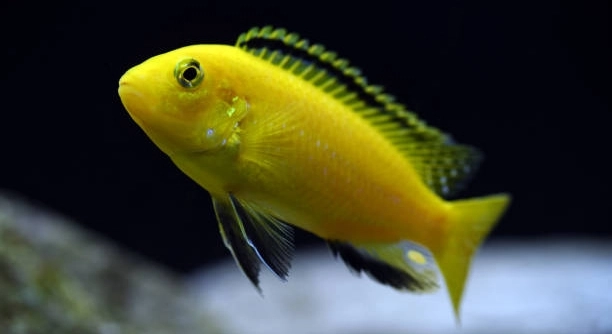
Cichlids are fascinating fish that show unique behaviors in response to sounds around them. Convict cichlids, in particular, can react noticeably to different noises in their environment, revealing much about their instincts and communication patterns.
Convict cichlids respond to sounds such as feeding cues, water movement, clapping near the tank, tapping on the glass, sudden loud noises, splashes, and other fish vocalizations. These sounds can trigger alertness, aggression, or feeding behaviors, reflecting their sensory and social adaptations.
Recognizing these reactions helps create a calmer, more engaging tank environment for your cichlids. Observing how they interact with sounds can deepen your understanding of their behavior and care needs.
Feeding Cues
Convict cichlids are highly responsive to the sound of feeding. When you drop food into the tank, the noise of pellets or flakes hitting the water immediately grabs their attention. They swim actively toward the source, sometimes nudging each other or darting quickly across the tank. This response is instinctive, tied to survival and competition for resources. Over time, these fish can even start associating specific human actions or sounds, like tapping a container or shaking a bag, with mealtime. Observing these behaviors can be entertaining and helpful for managing feeding routines. Consistent cues help reduce stress and ensure all cichlids get food without aggressive clashes. This sensitivity also highlights their ability to learn from their environment and adapt to repeated patterns. Even subtle changes, like a different type of pellet, can trigger noticeable reactions, showing their acute awareness of auditory cues.
Recognizing feeding-related sounds allows for smoother tank management and healthier fish behavior, minimizing stress and encouraging active engagement during meals.
Using feeding sounds strategically can improve overall tank harmony. By providing cues consistently, you can reduce conflicts and ensure that each fish is alert and ready to eat. Additionally, observing how individual cichlids respond may reveal their personalities and social hierarchy, giving insight into dominant and submissive behaviors during mealtime. This knowledge can guide adjustments in feeding frequency or placement of food to accommodate all fish fairly. Over time, they may even anticipate feeding moments, swimming toward the food area before pellets hit the water. Their responsiveness also extends to visual signals accompanying sounds, like hand movements above the tank, reinforcing their learning. Proper use of auditory cues enhances both feeding efficiency and interaction with the fish, making their environment more structured and predictable. Paying attention to these responses can also reveal potential health issues, as less active fish might indicate stress or illness, helping you address problems early.
Tapping on the Glass
Tapping on the tank can make convict cichlids alert. They often pause and look toward the noise source.
Repeated tapping can cause stress or defensive behavior in cichlids. While they may initially investigate, frequent tapping triggers aggression or hiding. Convict cichlids are territorial, and vibrations from the glass mimic intrusions in their environment. They may flare fins, swim rapidly, or chase imaginary threats. Avoiding unnecessary tapping helps maintain a calmer tank atmosphere. Observing how they react to occasional noise, like cleaning or gentle maintenance, can help you gauge their stress tolerance. It’s also important to balance interaction with quiet periods to let them feel secure. Stress from constant vibrations can affect feeding, breeding, and overall health, so minimizing loud or abrupt tapping is key. Using soft movements and predictable routines reduces agitation. If you notice persistent hiding or aggressive displays after tapping, consider rearranging decorations or adding hiding spots to lower tension. Managing these responses ensures cichlids remain active, healthy, and easier to observe.
Sudden Loud Noises
Sudden loud noises make convict cichlids immediately alert. They often stop swimming, flare fins, and retreat to hiding spots. These fish are sensitive to sharp sounds, which they interpret as potential threats in their environment.
Repeated exposure to loud noises can increase stress levels in cichlids. Their nervous system reacts quickly, causing them to display defensive behaviors or hide for extended periods. This heightened alertness can affect feeding and social interactions, sometimes leading to short-term aggression between tank mates. Even minor loud disturbances, like dropping objects near the tank or sudden claps, can trigger this response. Protecting the tank from unexpected noises helps maintain a stable environment. Observing their reactions also provides insight into their comfort level and tolerance. Proper placement of the aquarium away from high-traffic or noisy areas reduces unnecessary stress.
Avoiding abrupt noises allows convict cichlids to stay relaxed and active. Quiet surroundings support better feeding, growth, and social behavior, keeping their natural instincts balanced.
Water Movement
Convict cichlids react to strong water currents or splashes, adjusting their swimming patterns immediately. They often move against or away from the flow to stabilize themselves.
Strong water movement in a tank can trigger alert and defensive responses in convict cichlids. They may increase fin activity, hold their position against the current, or retreat to calmer areas. Such movement is interpreted as environmental change or potential threat, prompting heightened awareness. Regular adjustments, like adding filters or aerators, create controlled flow without causing distress. Observing how fish respond to varying water movement can inform placement of decorations and equipment to ensure safer spaces. Consistent flow patterns help them navigate confidently, reducing stress-related behavior. Water movement also affects oxygen distribution and feeding dynamics, so careful regulation benefits both health and interaction.
Moderate currents help maintain water quality, but understanding how cichlids respond ensures the tank stays comfortable. Strategic flow management supports calmer, more predictable behavior in daily routines.
Clapping Near the Tank
Clapping near the tank catches convict cichlids’ attention quickly. They often pause swimming and turn toward the sound, showing alertness.
Repeated clapping can make them cautious or defensive. They may swim away or hide, interpreting sudden noise as a potential threat, which can disrupt normal behavior.
Other Fish Vocalizations
Convict cichlids respond to sounds made by other fish, such as grunts or splashes. These auditory cues signal territory, aggression, or mating behavior. They may approach, retreat, or display defensive postures depending on the context, showing their social awareness.
Splashing
Splashing in the tank or nearby causes convict cichlids to become instantly alert. They often swim toward calmer areas or investigate cautiously, depending on the intensity of the disturbance.
FAQ
What sounds do convict cichlids respond to most strongly?
Convict cichlids are sensitive to several types of sounds. Feeding noises like pellets hitting the water, sudden loud noises, tapping or clapping near the tank, water movement, and vocalizations from other fish all trigger noticeable reactions. They may swim quickly, flare fins, or hide depending on the type and intensity of the sound.
How can I use feeding sounds to train my cichlids?
By creating consistent cues, such as shaking a food container or dropping pellets at the same spot, convict cichlids learn to associate these sounds with mealtime. Over time, they may respond immediately to the sound, swimming toward the feeding area in anticipation. This improves feeding efficiency and reduces stress.
Can tapping on the glass harm my fish?
Yes, repeated tapping causes stress. Convict cichlids interpret vibrations through the glass as intrusions in their territory. Frequent tapping can lead to defensive behaviors, hiding, or even aggression between tank mates. Minimizing abrupt glass tapping helps maintain calmer, healthier fish.
Why do loud noises make them hide?
Convict cichlids are naturally cautious. Sudden loud sounds, like claps or nearby slams, mimic threats in their environment. Their instinct is to seek safety, often retreating to hiding spots. Long-term exposure to loud noises can increase stress, reduce appetite, and disrupt social interactions in the tank.
Do they respond to water movement differently than sounds?
Yes, water movement creates vibrations in the tank that convict cichlids can sense. Strong currents or splashes trigger alert or defensive reactions. They may swim against the flow, retreat, or stabilize near calmer areas. Moderate, consistent water flow is less stressful and supports normal behavior.
How do other fish sounds affect them?
Sounds from other fish, including grunts or splashes, communicate territory, aggression, or mating intentions. Convict cichlids react depending on context—they may investigate, display dominance, or retreat. Understanding these responses helps in managing tank mates and minimizing conflict.
Is it okay to make noises near the tank occasionally?
Occasional soft noises, like gentle tapping for cleaning, are usually fine. Problems arise with repeated, abrupt, or loud sounds. Fish can distinguish between harmless and threatening disturbances. Providing quiet periods between interactions reduces stress and encourages normal activity.
Can they get used to repeated sounds?
Yes, convict cichlids can habituate to certain repeated sounds, like regular feeding cues. They may no longer react strongly after repeated exposure, which can be useful for training and creating a predictable environment. However, unexpected loud or aggressive sounds will still trigger defensive responses.
How do I know if a sound is stressing them?
Signs of stress include hiding for long periods, flared fins, erratic swimming, reduced appetite, or aggression. Observing behavior in response to specific noises can help identify stress triggers. Adjusting tank conditions or minimizing abrupt sounds helps maintain calm and healthy fish.
Can music or background noise affect them?
Convict cichlids respond mainly to vibrations rather than melody. Loud or bass-heavy music can create stress through vibrations in the tank. Low-volume ambient noise usually has minimal impact, but observing their reactions is important to ensure comfort.
How do sound responses vary between individual fish?
Each convict cichlid has a slightly different temperament. Some are bold and investigate sounds, while others are shy and hide quickly. Personality, age, and social ranking influence their responses. Recognizing these differences can improve feeding routines, tank management, and overall observation enjoyment.
Do sound responses change with age or size?
Yes, younger or smaller cichlids may be more easily startled by sudden noises. Adult fish often develop stronger territorial responses and may react more aggressively to other fish sounds or intrusions. Awareness of these changes helps in adjusting interactions and minimizing stress in a mixed-age tank.
Can sound help in breeding or mating behavior?
Yes, certain vibrations or splashing from other fish can trigger mating or territorial behaviors. Convict cichlids are highly responsive to cues indicating rivals or potential mates. Observing reactions to these sounds can help identify readiness to breed and manage pairings more effectively.
Are there any signs that indicate a tank environment is too noisy?
Persistent hiding, aggression, decreased feeding, and erratic swimming are clear indicators of excessive noise. Continuous loud or abrupt sounds disrupt natural behavior. Evaluating tank placement, surrounding environment, and equipment noise can help create a calmer habitat for the fish.
Can I use sound to calm or engage them?
Yes, predictable feeding sounds or gentle water movement can engage convict cichlids positively. They learn to associate these cues with food or safe activity, promoting interaction without stress. Avoid using abrupt or unfamiliar sounds, which tend to cause defensive or fearful reactions.
What is the best way to observe sound reactions safely?
Approach slowly, minimize sudden movements, and create consistent cues. Use controlled noises like food drops or gentle splashes to monitor reactions. Avoid repeated tapping or clapping, and provide hiding areas for fish to retreat if needed. Observing over time reveals patterns without harming their comfort or health.
This FAQ provides practical guidance for understanding how convict cichlids respond to different sounds, helping maintain a calm, engaging, and safe environment for them. Their reactions reveal much about their instincts and social behavior, allowing better care and observation.
Word count: 522
Convict cichlids are fascinating fish, and understanding how they respond to sounds can make caring for them much easier. These fish are naturally alert and sensitive to their surroundings, reacting to both subtle and sudden noises. Sounds like feeding cues, tapping on the glass, clapping near the tank, splashes, water movement, and other fish vocalizations can all trigger noticeable behaviors. Observing these reactions gives insight into their instincts, social hierarchy, and general well-being. By paying attention to the types of sounds that affect them, you can create a more stable and predictable environment, which helps reduce stress and encourages healthier behaviors. Recognizing these responses also allows you to better manage feeding routines and social interactions in the tank, ensuring that all fish are comfortable and active.
Maintaining a calm environment is especially important for convict cichlids because stress from repeated loud or abrupt noises can have long-term effects. Stress can cause hiding, reduced feeding, aggression, or even health problems if it becomes chronic. By minimizing sudden sounds and vibrations, you help them feel safer and more confident in their surroundings. Using consistent cues for feeding or tank maintenance allows the fish to anticipate events without fear. Gentle water movement and controlled interactions also contribute to a more secure habitat. Providing hiding spots or plants gives additional comfort, letting them retreat when necessary. Over time, this creates a healthier tank where cichlids can show natural behaviors, interact appropriately, and maintain strong overall health.
Understanding how convict cichlids react to sounds also enhances the experience of keeping them. You can observe their personalities, notice dominant or shy individuals, and learn how they respond to different situations. Their reactions reveal much about their instincts, communication, and adaptability. Being aware of these responses allows you to manage noise, water flow, and interactions with other fish effectively. By creating an environment that respects their sensitivity to sound, you help ensure they remain active, healthy, and socially balanced. Consistent care, attention to their reactions, and thoughtful management of the tank’s auditory environment all contribute to a happier and more natural life for these fish. This understanding transforms the aquarium from just a display into a space where the behavior and well-being of convict cichlids can be appreciated and supported fully.
Word count: 419

Hello,
If you enjoy the content that we create, please consider saying a "Thank You!" by leaving a tip.
Every little bit helps us continue crafting quality advice that supports the health, happiness, and well-being of pets around the world, for pets of all shapes, sizes, and species.
We really appreciate the kindness and support that you show us!