
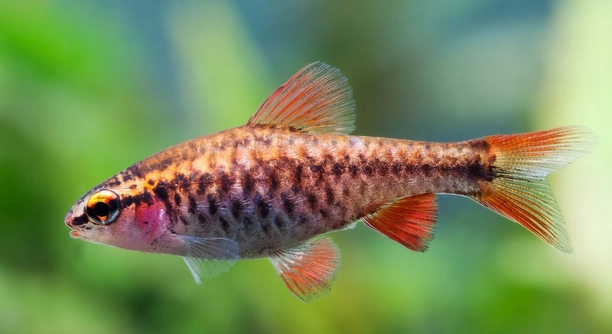
Cherry barbs are small, vibrant fish that react to various sounds in their environment. In a quiet room, they can still respond to specific noises, indicating their sensitivity to certain stimuli. Understanding these reactions is key to creating an optimal environment for them.
Cherry barbs are particularly sensitive to sounds that mimic the presence of food or potential threats. They can react to low-frequency vibrations, water disturbances, and high-pitched noises, all of which trigger instinctive behaviors such as feeding or seeking shelter.
The reactions of cherry barbs to sound are fascinating and help us better understand their behavior. Exploring these sounds will provide valuable insight into how to care for them effectively.
Low-Frequency Vibrations and Cherry Barbs
Cherry barbs react to low-frequency vibrations in the water, often associated with movement or the presence of larger animals. These vibrations signal potential threats or disturbances, which cause the fish to either freeze or swim toward areas of shelter. Their heightened sensitivity to these vibrations helps them survive in their natural habitat, where predators or environmental changes might create subtle disturbances.
These vibrations can also stimulate their feeding behavior when the sound is associated with food. The constant awareness of their surroundings through vibration detection makes cherry barbs attentive and quick to respond.
Understanding how low-frequency sounds affect cherry barbs helps ensure their environment is peaceful and conducive to their well-being. Keeping vibrations to a minimum can reduce unnecessary stress for them, contributing to healthier and happier fish.
High-Pitched Noises and Cherry Barbs
High-pitched sounds are another factor that influences cherry barbs. These sounds are typically associated with rapid movements in the water, often signaling a disturbance. Cherry barbs will react by becoming more alert or hiding, as they perceive such sounds as a potential danger.
However, certain high-pitched frequencies can also mimic the sound of food being released into the water. In this case, cherry barbs may become more active, swimming toward the source of the noise. The fish’s keen ability to detect these frequencies helps them make decisions on when to forage or when to take cover. It’s a fascinating way they interact with their environment.
Being aware of the effects of high-pitched noises can help aquarium owners create an environment that fosters relaxation and stability. By minimizing sharp, sudden sounds in their space, the fish can thrive without unnecessary anxiety.
Water Disturbances and Cherry Barbs
Water disturbances are among the most significant triggers for cherry barbs. Whether caused by a moving object, another fish, or changes in water flow, these disturbances alert the fish to possible threats. They instinctively swim to darker, quieter areas when these vibrations reach their sensitive hearing range.
Water disturbances can also encourage cherry barbs to forage, especially when they associate the vibrations with food being dropped or released into the tank. The presence of food can excite them, causing them to actively seek out the source of the disturbance. This sensitivity allows them to quickly adapt to their environment, responding both to threats and opportunities for feeding.
It’s important to keep water movement in check, as excessive turbulence can stress the fish. Gentle water flow ensures they are comfortable and not on edge, which contributes to their well-being. A calm, controlled environment is key to happy cherry barbs.
The Role of Feeding Sounds
Feeding sounds are often linked with positive responses in cherry barbs. When they hear the sound of food entering the water, they become more alert and may even swim towards the surface in anticipation. This instinct is vital for their survival, as it helps them secure food quickly.
Even in a quiet room, cherry barbs can recognize the subtle sounds associated with feeding, such as the crunch of pellets or the splash of small food particles hitting the water. This sound, especially if associated with a consistent routine, helps them understand when it’s time to eat.
Understanding how feeding sounds impact their behavior can help aquarium owners establish a regular feeding routine. Predictability in feeding times and sounds fosters a more relaxed and contented atmosphere for cherry barbs, encouraging a healthier environment overall.
Human Interaction Sounds
Cherry barbs also react to sounds associated with human activity. The sound of footsteps or the opening of an aquarium lid is enough to catch their attention. They quickly adapt to these regular sounds, often associating them with feeding times or the presence of their owner.
Their response to human sounds can vary, with some fish becoming excited at the prospect of food, while others may retreat to a quiet corner of the tank, depending on their individual behavior. Over time, they can recognize the frequency of human activity and learn to react accordingly.
Being mindful of how loud and sudden human interactions are can help reduce stress for cherry barbs. A calm, predictable presence will make them feel more secure and less likely to be startled.
Changes in Environment Sounds
Changes in the environment, such as adjusting the water temperature or adding new decorations, produce sounds that cherry barbs are quick to detect. These changes can trigger different responses, ranging from curiosity to a more cautious approach.
Cherry barbs have an innate ability to adjust to shifts in their surroundings, but sudden or frequent changes may cause them stress. Their sensitivity to such environmental changes highlights how in-tune they are with the smallest details around them. This instinct helps them thrive in stable environments, where they can predict the outcomes of changes.
Understanding the role that environmental sounds play in their behavior is crucial for creating a comfortable and stress-free habitat. Keeping changes minimal and gradual allows cherry barbs to adapt and feel secure in their environment.
High-Volume Background Noises
Cherry barbs tend to avoid areas where high-volume background noises are prevalent. Loud, consistent sounds can cause them to become stressed, as they interpret these noises as potential threats. This heightened awareness leads them to seek out more peaceful areas of the tank.
Excessive noise can lead to behavioral changes, such as erratic swimming or hiding. The fish may become skittish or less active, making it difficult to observe their natural behavior. High-volume sounds also hinder their ability to hear the more subtle noises they rely on for feeding or sensing other fish.
FAQ
How do cherry barbs react to sounds in their environment?
Cherry barbs react to different sounds by adjusting their behavior. They are sensitive to vibrations, which they associate with both threats and feeding opportunities. Low-frequency vibrations often cause them to seek shelter or become alert, while high-pitched noises may prompt them to swim toward the source of food. Their natural instinct to protect themselves or find food drives these reactions. Cherry barbs are highly attuned to sounds that mimic the presence of food, and they may become excited when they hear such noises, even in a quiet room.
Can loud noises harm cherry barbs?
Yes, loud noises can cause stress for cherry barbs. They are sensitive to high-volume background sounds, which may cause them to retreat or act erratically. If the sound is too overwhelming or persistent, it can trigger anxiety, making the fish more susceptible to illness or poor behavior. Cherry barbs thrive in environments with minimal noise disturbance, so it’s important to keep noise levels low to avoid stressing them. Reducing external noise and maintaining a quiet environment is beneficial for their overall health.
What type of noises should be avoided around cherry barbs?
Loud, sudden, or high-frequency noises should be avoided around cherry barbs. Noises such as slamming doors, loud music, or other sudden environmental changes can trigger fear responses. These sounds can cause the fish to hide or swim erratically, disrupting their natural behavior. It is also advisable to avoid tapping on the glass, as it may startle them. Keeping the aquarium in a calm, quiet room where external noise is minimal can help prevent unnecessary stress.
Do cherry barbs respond to voices?
Cherry barbs can detect voices, but their reaction is typically subtle. They may become more active or alert if they associate certain voices with feeding time. However, they are not as responsive to human voices as they are to the sounds of water disturbances or feeding. While they may learn to recognize the presence of their owner through voice, their primary reactions are driven by vibrations and water changes. If you speak near their tank, they may become curious or swim toward the sound, but this depends on their individual behavior and their environment.
How does water flow affect cherry barbs’ response to sound?
Water flow plays a significant role in how cherry barbs respond to sound. A strong water flow can amplify certain noises, causing the fish to become more alert or stressed. On the other hand, gentle water movement may cause fewer disturbances, allowing the fish to behave more naturally. Cherry barbs are sensitive to changes in the flow of water, especially if it results in vibrations or other sounds they associate with danger. Ensuring a balanced water flow in the tank helps reduce unnecessary stress for the fish.
Can cherry barbs get used to certain sounds over time?
Yes, cherry barbs can get used to certain sounds over time. If a particular noise, such as feeding sounds or human interaction, occurs regularly, they may learn to associate it with positive experiences, such as food. They become less likely to react with fear or stress as they recognize that these sounds are not threats. However, it is important to maintain consistency in the frequency and timing of these sounds. Sudden changes in noise can still startle them, even if they’ve previously adjusted to the sound.
How do cherry barbs communicate with each other through sound?
Cherry barbs do not rely heavily on vocal communication like some other species, but they do communicate through subtle body movements and vibrations. They may respond to each other through changes in swimming behavior or by becoming more active when they detect vibrations from other fish. These vibrations can indicate territory, the presence of potential mates, or feeding opportunities. While they don’t produce distinct vocal sounds, their ability to sense vibrations and movement in the water allows them to interact with each other effectively.
Are cherry barbs sensitive to low-frequency vibrations from humans?
Yes, cherry barbs are sensitive to low-frequency vibrations, including those caused by human movements. These vibrations are often detected through the water and can indicate changes in the environment, such as the presence of a larger animal or possible threats. Cherry barbs are highly aware of any disturbances in their environment, including those made by humans. Over time, they learn to associate certain vibrations with feeding times or the presence of their owner, which can affect their behavior.
How can I create a quiet environment for my cherry barbs?
To create a quiet environment for your cherry barbs, keep noise levels in the room to a minimum. Avoid loud music, television, or sudden sounds that could startle the fish. Place the aquarium away from high-traffic areas and limit interactions that may cause vibrations in the water. Additionally, ensure the water flow is not too strong, as excessive turbulence can create unsettling sounds. By maintaining a calm, quiet environment, you’ll help your cherry barbs feel safe and comfortable, encouraging them to thrive.
Do cherry barbs react differently to feeding sounds compared to other fish?
Cherry barbs react to feeding sounds in a similar way to many other species, but they tend to be particularly responsive to the vibrations associated with food. When they detect these sounds, they often swim towards the surface or become more active. Unlike some fish that may require visual cues, cherry barbs primarily respond to the vibrations of food entering the water. This sensitivity helps them secure food quickly, and with regular feeding routines, they can learn to associate certain sounds with mealtime.
Final Thoughts
Understanding how cherry barbs react to different sounds in their environment can help create a peaceful and comfortable habitat for them. These fish are sensitive to both high and low-frequency noises, making it important to keep their surroundings quiet. Sudden loud sounds or strong vibrations can cause stress, while a calm environment allows them to feel secure and exhibit natural behaviors. Whether it’s the sound of water changes, footsteps, or the feeding routine, cherry barbs are keenly aware of their surroundings. By minimizing loud noises and maintaining a steady routine, their well-being can be significantly improved.
While cherry barbs may not vocalize or make distinct sounds themselves, their reactions to environmental noises are an essential part of their behavior. They rely on vibrations and subtle water movements to communicate with each other and understand what’s happening around them. Over time, they may become familiar with certain sounds, such as those associated with feeding or the presence of their owner, which can lead to positive responses like increased activity. This ability to recognize and adapt to sounds in their environment is a key aspect of their behavior.
To create an ideal living space for cherry barbs, consider the overall quietness of their environment. Avoid high-volume noise from electronics, slamming doors, or other sudden disturbances. Pay attention to the water flow and minimize any unnecessary vibrations that could stress the fish. When you provide a peaceful environment and consistent routines, cherry barbs will thrive and display more natural, calm behavior. Understanding their sensitivity to sound is a crucial part of keeping them healthy and happy in their aquatic home.

Hello,
If you enjoy the content that we create, please consider saying a "Thank You!" by leaving a tip.
Every little bit helps us continue crafting quality advice that supports the health, happiness, and well-being of pets around the world, for pets of all shapes, sizes, and species.
We really appreciate the kindness and support that you show us!