
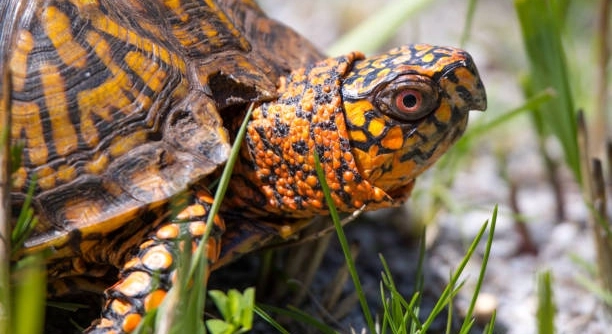
Moldy spots in a box turtle tank can be concerning for both the turtle and the tank environment. Mold growth is common in tanks with high humidity and inadequate ventilation. Taking care of this issue is essential for your turtle’s health.
Mold growth in box turtle tanks is often caused by excess moisture, poor airflow, and organic material buildup. It can affect your turtle’s health, leading to respiratory or skin problems. Addressing the problem involves cleaning, controlling humidity, and improving ventilation.
Solving mold issues can be simple with the right approach. By addressing moisture, cleaning the tank properly, and adjusting the environment, you can create a safer space for your box turtle to thrive.
Keep the Tank Clean and Dry
One of the simplest solutions to moldy spots is regular tank cleaning. A thorough cleaning helps remove organic debris like leftover food, feces, and dead plants, all of which can contribute to mold growth. Wipe down surfaces with a safe, non-toxic cleaner to remove any mold buildup. It’s also essential to clean the substrate, as mold can hide in bedding material. Be sure to replace any soiled bedding regularly.
Regularly changing the water and checking the humidity levels in the tank can also help prevent moisture buildup. Keeping the tank dry is essential in avoiding mold growth, so ensure your turtle’s environment stays clean.
Along with cleaning, you should remove any food leftovers immediately after feeding your turtle. Mold thrives on decaying organic material, so this step is crucial. Keeping the tank tidy and dry reduces mold growth significantly and ensures a healthier environment for your box turtle.
Control Humidity Levels
Managing humidity is key to preventing mold. Box turtles need a certain level of moisture, but too much moisture can cause problems. A hygrometer can be helpful in monitoring the tank’s humidity, which should stay between 60-80%. If the humidity gets too high, it creates an ideal environment for mold. A simple solution is to adjust the water dish, making sure it’s not overflowing. You can also use a fan to increase airflow, which can help maintain a proper humidity level.
Using a dehumidifier or a tank with proper ventilation also improves airflow. Ensure the tank has enough ventilation holes, as restricted airflow encourages mold growth. If the humidity remains consistently high, consider reducing the amount of water in the substrate, but never fully remove it, as box turtles still need moisture.
A dehumidifier can be an excellent tool in keeping humidity levels under control. This equipment helps maintain the right balance of moisture in the air while ensuring your box turtle’s habitat remains safe and comfortable. Regular checks of your tank’s humidity will keep mold growth in check and provide a stable environment for your pet.
Improve Airflow
Good airflow can make a huge difference in reducing mold growth. Ensure the tank has enough ventilation by adding extra holes if needed. A lack of air circulation can trap moisture inside, making it easier for mold to thrive.
Proper airflow keeps the tank dry, which is essential for a healthy environment. A small fan placed near the tank can help move the air around without disturbing your turtle. Make sure the fan doesn’t blow directly into the tank but creates general circulation. Also, keep the tank away from walls or corners where airflow is restricted.
In addition to improving airflow, you can consider placing your turtle’s tank in a well-ventilated area of the room. Avoid placing it in a damp, closed-off space like a basement. Allowing the room to have proper ventilation will help keep mold at bay, and it will provide a healthier environment for your turtle to enjoy.
Adjust the Substrate
The right substrate can help prevent mold growth. Certain bedding materials retain moisture more than others, creating a perfect spot for mold. Consider using substrates like cypress mulch, as it helps regulate moisture levels better than others. Avoid using materials like moss or soil that stay damp too long.
Changing the substrate regularly is important. If the substrate becomes overly wet or starts to smell, it should be replaced immediately. Even with proper ventilation, too much moisture in the substrate can still lead to mold growth. It’s a good idea to keep an eye on it to make sure it’s not too damp.
Some substrates may need to be sifted to remove moisture from deep inside. If the bedding material seems too wet, removing the excess moisture will prevent mold from forming. You can also allow the bedding to dry before replacing it, ensuring your turtle has a clean, safe space.
Use Natural Mold Removers
Natural mold removers can be a safe way to clean your tank. You can use diluted vinegar or hydrogen peroxide to scrub mold off surfaces. These substances are safe for your turtle when used in moderation. Just ensure the tank is well-rinsed after cleaning.
To clean, mix a solution of one part vinegar or hydrogen peroxide to one part water. Spray it on the affected areas, then scrub gently. After cleaning, thoroughly rinse the surfaces with clean water to remove any residual solution. This will help prevent your turtle from coming into contact with any chemicals.
Natural mold removers are often effective and safer than harsh chemicals. While they may take a little longer to work, they won’t leave harmful residues that could affect your turtle’s health. Always test the solution on a small area first to ensure it doesn’t harm the tank material.
Limit Moisture from Food
Moisture from uneaten food can contribute to mold growth. Remove any leftover food after your turtle finishes eating to prevent excess moisture. This is a simple step, but it helps in controlling the humidity levels.
Leftover food creates a perfect breeding ground for mold, especially when it’s wet. Be mindful of how much food you give your turtle, and remove anything uneaten within a few hours. Keeping food from decomposing in the tank reduces the chances of mold.
Check the Lighting
Proper lighting can help maintain a balanced humidity level. A good UVB light setup can dry out excessive moisture, while also providing your turtle with the necessary sunlight for its health. Ensure the light is on a timer and positioned correctly.
FAQ
How do I know if my box turtle’s tank has too much moisture?
You can tell if the tank has too much moisture by observing the humidity levels, the substrate, and the general condition of the tank. If the substrate feels soggy or if there’s a visible film or mold growing, it’s a sign that moisture is too high. Regularly check the humidity with a hygrometer to make sure it’s within the ideal range of 60-80%. Excess moisture can lead to mold growth, so it’s important to adjust the tank’s water levels or ventilation to prevent this.
What should I do if I find mold in my turtle’s tank?
First, remove your turtle from the tank to keep it safe. Then, remove the affected substrate and any other contaminated materials. Clean all surfaces with a mild, non-toxic cleaner or natural cleaning solutions like diluted vinegar or hydrogen peroxide. Make sure to rinse the tank thoroughly to avoid any residue. Once the tank is dry, add fresh bedding and set up proper ventilation to reduce future mold growth.
Is it safe to use bleach to clean the tank?
While bleach is an effective disinfectant, it is not recommended for cleaning a box turtle’s tank due to its potential to leave harmful chemical residues. Bleach can be toxic to turtles if not thoroughly rinsed off. If you choose to use bleach, make sure the tank is rinsed multiple times and fully dried before placing your turtle back in. Opting for safer alternatives like vinegar or hydrogen peroxide is generally a better choice.
How often should I clean my box turtle’s tank to prevent mold?
The tank should be cleaned at least once a week, but this can vary based on the size of your tank, the number of turtles, and the substrate used. Regular spot cleaning is also essential to remove uneaten food, waste, and debris that can contribute to mold growth. Check the humidity and cleanliness daily to catch any problems early.
Can mold harm my box turtle?
Yes, mold can be harmful to your box turtle. Mold can cause respiratory issues, skin irritation, or other health problems if your turtle is exposed to it. It’s important to act quickly when you spot mold and remove it safely from the tank. Keeping the environment clean, dry, and well-ventilated will help prevent mold and keep your turtle healthy.
What type of substrate is best for preventing mold?
Substrates like cypress mulch, coconut husk, and shredded aspen are good choices for preventing mold. These materials tend to have better moisture control and allow for proper ventilation compared to others. Avoid using substrates like moss or soil, as they retain moisture for longer periods, creating ideal conditions for mold growth.
Should I use a dehumidifier in my turtle’s tank?
A dehumidifier can be a helpful tool if you struggle with high humidity in the room or tank. While turtles need a certain level of moisture, too much can encourage mold growth. A dehumidifier can help maintain a balanced humidity level, but it should be used cautiously to ensure the environment remains suitable for your turtle’s needs.
How can I improve airflow in the tank?
Improving airflow is important for preventing mold growth. Make sure the tank has proper ventilation, such as holes or vents on the sides or top. If the tank is in a closed space, consider moving it to an area with better airflow. You can also use a small fan to circulate the air around the tank, but avoid pointing it directly at your turtle.
Can I keep my box turtle outside to reduce mold issues?
If the weather and environment are suitable, you can set up an outdoor enclosure for your box turtle. Outdoor enclosures typically have better ventilation and natural sunlight, which can help reduce humidity and prevent mold. However, it’s essential to ensure the enclosure has enough shelter, as extreme temperatures or humidity can still cause problems.
How do I prevent mold on my turtle’s food?
Always remove uneaten food promptly to prevent it from decaying in the tank. Wet food, like fruits and vegetables, should be eaten within a few hours to avoid excess moisture. You can also feed your turtle in a separate area outside the tank to prevent food from sitting in the substrate. This minimizes the chances of mold growing on the food.
Do I need a separate space for my turtle to drink water?
It’s helpful to provide a separate, clean water dish for your turtle to drink from. This prevents water from mixing with the substrate, which can increase moisture levels in the tank and lead to mold growth. Ensure the water dish is shallow and changed daily to keep it clean and fresh.
How can I tell if the tank is too dry for my turtle?
If the tank feels too dry or if your turtle seems dehydrated, it may be too dry for your turtle’s comfort. You may notice your turtle’s skin becoming dry or flaky. Check the humidity levels to make sure they’re within the proper range and consider adding more moisture to the substrate or increasing the humidity in the tank if needed. Proper humidity is crucial for your turtle’s health and hydration.
Keeping your box turtle’s tank free of mold is essential for its health and well-being. Mold can develop quickly in an environment with high moisture and poor airflow. By regularly cleaning the tank, maintaining proper humidity levels, and ensuring good ventilation, you can prevent mold growth and keep your turtle’s habitat safe. A clean tank not only helps prevent mold but also ensures that your turtle has a healthy and comfortable environment to live in. A little maintenance goes a long way when it comes to turtle care.
It’s important to remember that mold is just one of the many factors that affect the health of your box turtle. Proper care includes providing the right substrate, a balanced diet, appropriate lighting, and the right humidity. Keeping a close eye on all these aspects will create a stable environment for your turtle. If mold appears, don’t panic. Act quickly by cleaning the affected area and adjusting your tank setup to prevent it from happening again. Regular checks will help you catch issues early before they become a problem.
Ultimately, caring for a box turtle requires attention to detail and consistency. Ensuring the tank is clean, the humidity is managed, and airflow is good will reduce the chances of mold. While it may take a little extra effort, it is worth it to provide a healthy space for your turtle. Over time, keeping the environment balanced will help your box turtle thrive and stay free from health problems caused by mold or poor tank conditions. With proper care, your turtle will have a safe and comfortable home.

Hello,
If you enjoy the content that we create, please consider saying a "Thank You!" by leaving a tip.
Every little bit helps us continue crafting quality advice that supports the health, happiness, and well-being of pets around the world, for pets of all shapes, sizes, and species.
We really appreciate the kindness and support that you show us!