
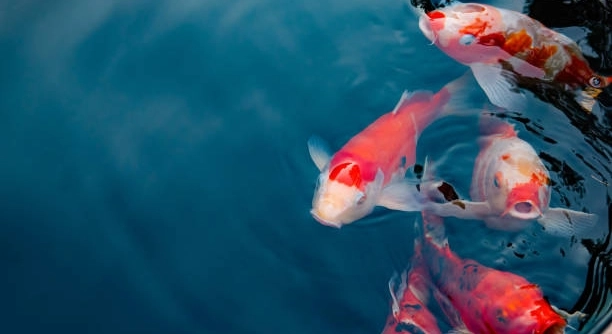
Koi fish are known for their calm and gentle nature. Many koi keepers want to understand what sounds attract their attention. Soft sounds play a unique role in interacting with these beautiful fish.
Seven soft sounds can effectively catch koi attention, including gentle tapping, water ripples, and subtle vibrations. These sounds mimic natural cues that koi recognize and respond to, encouraging curiosity and engagement in their environment.
Knowing which sounds koi respond to can help improve your interaction and care routines. These subtle cues make a big difference in building trust and connection with your fish.
Gentle Tapping Sounds
Soft tapping near the water surface can draw koi attention quickly. This sound resembles natural noises they might hear in ponds, such as raindrops or small creatures moving. When you gently tap the side of the tank or pond, koi often swim closer to investigate. This interaction can help build trust between you and your fish over time. The key is to keep the tapping slow and light, avoiding sudden or loud noises that may startle them. Gentle tapping signals curiosity rather than danger, which koi appreciate. It also creates a calm environment, encouraging koi to come out from hiding spots. Using this method regularly helps koi recognize your presence as non-threatening, increasing their comfort around you.
Tapping softly is an easy way to engage koi without stressing them. It creates a peaceful connection that koi respond to naturally.
Consistent gentle tapping can be a subtle but effective communication tool. Over time, koi may even begin to associate this sound with feeding or positive interaction, strengthening the bond you have with them. This method is simple and requires no special equipment, making it accessible for all koi keepers.
Water Ripple Sounds
Koi are very sensitive to changes in their environment, especially water movement. The soft ripple sound created by moving water attracts their attention. This noise mimics natural pond conditions where water gently flows or rain falls. Koi often swim toward these sounds, curious about the changes. Ripples can be created by small water features like fountains or by lightly disturbing the water surface with your hand. These sounds provide both stimulation and comfort for koi.
Water ripples signal a safe and active habitat, which koi prefer.
Water ripple sounds not only attract koi but also encourage natural behavior such as swimming and exploring. In a quiet pond or tank, the soft ripple noise breaks the silence and makes koi more alert and interactive. It also helps mask sudden, louder noises that might scare them. Regular use of water ripple sounds can improve koi activity and wellbeing by simulating a more natural environment, leading to happier, healthier fish.
Soft Vocalizations
Koi often respond to quiet, soft vocal sounds like gentle humming or whispering. These noises seem familiar and calming to them.
Soft vocalizations create a soothing atmosphere around koi, making them more comfortable. When you speak quietly near the pond, koi tend to approach, recognizing your presence without feeling threatened. This can help deepen the connection between keeper and fish. It’s important to keep your tone calm and steady to avoid startling them.
Over time, koi may learn to associate your soft vocal sounds with feeding or care time. This builds trust and anticipation. Such sounds mimic natural, gentle noises koi might hear in their environment, helping them relax. Regular use of soft vocalizations can improve koi interaction and reduce their stress in captivity.
Subtle Vibrations
Subtle vibrations in the water can attract koi without overwhelming them. These vibrations come from light movements or gentle tapping nearby.
Koi detect vibrations through sensory organs and respond by investigating or moving closer. Gentle vibrations signal changes in their environment without causing alarm. For instance, tapping the side of the tank lightly or placing fingers just below the water surface creates subtle waves koi notice easily.
These vibrations simulate natural water disturbances, encouraging koi to stay alert and engaged. Overuse or harsh vibrations can stress koi, so moderation is important. Subtle vibrations serve as an effective way to catch koi attention while maintaining a peaceful setting. This method supports their natural curiosity and helps in building familiarity.
Rustling Leaves
The soft rustling of leaves near the pond can catch koi attention. This natural sound signals movement without being loud or sudden.
Koi recognize this gentle noise as part of their environment. It invites them to explore and stay aware of their surroundings calmly.
Light Footsteps
Koi are sensitive to light footsteps near their pond. The quiet thud on the ground causes slight vibrations that draw their curiosity.
Soft Splashing
Soft splashes made by dropping small amounts of water into the pond attract koi. This gentle noise mimics rain or small creatures moving nearby, encouraging koi to come closer.
What sounds do koi find most comforting?
Koi are most comfortable with soft, natural sounds that resemble their environment. Gentle water ripples, light tapping, and quiet rustling are all calming to them. These sounds do not startle koi but instead signal a safe and familiar place. Koi use these noises to feel secure and relaxed in their habitat. Sudden loud noises or harsh vibrations tend to scare them, so keeping the sound environment gentle is important. Soft vocalizations from their keeper also add a comforting touch, helping koi to recognize familiar voices and associate them with care and feeding times.
How can I use sounds to feed my koi?
Using sounds to feed koi is quite effective. Many keepers gently tap near the water surface or softly call to their fish before feeding. These sounds signal koi that feeding time is near, prompting them to swim closer. Consistency is key—using the same gentle tapping or vocal tone daily helps koi make a connection between the sound and food. Over time, koi will approach the sound automatically, making feeding easier and more interactive. Avoid loud noises that might frighten them, as koi need a calm environment to feel comfortable enough to eat.
Are koi startled by loud noises?
Yes, koi are easily startled by loud or sudden noises. Because they have sensitive hearing and feel vibrations through their lateral line, sharp sounds or quick movements can trigger stress. This stress may cause them to hide or swim erratically, which is not healthy in the long run. Keeping the area around the pond quiet and calm helps koi stay relaxed. If construction, lawn mowers, or pets create loud sounds nearby, koi might become skittish. Minimizing exposure to these noises supports their well-being.
Do koi react to human voices?
Koi can recognize and react to human voices, especially if the tone is soft and calm. Speaking gently near the pond can encourage koi to swim closer, showing curiosity. Over time, koi may even learn to associate a specific voice with feeding or care routines. This interaction can strengthen the bond between keeper and fish. Harsh or loud voices, however, tend to frighten koi and should be avoided. Soft vocal tones work best for positive communication.
Can I use music to attract koi?
Koi respond best to natural, soft sounds rather than music. While some keepers try playing gentle music near their ponds, koi primarily react to vibrations and natural noises. Loud or complex music may confuse or stress them. Simple, quiet sounds like water movement or soft tapping are more effective. If you want to use music, keep it very low and choose calm, slow rhythms. Always observe koi behavior to ensure they are not disturbed by it.
How important is sound for koi well-being?
Sound plays a significant role in koi well-being. Natural and soft sounds create a sense of safety, reducing stress and promoting healthy behavior. Koi use sound and vibrations to explore their environment, find food, and detect potential dangers. A quiet, calm setting with gentle sounds encourages koi to swim freely and interact with their surroundings. Stress from loud noises or constant disturbances can weaken their immune system. Paying attention to the sound environment helps keep koi happy and healthy.
What should I avoid when trying to attract koi with sound?
Avoid sudden loud noises, rapid tapping, or harsh vibrations near the pond. These can startle koi and cause stress or hiding behavior. Also, avoid irregular or unpredictable sounds, as koi prefer consistent patterns. Do not use sharp voices or shout near the water. High volumes of music or noise from nearby equipment can negatively affect koi as well. Keeping sounds soft, steady, and natural is key to attracting and maintaining koi attention without causing discomfort.
Koi fish respond well to soft sounds that feel natural in their environment. These gentle noises help them feel safe and comfortable. Sounds like light tapping, soft splashes, and quiet rustling mimic what they would hear in a pond outside. When koi hear these sounds, they become curious and more willing to come closer. Using these noises regularly can help koi recognize their keeper’s presence without feeling scared. It is important to keep the sounds calm and consistent so the fish can get used to them. Loud or sudden noises can frighten koi and cause stress, so avoiding those is best for their well-being.
Soft sounds do more than just get koi attention; they also help build trust between the fish and their caretaker. When koi become familiar with certain sounds, they may associate them with feeding or friendly interaction. This makes caring for koi more enjoyable and less stressful for both the fish and the keeper. It is a simple way to communicate with koi without needing special tools or equipment. Just a few minutes of gentle tapping or quiet talking can make a difference in how koi respond and behave. Over time, this can lead to a stronger bond and better overall health for the fish.
Paying attention to the sound environment around your koi pond is an easy but effective way to improve their quality of life. Koi are sensitive creatures that rely on natural cues to feel safe. Keeping their environment peaceful and filled with soft, gentle sounds supports their natural behavior and reduces stress. When koi are calm and comfortable, they are more active and likely to show their beautiful colors. By using soft sounds thoughtfully, you create a space where koi can thrive and enjoy their surroundings. This simple approach benefits both the fish and the people who care for them.

Hello,
If you enjoy the content that we create, please consider saying a "Thank You!" by leaving a tip.
Every little bit helps us continue crafting quality advice that supports the health, happiness, and well-being of pets around the world, for pets of all shapes, sizes, and species.
We really appreciate the kindness and support that you show us!