
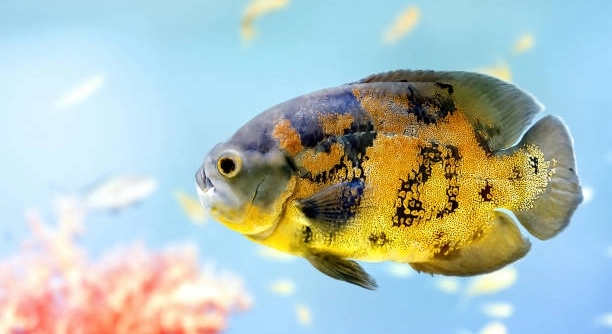
Oscar fish are beautiful, but they need special care to thrive in their tanks. Keeping them healthy involves more than just providing clean water. Some hidden dangers may affect their well-being, and it’s important to know what to watch out for.
There are several hazards in your Oscar fish tank that can harm your fish, such as sharp objects, poor water conditions, aggressive tank mates, and overcrowding. These factors can lead to stress, illness, or even injury if not addressed.
By identifying and managing these risks, you can provide a safer environment for your Oscar fish. The following points will help you recognize common hazards that might not be immediately obvious, but can affect your fish’s health.
Sharp Objects in the Tank
Sharp objects like broken decorations, rocks, or even aquarium equipment can cause harm to your Oscar fish. They are naturally curious and may explore everything in their environment. If any sharp edges are left in the tank, your fish could injure themselves while swimming or during feeding time.
Even small scratches can lead to infections that are difficult to treat. It’s important to regularly check your tank for any sharp items, especially after rearranging decorations or cleaning the tank. If you spot anything that might harm your fish, remove it immediately to keep them safe.
To prevent such hazards, consider using smooth, rounded decorations or materials that are specifically designed for fish tanks. Many aquarium stores sell fish-friendly items to reduce the risk of injury. Replacing broken items or avoiding sharp objects can help ensure that your Oscar fish stays happy and healthy.
Poor Water Conditions
Water quality plays a major role in the health of your fish. When water conditions are not ideal, your Oscar fish can become stressed, leading to illness. Keep an eye on factors like pH, ammonia, nitrate levels, and temperature to ensure they stay within a safe range for your fish.
Maintaining good water quality is not difficult if you regularly clean your tank and change the water. The filter should be checked and cleaned often to prevent the buildup of harmful substances. You also need to monitor the water temperature to ensure it stays within the recommended range for Oscars, which is typically between 74°F and 79°F.
To keep your water in top shape, invest in a reliable water test kit. This will help you detect any issues before they become serious problems. Remember that consistent water changes and proper filtration are the easiest ways to keep your Oscar fish healthy.
Aggressive Tank Mates
Oscar fish can be quite aggressive, especially as they grow larger. If you place them with overly aggressive or territorial tank mates, fights can break out, leading to injuries or stress. Choose tank mates carefully, considering their size and temperament.
Tank mates that are peaceful but too small are at risk of being attacked or eaten by your Oscar. Some fish, like catfish or large tetras, may be more suitable companions. It’s crucial to monitor interactions regularly and remove any fish that show signs of stress or aggression from the Oscar.
To avoid problems, introduce new fish slowly and always observe their behavior. If aggression arises, separating the fish temporarily may help. A tank with plenty of hiding spots and space will also give your Oscar room to establish its territory without conflict.
Overcrowding the Tank
Overcrowding a tank leads to poor water quality, increased aggression, and higher stress levels for your Oscar fish. Too many fish in one tank causes them to compete for resources like food and space. This can lead to sickness and make it difficult to maintain good water conditions.
It’s important to calculate the appropriate tank size for your Oscar, which usually requires at least 75 gallons for a single adult fish. This space gives your Oscar room to swim and establish territory. Overcrowding leads to stressed fish and weakens their immune systems, making them more prone to disease.
Also, overcrowding can increase the chances of territorial disputes. Your Oscar may become more aggressive, leading to fights and injuries. To ensure a peaceful and healthy environment, maintain a reasonable fish-to-tank ratio and provide your Oscar with adequate space.
Subpar Diet
Oscar fish are known to have big appetites, but feeding them the wrong diet can cause health problems. A poor diet may lead to obesity, digestive issues, or even organ failure over time. It’s important to feed your Oscar a balanced diet that includes both protein and vegetables.
Avoid feeding them only processed foods like pellets. While they are convenient, they lack the variety needed for your Oscar’s health. Fresh or frozen foods, such as worms, shrimp, and fish, will provide the nutrients they need to thrive. Incorporate vegetables like peas or spinach to round out their diet.
Variety in food helps prevent nutritional deficiencies and supports healthy growth. By feeding your Oscar a balanced and varied diet, you can ensure its long-term well-being. Fresh foods help maintain a healthy immune system, allowing your Oscar to fight off illness and stay active.
Tank Maintenance Neglect
Neglecting regular tank maintenance leads to poor water quality and harmful bacteria buildup. If you don’t clean the tank and change the water regularly, toxins like ammonia can accumulate, causing stress and health issues for your Oscar.
A weekly cleaning routine is crucial for keeping the tank in good condition. This includes scrubbing the glass, cleaning the filter, and vacuuming the substrate. Regular water changes help prevent harmful chemicals from building up. Keep an eye on the filter to ensure it’s working properly and replacing it when necessary.
Incompatible Water Parameters
Oscar fish require very specific water parameters to thrive. Temperature, pH, and hardness must be closely monitored to keep your fish healthy. If these parameters aren’t kept within the right range, your Oscar will become stressed and more susceptible to diseases.
The ideal temperature range for Oscars is between 74°F and 79°F. pH levels should be kept between 6.5 and 7.5 for optimal health. Make sure you have a reliable thermometer and water test kit to monitor these levels. Incorrect water parameters can weaken the immune system and lead to serious health issues.
FAQ
What is the best tank size for an Oscar fish?
An Oscar fish requires a large tank to thrive. A 75-gallon tank is the minimum recommended size for a single adult Oscar. As they grow, they need space to swim freely and establish their territory. The more room you can provide, the better. A larger tank will also help maintain better water quality, reducing the risk of stress and illness.
How often should I clean my Oscar fish tank?
You should clean your Oscar fish tank at least once a week. This includes changing 25-30% of the water, cleaning the filter, and vacuuming the substrate. Regular cleaning prevents the buildup of harmful toxins, which can negatively impact your fish’s health. In addition, always check the water parameters before and after cleaning to ensure they remain within the ideal range.
What can I feed my Oscar fish?
Oscar fish thrive on a balanced diet that includes both animal protein and plant matter. Their diet should consist of high-quality pellets, frozen or live foods like shrimp, worms, and fish, as well as occasional vegetables like peas and spinach. Variety is key to providing all the essential nutrients they need. Avoid feeding them too much processed food or overfeeding, as this can lead to obesity and other health issues.
Can I keep multiple Oscar fish in the same tank?
It is possible to keep multiple Oscar fish together, but it requires careful consideration. Oscars are territorial and can become aggressive toward each other. To minimize aggression, make sure your tank is large enough—preferably 100 gallons or more for two Oscars. Provide plenty of hiding spaces and monitor their behavior closely. If fights break out, you may need to separate them.
Do Oscar fish need a filter?
Yes, Oscar fish need a filter to keep the water clean and maintain healthy conditions. Oscars produce a lot of waste, so a strong filter is necessary to keep ammonia and nitrate levels in check. A good filter helps remove toxins, improve water circulation, and maintain clear water. Make sure the filter is rated for a tank larger than the actual size of your tank for better performance.
Can I keep other fish with my Oscar?
While Oscars can be kept with other fish, you need to be selective. They are aggressive and may attack smaller or more peaceful fish. Larger, more robust species like catfish or larger tetras can usually coexist with Oscars, but always observe their interactions. Avoid placing any fish that may be seen as prey, as Oscars are known to eat smaller tank mates. Make sure your tank has enough space for each fish to establish its own area.
What water temperature should I keep for my Oscar fish?
Oscar fish prefer a water temperature between 74°F and 79°F (23°C to 26°C). Maintaining the correct temperature is crucial for their health and well-being. Water that is too cold can cause stress and weaken the immune system, while water that is too warm may cause overheating and stress. A reliable heater and thermometer will help you maintain the ideal temperature range.
Why is my Oscar fish showing signs of aggression?
Oscar fish are naturally territorial and can become aggressive, especially as they mature. Aggression can be triggered by changes in the tank environment, overcrowding, or the presence of tank mates. If your Oscar is acting aggressively, it may be defending its territory. Providing plenty of space and hiding spots can help reduce conflicts. In some cases, aggression may be a sign of stress, so make sure the water quality and other tank conditions are optimal.
How can I prevent my Oscar from getting sick?
To prevent your Oscar from getting sick, focus on maintaining good water quality, providing a balanced diet, and keeping the tank clean. Monitor water parameters regularly to avoid fluctuations that could stress your fish. Quarantine new fish before introducing them to your tank to prevent the spread of disease. Finally, keep the tank temperature stable and make sure your Oscar gets the right nutrients to strengthen its immune system.
What are common diseases in Oscar fish?
Common diseases in Oscar fish include ich (white spot disease), fin rot, and swim bladder disease. Ich appears as white spots on the body and fins, while fin rot causes the fins to deteriorate. Swim bladder disease affects their buoyancy and swimming ability. Maintaining clean water, a balanced diet, and proper tank conditions will help prevent most diseases. If you notice symptoms, treat the fish promptly with the appropriate medication.
Can I use any decorations in my Oscar fish tank?
When choosing decorations for an Oscar fish tank, it’s important to avoid sharp or fragile items. Oscar fish are active and may unintentionally break or injure themselves on rough surfaces. Use smooth, sturdy decorations that won’t pose a risk to their health. Live plants are also a great addition but may need to be hardy enough to withstand their occasional nibbling. Always ensure there’s enough open swimming space for your Oscar.
How long do Oscar fish live?
Oscar fish typically live for 10-15 years, although some can live even longer with proper care. Their lifespan depends on factors such as water quality, diet, and overall tank maintenance. Keeping their environment stable and stress-free will help them live a long, healthy life. Regularly monitor their health and make adjustments as needed to ensure their well-being over the years.
Final Thoughts
Taking care of an Oscar fish requires more than just providing food and clean water. They are active, curious creatures that need a well-maintained environment to thrive. Understanding their specific needs, from tank size to water parameters, is key to keeping them healthy. Regular tank maintenance, such as water changes, filter cleaning, and checking water quality, ensures a stable habitat for your Oscar. Paying attention to their diet and providing a variety of foods helps support their growth and immune system, preventing common health issues.
Aggressive behaviors and territorial instincts are normal for Oscar fish, but they can be managed by providing enough space and selecting the right tank mates. Avoid overcrowding the tank and make sure that the other fish are compatible with Oscars. It’s also important to regularly check for potential hazards, like sharp objects, that could harm your fish. Creating a safe and peaceful environment will help reduce stress and aggression, allowing your Oscar to live comfortably.
By staying on top of tank maintenance, diet, and the overall environment, you’ll give your Oscar the best chance for a long, healthy life. These fish can live for many years with the right care, providing you with a beautiful and interesting companion. Watching them grow and thrive in a well-kept tank can be incredibly rewarding. Remember, being proactive and consistent in your care routine will make all the difference in ensuring your Oscar’s happiness and well-being.

Hello,
If you enjoy the content that we create, please consider saying a "Thank You!" by leaving a tip.
Every little bit helps us continue crafting quality advice that supports the health, happiness, and well-being of pets around the world, for pets of all shapes, sizes, and species.
We really appreciate the kindness and support that you show us!