
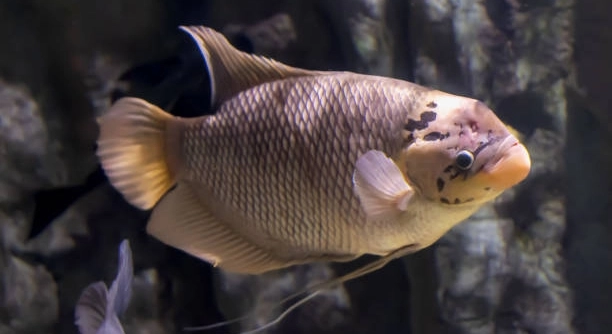
Giant gouramis are fascinating fish that live in freshwater environments and can grow very large. They have sensitive noses and react to different scents in their surroundings, which can influence their behavior and comfort.
Certain strong or chemical odors can irritate giant gouramis. These include perfumes, cleaning agents, ammonia, rotting food, excessive fish waste, moldy plants, and strong spices. Exposure to these smells may cause stress and impact their feeding and swimming patterns.
Knowing which smells to avoid is important for keeping your giant gourami calm and healthy in its tank environment.
Perfumes and Strong Scents
Many people enjoy wearing perfumes or scented lotions, but these can be overwhelming for a giant gourami. Their sense of smell is highly sensitive, and even mild fragrances may irritate them. Essential oils, scented candles, and air fresheners placed near the tank can also affect water quality slightly. Avoid spraying or applying strong scents close to the aquarium.
Even faint perfumes in the room can stress your fish, so keeping the environment neutral helps them stay calm and comfortable.
When your tank is exposed to perfumes or scented sprays, giant gouramis may swim erratically, hide, or reduce feeding. Maintaining an unscented environment ensures they can thrive and behave naturally. Regular water changes and gentle ventilation reduce lingering odors. Limiting scented products near the tank protects their sensitive noses and prevents long-term stress. You might notice that your gourami becomes more active and relaxed when the area around the aquarium is kept fresh but scent-free. Consistency matters because repeated exposure to strong smells can gradually affect their overall health and appetite, making it essential to monitor the surroundings carefully.
Cleaning Chemicals
Cleaning products like bleach, ammonia, or detergents can be harmful if they enter the tank even in small amounts.
Residue from household cleaners on hands, nets, or tank equipment can irritate the fish. Always rinse items thoroughly with water before placing them in the aquarium. Avoid using harsh chemicals near the tank, as fumes can spread and affect the fish over time. Even minor exposure may lead to stress or changes in behavior, including reduced activity and feeding. Gentle cleaning methods and mild, fish-safe products are safer alternatives. Regular tank maintenance without strong chemicals helps maintain healthy water and prevents unnecessary stress for your giant gourami. Keeping their environment natural and free of synthetic chemicals ensures that your fish will remain active, healthy, and comfortable over the long term, avoiding potential issues caused by exposure to harsh cleaning substances.
Rotting Food
Leftover food that decomposes in the tank creates strong odors that giant gouramis dislike. Uneaten flakes, pellets, or vegetables can quickly start to rot, affecting water quality and stressing your fish.
Rotting food produces ammonia and bacteria, which can harm your gourami’s gills and make swimming uncomfortable. It is important to remove uneaten food promptly after feeding. Feeding smaller amounts and observing how much your fish eats reduces waste. Regular siphoning and cleaning of the tank bottom prevent buildup. A clean feeding routine ensures your giant gourami stays healthy and avoids exposure to unpleasant smells.
Neglecting food removal may lead to cloudy water and foul smells in the tank. Over time, this can cause stress, reduce appetite, and even trigger illness. Observing your gourami’s behavior can help you notice early signs of discomfort. By keeping the tank clean and free of decaying food, you create a safer environment that supports growth and activity. Regular monitoring and careful feeding practices are key to maintaining a healthy, odor-free aquarium.
Moldy or Decaying Plants
Mold can develop on dead or decaying plants in the tank, releasing strong odors. This can irritate the sensitive noses of giant gouramis, leading to stress and avoidance behaviors.
Plants that are rotting or covered in fungus compromise water quality. Removing decayed leaves and trimming dying plants regularly prevents mold growth. Mold spores may float in the water, which can impact breathing and feeding. Choosing hardy, slow-decaying plants helps reduce maintenance while keeping the tank clean. The presence of mold can attract unwanted bacteria, so timely removal is crucial. Keeping plants healthy and checking them frequently ensures the tank remains safe and comfortable for your gourami.
Maintaining a routine for plant care reduces odors and supports water quality. Healthy plants help oxygenate the water, provide hiding spots, and create a natural environment your giant gourami enjoys. Decaying plants produce not only smells but also toxins that stress fish over time. By promptly removing dead foliage and replacing it when necessary, you prevent mold from taking hold. This proactive approach keeps the tank visually appealing and chemically balanced, making your fish more active and less prone to illness. Regular plant monitoring is essential for a stable and enjoyable aquarium environment.
Strong Spices
Strong spices, like chili or garlic, can irritate giant gouramis if they accidentally enter the tank. Their sensitive sense of smell reacts quickly to these intense odors, causing stress or avoidance.
Even traces of spices from hands or utensils can impact the fish. Always wash thoroughly before touching the tank or feeding.
Excessive Fish Waste
Accumulated fish waste produces ammonia and unpleasant smells that giant gouramis dislike. Uneaten food worsens the problem by feeding bacteria that decompose waste faster. Regular cleaning and monitoring water parameters are essential to keep the tank safe and odor-free.
Maintaining proper filtration and performing frequent water changes helps reduce waste buildup. Skipping these steps can stress your gourami, reduce appetite, and affect overall health. A well-maintained tank ensures stable water conditions, promoting healthy behavior and growth for your fish over time.
Ammonia Smell
Ammonia forms in the tank from decaying food and waste. Its strong odor can irritate giant gouramis and harm their gills if left unchecked.
Regular testing and water changes prevent ammonia buildup, keeping the tank safe and comfortable.
How can I tell if my giant gourami is stressed by smells?
Giant gouramis show stress through changes in behavior. They may swim erratically, hide more often, or stop eating. Rapid gill movement or staying near the surface for long periods can also indicate discomfort. Observing these signs regularly helps you identify environmental issues before they become serious.
Stress from smells often comes from perfumes, cleaning chemicals, rotting food, or decaying plants. A sudden change in water quality, cloudiness, or unusual odor can be a clue. By keeping the tank clean and free from strong scents, you create a more stable environment.
What are the safest ways to clean my tank without disturbing my gourami?
Avoid using bleach, ammonia, or harsh detergents. Opt for fish-safe cleaning solutions or just rinse equipment with hot water. Always remove uneaten food and debris with a siphon and trim decaying plants carefully. Gentle cleaning reduces stress and keeps water quality high.
Rinsing hands thoroughly before touching the tank prevents transferring chemicals or scents. Avoid sprays or scented lotions nearby. Regular water changes, even small ones, help maintain stability and reduce odors. Using a soft brush or cloth for decorations prevents accidental scrubbing of beneficial surfaces that support healthy bacteria.
Can leftover food really affect my fish this much?
Yes, leftover food can rot quickly, producing strong odors and ammonia. This can irritate gills and stress the fish. Feeding smaller portions and removing uneaten food after a few minutes prevents buildup. Regular tank vacuuming removes waste that sinks to the bottom.
Overfeeding is common and can lead to cloudy water or unpleasant smells. The fish may reduce feeding naturally if the water becomes uncomfortable. Observing how much your gourami eats and adjusting portions daily keeps the tank cleaner and safer. Proper feeding routines promote health, prevent excess waste, and reduce stress from unpleasant smells.
Are plants necessary, and how do they impact tank smells?
Plants help oxygenate water and provide hiding spaces, but decaying or moldy plants release odors that annoy giant gouramis. Trimming dying leaves and removing rotting parts keeps the tank clean. Choosing hardy plants that decay slowly reduces maintenance and prevents unwanted smells.
Plants also help balance water chemistry by absorbing some nutrients and waste. Healthy plants support a stable environment, while decaying ones can produce toxins and irritants. Monitoring plant health and removing spoiled leaves ensures your fish remain comfortable and the water stays clear. A balanced mix of live plants can enhance the tank aesthetically and functionally.
What should I do if ammonia or strong chemical smells appear in the tank?
Test the water immediately to check ammonia, nitrite, and nitrate levels. If ammonia is high, perform a partial water change and ensure filtration is working properly. Remove any sources of strong odors like decaying food, plants, or cleaning residues.
Regular maintenance prevents future spikes in ammonia. Avoid introducing chemicals or scented items near the aquarium. Adding activated carbon or water conditioners designed for fish can help remove residual odors. Observing the fish after water adjustments ensures they return to normal behavior. Maintaining a calm, odor-free environment is essential for long-term health and activity.
How can I prevent my giant gourami from being annoyed by smells?
Keep the tank clean, feed appropriate portions, and remove decaying plants and uneaten food promptly. Avoid using scented products or harsh cleaning agents near the aquarium. Regular water changes and proper filtration reduce waste and prevent buildup of irritating smells.
Monitoring your fish daily helps detect early signs of stress. Maintaining a consistent routine with feeding, cleaning, and plant care keeps the environment stable. Proper tank placement away from strong odors and regular inspection of water quality ensures your giant gourami stays healthy, active, and comfortable in its home.
Keeping a giant gourami healthy involves more than just feeding and watching it swim. These fish have sensitive noses and can be easily stressed by strong odors in their environment. Smells from perfumes, cleaning chemicals, rotting food, moldy plants, and ammonia can irritate them. Stress can affect their behavior, causing them to hide, swim erratically, or reduce feeding. By being mindful of the scents around their tank, you help your gourami feel calm and secure. Small changes in the environment, like removing decaying plants and leftover food promptly, can make a big difference in their overall well-being.
Regular tank maintenance is crucial for preventing unwanted smells and keeping water quality high. Changing water frequently, cleaning decorations gently, and using proper filtration help remove waste and chemicals before they accumulate. Avoid using scented products or harsh cleaning agents near the aquarium, as fumes can spread into the water. Observing your fish daily helps you notice subtle changes in behavior that may indicate discomfort. A clean and stable tank allows your giant gourami to swim freely, feed normally, and enjoy its surroundings without unnecessary stress. Consistency in these practices builds a healthy routine that benefits both you and your fish.
Providing the right environment for a giant gourami also includes attention to plants, food, and overall tank care. Live plants help maintain water balance and offer hiding spaces, but decaying or moldy plants can create strong odors, so they must be trimmed regularly. Feeding the fish in proper portions prevents leftover food from rotting and producing harmful smells. Keeping the tank free of excess waste and chemical residues ensures that your gourami’s home remains comfortable. Paying attention to these details helps your fish thrive and grow, making tank care easier and more rewarding. By focusing on cleanliness, safe practices, and careful observation, you can support a healthy, stress-free environment that encourages your giant gourami to live happily and actively.

Hello,
If you enjoy the content that we create, please consider saying a "Thank You!" by leaving a tip.
Every little bit helps us continue crafting quality advice that supports the health, happiness, and well-being of pets around the world, for pets of all shapes, sizes, and species.
We really appreciate the kindness and support that you show us!