
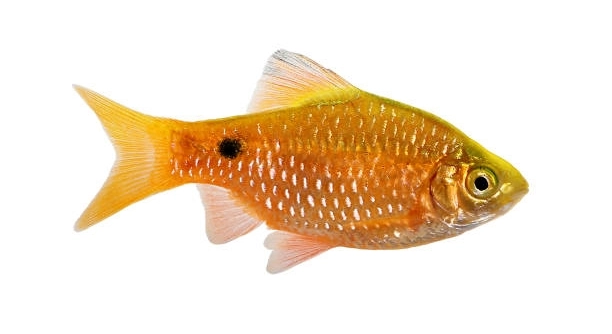
Are your Rosy Barbs darting around restlessly or hiding more than usual, leaving you worried about their well-being and comfort?
The most effective way to lower Rosy Barb stress levels is by creating a calm, stable environment with consistent water conditions, proper tank mates, and adequate space. These elements significantly reduce anxiety and promote natural behavior.
There’s more to keeping Rosy Barbs happy than just feeding them right—small changes in their environment can make a big difference in their overall mood.
Give Them Enough Room to Swim
Rosy Barbs are active swimmers, so a crowded tank can make them feel uneasy. A 30-gallon tank is the minimum for a small group, but bigger is always better. These fish thrive in groups of five or more, and having open swimming space is important. Without it, they may chase each other or hide more often. Plants and decorations are helpful, but they should not take up too much space. Keep the middle and top areas of the tank open, as that’s where Rosy Barbs usually spend their time. If they are bumping into objects or staying still in corners, that can be a sign they feel stressed. The right tank setup gives them space to move freely while still offering some hiding spots for comfort. Proper spacing helps lower tension, reduces aggressive behavior, and encourages natural movement, which leads to a calmer, healthier tank.
A small tank limits their ability to swim and interact normally, which can quickly lead to stress.
Choose a tank size that suits both their activity level and group size. Keeping them in a spacious, balanced layout supports calmer behavior and gives them the freedom to swim naturally and feel more secure.
Maintain Consistent Water Conditions
Rosy Barbs are hardy, but they don’t respond well to sudden changes in water parameters. Temperature swings, pH shifts, or high ammonia levels can cause them to feel stressed quickly.
Keep the water temperature stable between 72°F and 78°F, and avoid frequent or large shifts during water changes. Use a reliable heater and thermometer to monitor conditions daily. Aim for a pH level between 6.5 and 7.5, and test the water weekly to stay ahead of any imbalances. Regular water changes—about 20–25% each week—are also helpful. Always treat tap water with a conditioner to remove chlorine and chloramine before adding it to the tank. Watch for signs like faded color, rapid breathing, or erratic swimming, as these may point to water-related stress. Clean filters regularly and avoid overfeeding to keep waste levels down. Simple routines can go a long way in keeping Rosy Barbs stable and less stressed in their environment.
Choose Calm and Compatible Tank Mates
Rosy Barbs can become stressed if kept with fish that nip fins or show constant aggression. Fast, active fish like Zebra Danios or other peaceful barbs make better companions in a community tank setting.
Avoid slow-moving or long-finned species like Bettas and Angelfish, as Rosy Barbs may nip at them, especially when they feel overcrowded or bored. Stress from social mismatch can lead to hiding, chasing, or loss of appetite. Keeping Rosy Barbs in a group of at least five helps them focus their energy within their own kind, reducing unwanted behavior toward others. Tank mates should be close in size and just as active. If a fish is being chased constantly or hiding all the time, it may be a sign that it doesn’t belong in that setup. Pairing the right species helps keep the tank more peaceful, leading to lower stress levels for everyone involved.
Even in a peaceful tank, keep an eye on social behavior. If aggression increases or certain fish seem overly nervous, it might be worth rearranging the layout or rethinking the group dynamic. Subtle changes in behavior often give the first clues when something isn’t right, so it’s helpful to stay observant and make adjustments as needed.
Reduce Loud Noises and Sudden Vibrations
Loud sounds and quick movements near the tank can startle Rosy Barbs, especially if they happen often. Placing the tank in a quiet, low-traffic area helps keep stress levels down.
Avoid placing the tank near TVs, speakers, or doors that are used frequently. Vibrations from slamming doors or loud bass can travel through the glass and unsettle the fish. Keep tank maintenance calm and steady—sudden hands in the water or shaking decorations can cause panic. Try to use soft lighting and avoid switching the tank light on and off quickly. When cleaning or feeding, approach slowly and predictably. Rosy Barbs will learn your routine and become more relaxed over time if everything stays consistent. Reducing noise and motion makes the tank feel like a safer space, which encourages natural behavior like group swimming and feeding. Keeping things calm on the outside helps things stay calm inside the tank, too.
Add Hiding Spots for Security
Hiding spots help Rosy Barbs feel secure when they’re overwhelmed or overstimulated. Use live plants, smooth rocks, or small decorations with openings where they can briefly retreat when needed.
Even active fish like Rosy Barbs appreciate quiet spaces to relax. A few tucked-away areas help lower their stress without limiting their swimming space.
Feed a Balanced Diet at Regular Times
Feeding your Rosy Barbs a consistent, high-quality diet plays a big role in their stress levels. Offer a mix of flakes, pellets, and occasional treats like blanched vegetables or frozen bloodworms. Avoid overfeeding, as leftover food can ruin water quality. Feeding once or twice a day at the same time creates a predictable routine that comforts your fish. They start to recognize feeding cues, which reduces anxiety and builds trust. Make sure all fish in the group are eating properly, as dominant ones may try to eat more. A balanced, steady diet supports healthy digestion, boosts color, and keeps your Rosy Barbs energetic and more at ease overall.
Limit Sudden Changes in Routine
Rosy Barbs respond best when their environment stays steady. Frequent changes in lighting, feeding, or tank layout can cause them to feel unsettled or act out. Keep routines predictable to support calm behavior.
How can I tell if my Rosy Barbs are stressed?
Stressed Rosy Barbs often show signs like hiding more than usual, losing their bright color, or swimming erratically. You might also notice them breathing rapidly or staying still at the bottom of the tank. Sometimes, they may nip at their own fins or other fish. Changes in appetite or sluggish behavior can also indicate stress. Watching their daily behavior closely will help you spot these warning signs early. The sooner you notice, the quicker you can adjust their environment to help them feel better.
What is the best tank size for Rosy Barbs to avoid stress?
A tank of at least 30 gallons is recommended for a small group of Rosy Barbs. These fish are active swimmers and need plenty of room to move around. Keeping them in a cramped tank can increase aggression and cause stress. Providing enough swimming space allows them to display natural behaviors like schooling and exploring. Bigger tanks also help maintain more stable water conditions, which is important for reducing stress over time.
Are live plants necessary to reduce stress in Rosy Barbs?
Live plants are very helpful but not strictly necessary. They provide hiding places and create a more natural environment, which makes the fish feel safer. Plants also improve water quality by absorbing nitrates. However, if live plants are hard to maintain, smooth decorations or artificial plants with plenty of hiding spots can work too. The key is to balance open swimming space with areas where they can retreat when feeling stressed.
How often should I change the water to keep Rosy Barbs comfortable?
Changing about 20 to 25% of the water weekly is ideal. This helps remove toxins and keeps water parameters stable. Sudden large water changes can shock the fish and increase stress, so it’s best to keep water changes consistent and gradual. Always treat tap water to remove chlorine and chloramine before adding it to the tank. Maintaining clean water supports their immune system and promotes calm behavior.
Can Rosy Barbs live with other fish without getting stressed?
Yes, but it depends on the tank mates. Rosy Barbs do well with other peaceful, active fish of similar size. Avoid slow-moving or long-finned fish that might be nipped. Aggressive or very shy species can also cause stress. Keeping Rosy Barbs in groups of five or more helps reduce their chasing behavior and spreads social energy within their own kind, which lowers stress.
What should I do if my Rosy Barbs start fighting?
Fighting usually happens when the tank is overcrowded or lacks enough space and hiding spots. First, check the tank size and group size. Adding more swimming room or more Rosy Barbs can sometimes help by balancing their social structure. Also, add hiding places to reduce direct confrontations. If fights continue, you may need to remove the most aggressive fish or rearrange the tank layout to break up territories.
Does the lighting affect Rosy Barb stress levels?
Yes, sudden bright lights or constant flashing can stress Rosy Barbs. They prefer moderate lighting that mimics natural daylight. Avoid turning the lights on and off quickly. Using a timer helps keep a steady day-night cycle, which supports their internal rhythm and reduces anxiety. Soft, indirect light also makes the tank more comfortable for them to explore and rest.
How important is feeding routine for Rosy Barbs’ stress?
Feeding on a regular schedule is very important. Rosy Barbs get used to feeding times and begin to relax when they know food is coming. Irregular feeding or overfeeding can upset their routine and water quality, leading to stress. Offer balanced food and avoid leaving excess uneaten food to keep the tank clean and the fish healthy.
What are common causes of stress besides water and tank mates?
Noise and vibrations outside the tank can unsettle Rosy Barbs. Loud TVs, slamming doors, or sudden movements near the tank may startle them. Placing the tank in a quiet, stable area with minimal traffic helps reduce this type of stress. Also, changes in temperature or light cycles that happen too fast can cause anxiety. Consistency is key in keeping Rosy Barbs calm and happy.
Can I use medications to reduce stress in Rosy Barbs?
Medications should only be used if there is a diagnosed illness or parasite problem. They are not a solution for general stress caused by environmental issues. Treating the tank with medicines unnecessarily can harm beneficial bacteria and upset the balance, making stress worse. Focus first on improving tank conditions, water quality, and social factors before considering medication.
How does group size impact Rosy Barb stress?
Rosy Barbs are schooling fish and feel safer in groups of five or more. Smaller groups or solitary fish often become stressed and display aggressive or shy behavior. Larger groups distribute social energy and reduce bullying. Keeping the right group size encourages natural schooling and helps each fish feel more secure within the tank.
What is the role of tank decorations in lowering stress?
Tank decorations provide hiding spots and break lines of sight, reducing direct confrontations between fish. This helps shy or stressed individuals feel safe. However, too many decorations can overcrowd the tank and limit swimming space, which is also stressful. Aim for a balance: enough hiding places without limiting open areas for swimming and schooling behavior.
How do temperature fluctuations affect Rosy Barbs?
Sudden temperature changes can shock Rosy Barbs, causing stress and weakening their immune systems. Keep the water temperature stable between 72°F and 78°F. Using a reliable heater and thermometer helps maintain this range. Avoid placing the tank near windows or heating vents where temperatures may shift quickly. Stable temperatures support healthy metabolism and calm behavior.
Are there signs that a stressed Rosy Barb is recovering?
Yes, signs of recovery include returning color brightness, normal swimming patterns, and active feeding. The fish may spend more time swimming in groups and less time hiding. Reduced aggression and calmer movements also indicate they are feeling better. Recovery takes time, so continue maintaining a stable environment and be patient.
Is it necessary to quarantine new fish before adding them to the Rosy Barb tank?
Quarantining new fish is highly recommended to prevent introducing diseases or parasites that can stress your existing fish. A separate tank for at least two weeks allows observation for any signs of illness. Healthy new additions reduce the risk of stress and infection in the main tank. Proper quarantine protects the entire community’s health.
Keeping Rosy Barbs happy and stress-free takes a bit of attention to their environment and daily care. These fish are lively and social, so they need enough space to swim and other Rosy Barbs to school with. A crowded tank or poor water conditions can quickly make them feel uneasy and cause behavior problems. By providing a roomy tank with clean, stable water and calm tank mates, you give them the best chance to stay calm and healthy. Small details, like adding hiding spots and keeping a steady feeding schedule, also help reduce their stress.
It’s important to watch how your Rosy Barbs behave each day. Changes in color, appetite, or activity levels can be signs of stress or illness. When you spot these early, it’s easier to fix any problems before they get worse. Sometimes stress comes from simple things like loud noises near the tank or sudden changes in light or water temperature. Taking steps to create a peaceful environment helps them feel safe and encourages natural swimming and social behaviors. Keeping the tank clean and checking water regularly are easy habits that go a long way in preventing stress.
Overall, caring for Rosy Barbs is about balancing their needs for space, social interaction, and a stable environment. They respond well to routines and gentle handling, so avoid sudden changes or disruptions when possible. When your fish seem comfortable, you’ll see their bright colors and active personalities shine through. These small efforts in tank care not only reduce stress but also help your Rosy Barbs live longer, healthier lives. With patience and consistent care, your tank can become a calm and lively home for these beautiful fish.

Hello,
If you enjoy the content that we create, please consider saying a "Thank You!" by leaving a tip.
Every little bit helps us continue crafting quality advice that supports the health, happiness, and well-being of pets around the world, for pets of all shapes, sizes, and species.
We really appreciate the kindness and support that you show us!