
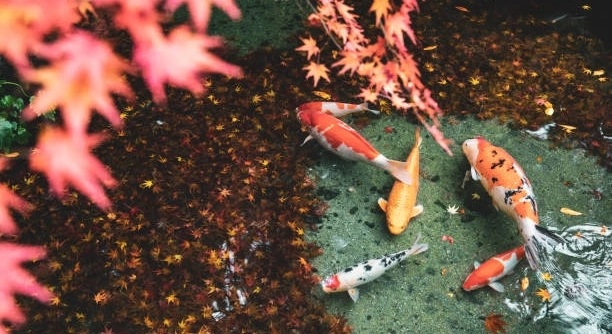
Are your koi pond waters looking cloudy, leaving your fish harder to see and enjoy? Maintaining clear water can feel like an ongoing task, especially when small issues build up over time and disrupt the balance.
The key to keeping water clear for koi is maintaining proper filtration, reducing organic waste, and ensuring balanced water chemistry. Regular pond maintenance, including debris removal and water testing, helps prevent murky water and supports a healthy aquatic environment.
From pond design to plant choices, these tips will help you create a cleaner, healthier space for your koi to thrive in.
Use a Quality Filtration System
A reliable filtration system is the backbone of any clean koi pond. It helps remove solid debris, excess food, and waste that would otherwise cloud the water. Mechanical filters catch large particles, while biological filters promote helpful bacteria that break down harmful substances like ammonia and nitrites. Skimmers are useful for catching leaves and other surface debris before they sink. Together, these elements help keep the water balanced and safe for koi. Regularly clean and maintain your filter system to keep it running smoothly. Replace worn-out parts when needed to avoid buildup and blockages that can lead to cloudy conditions.
A good filter doesn’t just clear the water—it supports your koi’s health. Cleaner water reduces stress and prevents disease, which means your fish stay more active and vibrant. It also keeps algae under control, making the pond easier to enjoy and care for.
Make sure to match your filter’s capacity to the size and fish load of your pond. Oversized filters are better than ones that are too small. Check the manufacturer’s guidelines for best results.
Remove Debris Often
Leaves, dead insects, and uneaten food break down quickly and cloud the water. Removing this waste before it settles helps prevent problems.
Cleaning your pond regularly plays a big part in water clarity. Organic matter that sinks to the bottom begins to rot, which not only releases unwanted nutrients into the water but also disrupts the balance your koi need to thrive. Use a net to skim the surface daily, especially during fall when leaves drop often. A pond vacuum can help with cleaning the bottom without needing to drain the water. You might also consider adding a skimmer basket if your pond doesn’t already have one. It works automatically and saves time. Staying ahead of debris build-up means your water will look better, smell fresher, and be healthier for your koi in the long term. Keep an eye on windy days, as more material tends to blow in and collect quickly.
Avoid Overfeeding Your Koi
Overfeeding leads to uneaten food sinking to the bottom, which can cloud the water and increase harmful waste. Feed your koi only what they can finish in about five minutes, and remove any leftovers right after to keep the water clean and balanced.
Feeding your koi too much can throw off the pond’s natural balance. The more food they consume, the more waste they produce. Excess waste feeds algae and encourages cloudy water. Stick to a regular feeding schedule and adjust the amount based on the water temperature. Koi eat less when the water is cooler, so offering the same amount year-round can cause buildup. Observe your koi during feeding. If they lose interest quickly, reduce the portion. Proper feeding not only helps water quality but keeps your koi healthier and more active. It also saves money on food and reduces the need for extra maintenance.
Choose high-quality koi food with balanced nutrients and minimal fillers. Lower-quality food breaks apart easily in water and contributes more to cloudiness. You’ll notice better results with cleaner water and healthier fish by investing in proper feed. Store food in a cool, dry place to keep it fresh, and avoid expired products that may spoil quickly in water.
Add Plants for Natural Balance
Aquatic plants absorb excess nutrients that would otherwise feed algae. They also provide shade, which slows algae growth and keeps water cooler during warm months. Adding a variety of plants improves the pond’s appearance while naturally helping to clear the water.
Plants do more than just make your pond look better—they help maintain a stable, cleaner environment for koi. Floating plants like water lettuce and water hyacinths block sunlight and reduce algae. Submerged plants like hornwort absorb nutrients directly from the water. Marginal plants along the pond’s edge add coverage and help with nutrient uptake. Choose a mix of these types to get the best results. Don’t overcrowd your pond with plants, though. Leave enough open space for your koi to swim freely. Regularly trim dead leaves and remove decaying parts so they don’t break down and affect water quality. Healthy plants make a noticeable difference in clarity.
When introducing new plants, rinse them well to avoid bringing in unwanted pests or parasites. Secure plants in pots or planting baskets so they don’t float freely and disturb your pond’s balance. If you notice koi nibbling too much on the plants, consider adding protective mesh around the roots. With the right setup, plants will quietly support water clarity year-round.
Test and Balance Water Regularly
Testing the water helps you catch problems before they affect your koi. Check levels for ammonia, nitrites, nitrates, pH, and hardness at least once a week. Balanced water keeps your fish healthy and the pond looking clear and fresh.
Use a reliable pond test kit and keep a simple log to track trends. If something looks off, small adjustments are easier than big fixes later. Regular testing lets you stay ahead of algae blooms and other water clarity issues without guessing.
Do Partial Water Changes
Replacing about 10–20% of the water every week helps remove excess nutrients and refresh the pond. Use a dechlorinator if you’re adding tap water. Try to match the temperature of the new water to avoid stressing your koi. Small, frequent water changes are better than one large change.
Limit Direct Sunlight
Too much sunlight encourages algae growth, which clouds the water fast. Adding floating plants or using a shade sail can block harsh rays. Keeping part of the pond shaded helps regulate water temperature and keeps algae under control.
How often should I clean my koi pond filter?
Cleaning your filter depends on the pond size and fish load but generally once every 2 to 4 weeks is enough. If you notice reduced water flow or cloudy water, it’s time to clean. Rinse filter media gently with pond water to preserve beneficial bacteria. Avoid harsh chemicals or tap water that can kill these helpful bacteria. Keeping the filter clean ensures it works efficiently to maintain clear water and a healthy environment for your koi.
Can I use household chemicals to clear cloudy water?
It’s best to avoid household chemicals like bleach or detergents. These can harm your koi and upset the pond’s natural balance. Instead, use products specifically designed for pond care, such as water clarifiers and beneficial bacteria additives. These options help break down waste safely and clear the water without harming fish or plants. Always follow the product instructions carefully and avoid overuse to keep your pond healthy.
What causes green water in my koi pond?
Green water usually comes from free-floating algae growing in sunlight. Excess nutrients, like leftover food and fish waste, feed the algae. Overfeeding and too much sunlight worsen this problem. Adding plants for shade and balance, reducing feeding, and maintaining good filtration can help control green water. Using a UV clarifier is also effective in clearing green water by killing algae spores.
Is it necessary to aerate my koi pond?
Aeration is important for oxygen levels, especially in warmer months. Oxygen helps beneficial bacteria break down waste and keeps koi healthy. Aerators, waterfalls, or fountains improve water circulation and oxygen exchange at the surface. Without enough oxygen, fish become stressed, and water quality suffers. Adding aeration devices can make a big difference in maintaining clear water and a stable environment.
How much water should I change at once?
Changing 10 to 20 percent of the water weekly is ideal. Small, frequent water changes remove nutrients and waste without shocking your koi. Large water changes can cause sudden changes in water chemistry and temperature, stressing your fish. Always use a dechlorinator when adding tap water to remove harmful chlorine and chloramines. Matching the new water’s temperature to the pond helps keep koi comfortable.
Can cloudy water harm my koi?
Cloudy water itself is not always harmful, but it often indicates an imbalance or poor water quality. Suspended particles and excess nutrients can reduce oxygen and cause stress to koi. Poor water quality makes fish more vulnerable to disease. Clearing the water improves their living conditions and supports long-term health. Keeping the pond clean, filtered, and balanced helps prevent problems before they start.
Are there natural ways to clear pond water?
Yes, natural methods like adding aquatic plants, maintaining beneficial bacteria, and avoiding overfeeding help keep water clear. Plants absorb excess nutrients and provide shade, reducing algae growth. Beneficial bacteria break down waste into less harmful substances. Regular debris removal and partial water changes also support natural balance. These methods create a stable ecosystem where koi and plants thrive with minimal chemical use.
What should I do if my pond water turns cloudy suddenly?
Sudden cloudiness can result from filter issues, heavy rain, or overfeeding. Check the filter for clogs and clean it if necessary. Remove any excess debris or uneaten food. Test water parameters to identify chemical imbalances. Partial water changes help dilute pollutants. Avoid feeding fish until the water clears to reduce waste. Addressing these factors quickly prevents long-term problems and helps restore clarity.
Is algae harmful to koi fish?
Algae itself is not harmful in small amounts and provides oxygen during the day. However, excessive algae growth can deplete oxygen at night and release toxins. Thick algae blooms block sunlight and make the pond unattractive. Controlling algae through filtration, plants, and reduced feeding protects koi health and water clarity. Balance is key to preventing algae from becoming a problem.
How can I prevent cloudy water during hot weather?
Hot weather speeds up algae growth and reduces oxygen levels. Increase aeration and filtration during summer months. Add floating plants for shade and reduce feeding amounts. Perform more frequent partial water changes to remove excess nutrients. Avoid direct sunlight by installing shade structures or using taller plants around the pond. These steps help maintain clear water and a healthy environment when temperatures rise.
Maintaining clear water in your koi pond takes regular care and attention. It’s important to keep the water balanced by using a good filtration system and removing debris often. Overfeeding your fish or letting waste build up can quickly cloud the water, so feeding just the right amount is key. Adding aquatic plants not only looks nice but also helps absorb extra nutrients, making the pond healthier overall. Keeping an eye on water quality through regular testing and partial water changes ensures your koi live in a stable environment. These steps, done consistently, prevent many common problems that cause cloudy or unhealthy water.
It’s normal for ponds to face challenges like algae growth or debris buildup, especially during seasonal changes. Avoid quick fixes that rely on harsh chemicals, as they can harm your fish and plants in the long run. Instead, focus on natural and steady methods like balancing feeding, adding shade, and supporting beneficial bacteria. Simple habits such as cleaning your filter regularly and checking water parameters help keep issues from getting worse. Even small changes, like limiting direct sunlight or using a pond vacuum, can have a big impact on water clarity. Over time, these actions make maintaining a clear pond easier and more manageable.
Remember that a clear koi pond isn’t just about appearance—it’s about creating a healthy home for your fish. When water is clear and balanced, koi are less stressed and more active. Healthy fish are less likely to get sick and can live longer, happier lives. Paying attention to water quality and pond maintenance takes effort but is very rewarding. Watching your koi swim in clear, sparkling water is a sign that your care is working well. Keeping up with these practices ensures your pond stays beautiful and your koi stay healthy for years to come.

Hello,
If you enjoy the content that we create, please consider saying a "Thank You!" by leaving a tip.
Every little bit helps us continue crafting quality advice that supports the health, happiness, and well-being of pets around the world, for pets of all shapes, sizes, and species.
We really appreciate the kindness and support that you show us!