
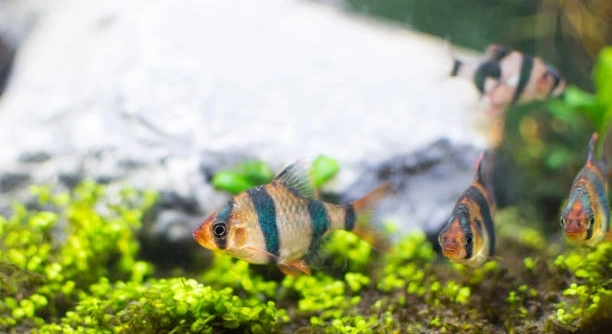
Is your tiger barb’s tank starting to feel a bit dull, even though you’ve done your best to keep things clean and stable?
The best way to enrich a tiger barb’s tank is to create a dynamic environment with hiding spots, plants, and interactive elements. These changes can help reduce stress, encourage natural behavior, and improve overall fish health.
With just a few smart changes, you can transform their space into something more stimulating and enjoyable for both you and your fish.
Add Real Plants for a Natural Touch
Live plants can make a big difference in a tiger barb’s tank. They offer shade, places to hide, and can lower stress levels. Some great plant options include Java fern, hornwort, and Amazon sword. These plants are easy to care for and safe for active fish like tiger barbs. They help improve water quality by absorbing nitrates and providing oxygen. You may also notice your fish weaving through the leaves or resting behind them. Just make sure the plants are well-rooted or floating securely so the barbs don’t uproot them during play. Using a mix of tall background plants and shorter foreground ones can give the tank more dimension. Plants also give your tank a more natural look, which is always nice to come home to. With the right lighting and regular care, live plants can stay healthy and thriving for a long time.
Artificial plants won’t offer the same water benefits, but they can still provide hiding places and structure for active swimming.
Avoid overcrowding the tank with too many plants. Leave enough open space for swimming, as tiger barbs love to chase each other and need room to move around.
Use Tank Decor That Encourages Activity
Choose tank decor that allows tiger barbs to explore, dart, and hide. They enjoy things like caves, tunnels, and small rock structures.
Tiger barbs are fast, curious fish that stay busy most of the day. Adding active elements like driftwood, smooth stones, and hollow logs gives them places to swim around and through. These features also break up lines of sight, which can reduce aggression between fish. It’s helpful to space items out and place them in different areas of the tank. This lets each fish find its own spot and helps create a more peaceful environment. Avoid sharp decorations that could damage their fins. Instead, use smooth materials with rounded edges. Floating logs or leaf hammocks can also offer temporary resting areas, especially if the lighting is dimmed. Rotate decor every few months to keep things fresh without stressing the fish. A well-decorated tank keeps them engaged and encourages more natural behavior.
Add a Moderate Current for Stimulation
Tiger barbs are active swimmers and enjoy a bit of water movement in their tank. A moderate current keeps them engaged and supports their natural instincts to swim against the flow.
You can use a small internal filter or a sponge filter with adjustable flow to create gentle movement. Make sure the current isn’t too strong, especially if you have smaller or older barbs. Position the filter to create circulation without pushing fish around. The moving water also helps oxygenate the tank and can keep waste from settling. Some tiger barbs may even take turns swimming in and out of the current, which gives them exercise and stimulation. Test a few positions to see what works best. A balanced flow can make a big difference in how lively and comfortable your fish feel throughout the day.
Observe how the fish react to the new current. If they avoid one side of the tank or look stressed, try adjusting the flow or changing its direction. Some decorations can help slow the current down, giving fish a choice between calm and active zones. This mix keeps things interesting without overwhelming them. Having that extra movement also helps keep the tank cleaner between water changes.
Include a School of the Right Size
Tiger barbs do best in groups of six or more. Being in a proper school helps spread out their energy and reduces nipping behavior toward other fish.
When kept in small groups, tiger barbs often become aggressive or anxious. They rely on social cues from their group to stay calm and active. A school of six to ten helps them feel secure and encourages playful behavior rather than stress. It’s also more interesting to watch, as they move together in patterns. A bigger group keeps the focus on each other instead of any other tankmates. If you’re thinking about tank size, aim for at least 20 to 30 gallons to give them enough space. The more room they have to swim, the better their interactions will be. Grouping them correctly makes a huge difference in how they behave and how peaceful the tank feels.
Offer a Varied Diet with Floating and Sinking Foods
Feeding your tiger barbs a mix of floating and sinking foods keeps mealtimes active and interesting. It also gives each fish a fair chance to eat, especially if they have different feeding preferences.
You can rotate between flakes, micro pellets, freeze-dried bloodworms, and blanched vegetables. They enjoy variety and will stay healthier with a more balanced diet.
Keep the Water Conditions Consistent
Tiger barbs need stable water parameters to stay healthy and active. Sudden changes in temperature, pH, or ammonia levels can lead to stress or illness. Stick to weekly water changes and test the water regularly. Aim for a temperature around 74–79°F and a pH between 6.0 and 7.5. Use a reliable heater and filter, and clean both monthly without removing too much beneficial bacteria. Avoid overfeeding, as leftover food can raise ammonia levels quickly. A consistent schedule helps keep their immune systems strong and their behavior steady. When conditions are right, tiger barbs tend to show brighter colors and more playful activity.
Give Them Time to Adjust to Changes
Whenever you add something new to the tank, give your tiger barbs time to get used to it. Sudden changes in decor, lighting, or food can startle them. Keep adjustments small and gradual.
FAQ
How many tiger barbs should I keep together?
Tiger barbs should be kept in groups of at least six. When kept in smaller numbers, they can become aggressive or stressed. A larger group helps spread out their energy, which reduces fin-nipping and chasing. It also encourages more natural schooling behavior. The more tiger barbs you have, the more balanced their social interactions will be. If your tank size allows, keeping eight to ten works even better. Just be sure to avoid overcrowding by giving them enough swimming room. A group of tiger barbs adds energy to your tank, and they tend to be more peaceful in proper numbers.
What tank size is best for a group of tiger barbs?
A 20-gallon tank is the bare minimum for a small group of six tiger barbs. However, a 30-gallon or larger tank gives them more swimming space and helps reduce tension. Tiger barbs are very active and need open areas to dart and chase. If you plan to add more fish or decorations, go up in size to avoid overcrowding. Longer tanks are better than tall ones, as tiger barbs like to swim side to side. Choosing the right tank size from the start will make maintenance easier and give your fish a more stable and comfortable space.
Can tiger barbs live with other fish?
Yes, tiger barbs can live with other fish, but you need to choose tankmates carefully. They do best with fast, semi-aggressive fish that can keep up with their energy. Good options include danios, loaches, and certain types of tetras. Avoid long-finned or slow-moving fish like angelfish or bettas, as tiger barbs may nip at them. It also helps to keep a large enough school of barbs, so they focus more on each other than on other species. Always monitor their behavior after introducing new tankmates and make changes if needed to avoid stress or injuries.
Do tiger barbs need a filter and heater?
Yes, both are essential. A filter keeps the water clean, supports the nitrogen cycle, and helps with circulation. Tiger barbs are messy eaters, so a filter helps remove leftover food and waste. A heater is needed to maintain a stable temperature between 74–79°F. Sudden changes in temperature can lead to illness or stress. Using both a heater and filter will create a stable environment that supports your fish’s health and behavior. Regular maintenance, like rinsing the filter media in tank water and checking the heater setting, will help everything run smoothly and prevent problems later on.
What do tiger barbs like in their tank?
Tiger barbs enjoy a tank with plants, open swimming areas, and objects to swim around. They like to explore, so caves, driftwood, and smooth rocks give them something to interact with. A moderate current from a filter or bubbler keeps them engaged. Live or artificial plants offer hiding spots and break up lines of sight, which helps reduce aggressive behavior. Tiger barbs also respond well to a varied diet and a regular routine. Creating a balanced tank with both structure and space supports their activity level and keeps them from getting bored.
How often should I feed tiger barbs?
Feed tiger barbs once or twice a day, giving them only what they can eat in two minutes. Overfeeding can pollute the water and harm their health. You can rotate between flakes, pellets, frozen foods, and blanched vegetables. Offering variety keeps them interested and helps them get a mix of nutrients. If you’re feeding twice a day, use smaller portions to prevent waste. Watch how they respond during feeding—healthy barbs will be active and eat quickly. If they seem uninterested, check your water parameters or try adjusting the type of food.
Final Thoughts
Enriching a tiger barb’s tank doesn’t have to be complicated. With a few thoughtful changes, you can create an environment that helps your fish stay active, healthy, and comfortable. Adding plants, choosing the right tank mates, and offering a varied diet are all small steps that make a big difference. These fish are naturally energetic and social, so giving them a space that supports those instincts will help them thrive. A well-planned tank is not just better for the fish—it’s also more enjoyable to watch. When your tiger barbs feel secure and stimulated, you’ll see brighter colors and more interesting behavior.
Keeping a consistent routine is also important. Try to feed your fish at the same times each day, and keep up with water changes every week. Stability helps reduce stress and supports long-term health. Monitor your water parameters regularly to make sure everything stays in range. It’s also good to pay attention to how your tiger barbs act day to day. If something seems off, it’s usually a sign that something in the tank may need adjusting. Even small changes like moving a plant or adjusting the current can make a difference in how your fish respond to their surroundings.
The more time you spend observing your tank, the easier it becomes to understand what your tiger barbs need. Whether it’s changing their food, adding a new decoration, or increasing the size of their group, small updates can keep the environment fresh and balanced. These fish are not only beautiful but also full of personality, especially when their habitat is set up to match their energy. Taking the time to enrich their tank is a simple way to support their health while also making your aquarium more enjoyable. With the right care and setup, tiger barbs can live happy, active lives in your tank for years to come.

Hello,
If you enjoy the content that we create, please consider saying a "Thank You!" by leaving a tip.
Every little bit helps us continue crafting quality advice that supports the health, happiness, and well-being of pets around the world, for pets of all shapes, sizes, and species.
We really appreciate the kindness and support that you show us!