
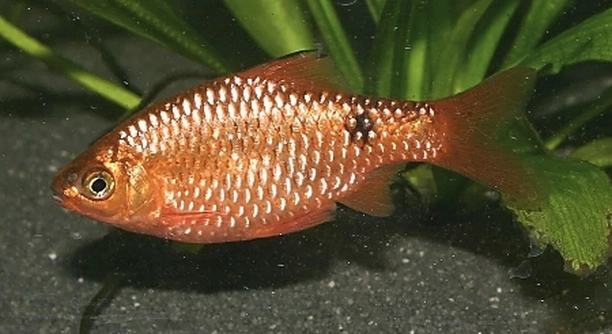
Rosy barbs are lively fish that bring color and activity to home aquariums. Keeping their energy high makes watching them more enjoyable. Small changes in their care can make a big difference in how vibrant and active they stay.
Seven small but effective fixes can boost rosy barb energy. These include improving water quality, providing a balanced diet, ensuring adequate tank space, maintaining proper temperature, adding hiding spots, reducing stress, and regular tank cleaning.
These simple adjustments help create a healthier environment for rosy barbs. They can lead to noticeable improvements in the fish’s activity and overall well-being.
Improve Water Quality
Clean water is essential for keeping rosy barbs active and healthy. Poor water conditions can make fish sluggish or sick. Regularly testing the water for ammonia, nitrites, and nitrates helps catch problems early. Changing about 20% of the water weekly keeps toxins low. Using a good filter and avoiding overfeeding also maintain water clarity. Barbs are sensitive to sudden changes, so water temperature and pH should stay stable. Adding live plants can improve water quality by absorbing excess nutrients. Keeping the tank clean means less stress for the fish, allowing them to swim energetically and display natural behaviors.
Consistent water care directly supports the energy levels of rosy barbs.
Making water quality a priority helps prevent many health issues. Healthy water encourages better appetite and more active swimming. Fish in clean water are less prone to disease, so they spend more time exploring their environment. Monitoring water parameters regularly avoids surprises that can lead to illness. Providing a balanced environment with clean, stable water makes a visible difference in rosy barb vitality.
Provide a Balanced Diet
A varied diet is key to boosting rosy barb energy. Feeding flakes alone is not enough.
Provide a Balanced Diet
Rosy barbs need more than just flakes to stay energetic. Adding live or frozen foods like brine shrimp or bloodworms boosts their nutrition and activity.
Including protein-rich foods improves their energy levels and coloration. Variety helps prevent dietary deficiencies and keeps fish interested in eating. Vegetables like blanched spinach or peas offer fiber that aids digestion. Feeding small amounts multiple times a day mimics natural feeding habits and prevents overeating. Avoid overfeeding to keep water quality stable, which also affects energy. A balanced diet is essential for healthy, lively rosy barbs that swim actively and show bright colors.
Protein and vitamins in a varied diet support growth and immune health. Feeding a mix of dry, frozen, and fresh foods ensures they get all nutrients needed for peak energy.
Maintain Proper Tank Space
Overcrowded tanks reduce oxygen and increase stress, lowering rosy barb energy. They need room to swim freely.
A minimum of 20 gallons is recommended for a small group of rosy barbs. These fish are active swimmers that need horizontal space to move and play. Overcrowding can cause aggression and fatigue. Providing enough space allows them to form social groups without feeling cramped. More room improves water quality since waste buildup is less concentrated. Regularly check tank population and consider upgrading the tank size as your barbs grow. Spacious tanks encourage natural behavior and higher activity, making the fish appear lively and healthy.
Maintain Proper Temperature
Rosy barbs thrive best in water between 74°F and 78°F. Temperatures outside this range can lower their energy.
Use a reliable heater to keep the water stable. Sudden temperature changes stress fish and reduce activity.
Add Hiding Spots
Providing hiding places helps reduce stress and encourages natural behavior. Plants, rocks, and decorations create safe zones where barbs can rest or escape aggression.
This comfort boosts their confidence, leading to more active swimming and interaction within the tank.
Reduce Stress
Stress lowers rosy barb energy and weakens their immune system. Avoid loud noises, sudden movements, and overcrowding.
Keep the tank in a quiet, low-traffic area to minimize disturbances. Stress management improves overall fish vitality and lifespan.
Regular Tank Cleaning
Frequent cleaning removes waste and harmful bacteria, keeping water healthy. A clean tank supports higher activity levels.
How often should I change the water to keep my rosy barbs energetic?
Regular water changes are essential to maintain water quality. Changing about 20% of the water once a week is usually enough to keep toxins low and oxygen levels high. More frequent changes may be necessary if the tank is heavily stocked or if water tests show high nitrate or ammonia levels. Consistent water changes help reduce stress and keep the fish active.
What type of food should I feed my rosy barbs for the best energy?
A balanced diet is key. Feed a mix of high-quality flakes or pellets, supplemented with live or frozen foods like brine shrimp, daphnia, or bloodworms. Occasionally adding blanched vegetables such as spinach or peas provides fiber and vitamins. Feeding smaller amounts multiple times a day prevents overeating and keeps the fish more active throughout the day.
How large should my tank be for rosy barbs to stay active?
A minimum of 20 gallons is recommended for a small group of rosy barbs. They are active swimmers and need plenty of horizontal space to move freely. Overcrowding can cause stress and aggression, reducing their energy. Larger tanks with enough swimming room promote healthier and more lively fish.
Why is stable water temperature important for rosy barbs?
Rosy barbs prefer water between 74°F and 78°F. Temperatures outside this range can cause stress, making them less active or even sick. Sudden temperature changes are especially harmful. Using a reliable heater and monitoring the temperature regularly helps keep them energetic and healthy.
Do hiding spots really help improve rosy barb energy?
Yes, hiding spots reduce stress by providing safe places for the fish to rest or escape from tank mates. Plants, rocks, and decorations create these refuges, helping the barbs feel secure. A comfortable environment leads to more confident and active swimming.
How can I tell if my rosy barbs are stressed?
Signs of stress include lethargy, loss of appetite, faded colors, and hiding excessively. They may also swim erratically or cling to the bottom. Stress is often caused by poor water quality, overcrowding, or sudden changes in the tank environment. Addressing these issues quickly can restore their energy.
What is the best way to clean the tank without stressing my fish?
Perform partial water changes rather than full cleanings to avoid sudden shifts in water parameters. Use a gravel vacuum to remove debris from the substrate gently. Clean the filter media with tank water to preserve beneficial bacteria. Regular cleaning prevents waste buildup, supporting healthy and energetic fish.
How often should I feed my rosy barbs?
Feeding them small amounts two to three times a day mimics their natural feeding behavior. This keeps their metabolism steady and energy levels consistent. Avoid overfeeding, as leftover food can pollute the water and cause health problems.
Can poor water quality make rosy barbs less active?
Absolutely. High ammonia, nitrites, or nitrates harm fish health and reduce energy. Regular testing and water changes keep these levels safe. Maintaining clean water is one of the easiest ways to keep your barbs lively.
Is it necessary to keep rosy barbs in groups?
Yes, rosy barbs are social fish and feel safer in groups of at least five. Being in a group encourages natural schooling behavior and increases their activity. Isolated barbs may become stressed and less energetic.
How do live plants affect rosy barb energy?
Live plants improve water quality by absorbing excess nutrients and providing oxygen. They also offer hiding spots and reduce stress. A planted tank creates a more natural environment that encourages rosy barbs to be more active.
What role does lighting play in the energy levels of rosy barbs?
Proper lighting helps regulate their day-night cycle, influencing feeding and activity. Too much light can cause stress, while too little can reduce activity. Aim for about 8 to 10 hours of moderate light daily to keep them balanced and lively.
Can tank mates affect rosy barb energy?
Yes, aggressive or overly shy tank mates can stress rosy barbs, lowering their activity. Choose peaceful fish that share similar water needs. Avoid fin-nippers or overly dominant species to maintain a calm, energetic environment.
What should I do if my rosy barbs appear sluggish despite good care?
Check water parameters immediately for toxins or temperature issues. Review their diet to ensure it is balanced and fresh. Observe for signs of illness and separate any sick fish. Sometimes small adjustments, like adding hiding spots or reducing noise, can help restore energy.
Taking care of rosy barbs so they stay energetic requires paying attention to several small but important details. Water quality is the foundation of their health, so regular water changes and proper filtration are key. Keeping the water clean helps reduce stress and supports their natural activity. Along with good water, maintaining the right temperature between 74°F and 78°F keeps them comfortable. Sudden changes in temperature or poor conditions can cause them to become sluggish or sick. These simple steps make a big difference in how lively your fish will be.
Feeding rosy barbs a balanced diet is another important factor. They need more than just flakes to stay active and healthy. Adding live or frozen foods like brine shrimp or bloodworms gives them protein and nutrients that boost their energy. Including some vegetables adds fiber and variety, which also helps with digestion. Feeding smaller amounts a few times a day keeps their metabolism steady and prevents overeating, which can pollute the tank. A good diet not only improves their activity but also enhances their colors and overall well-being.
Finally, creating a suitable environment is essential. Rosy barbs need enough space to swim freely, so avoid overcrowding the tank. Adding hiding spots with plants or decorations helps reduce stress by giving them places to feel safe. Stress is one of the main reasons fish lose energy and get sick. By reducing noise and choosing peaceful tank mates, you help your barbs feel more comfortable. Regular tank cleaning and careful observation will keep your fish happy and lively. Paying attention to these small fixes leads to healthier, more energetic rosy barbs that brighten your aquarium.

Hello,
If you enjoy the content that we create, please consider saying a "Thank You!" by leaving a tip.
Every little bit helps us continue crafting quality advice that supports the health, happiness, and well-being of pets around the world, for pets of all shapes, sizes, and species.
We really appreciate the kindness and support that you show us!