
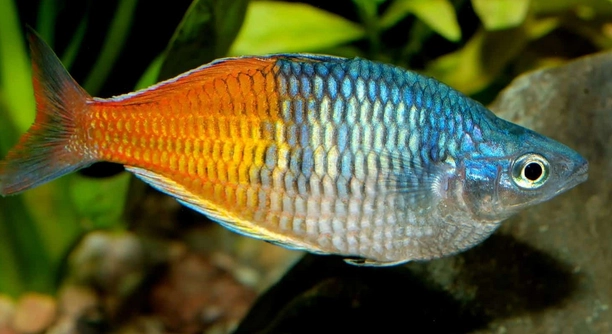
Rainbow fish are known for their vibrant colors and active personalities. However, even small changes in their environment can cause stress, affecting their health and well-being. Understanding these triggers is essential for maintaining a healthy tank.
The main stressors for rainbow fish include fluctuating water temperature, poor water quality, aggressive tankmates, and changes in lighting or feeding schedules. These small disruptions can lead to significant stress and health problems for the fish.
By recognizing these factors, you can make informed decisions that will improve your rainbow fish’s environment and overall health.
Temperature Fluctuations
Rainbow fish are highly sensitive to changes in water temperature. Even small shifts can cause them stress, leading to health issues such as weakened immune systems or poor growth. A sudden drop or rise in temperature disrupts their natural behaviors, making them more vulnerable to disease.
Maintaining a consistent temperature between 74-79°F is essential for the well-being of your fish. A reliable aquarium heater can help regulate the water temperature.
To ensure stable conditions, use an aquarium thermometer to monitor the water regularly. It’s also important to avoid placing the tank near windows or heat sources that could cause temperature fluctuations throughout the day. Consistent, comfortable conditions allow your rainbow fish to thrive and reduce the stress that can result from temperature changes.
Poor Water Quality
Water quality plays a crucial role in the health of your rainbow fish. Poor filtration, irregular water changes, or overcrowded tanks can lead to ammonia, nitrite, and nitrate buildup. These harmful chemicals irritate the fish’s skin and gills, causing stress.
Regular water changes and proper filtration help maintain clean, healthy water. Keeping the tank clean not only reduces stress but also prevents illness.
Aggressive Tankmates
Rainbow fish can become stressed when housed with overly aggressive tankmates. Fish that chase or nip at their fins can cause anxiety and lead to injury. It’s important to choose peaceful companions that won’t pose a threat to their well-being.
Aggressive tankmates can cause rainbow fish to hide, reducing their activity levels and overall health. Fish that are too territorial or competitive for food can make your rainbow fish feel threatened. Always research potential tankmates to ensure compatibility.
If you notice aggressive behavior, consider separating the fish or rearranging the tank to disrupt territorial claims. Ensuring a peaceful tank environment helps your rainbow fish stay calm and healthy, promoting better interactions and long-term well-being.
Changes in Lighting
Rainbow fish are sensitive to changes in lighting. Inconsistent light cycles or sudden shifts in intensity can cause stress. Too much light can disrupt their natural sleep patterns, while too little can make them feel insecure in their environment.
Maintaining a consistent light cycle of 10-12 hours a day helps your rainbow fish establish a routine. Invest in an adjustable light system that mimics natural day and night cycles, providing them with a predictable environment. This promotes healthier behavior and reduces stress.
It’s also essential to avoid placing the tank in areas where direct sunlight may create sudden shifts in lighting. These changes can cause your rainbow fish to become disoriented or stressed. Stable lighting, similar to their natural habitat, ensures your fish feel comfortable and secure.
Overfeeding
Overfeeding can lead to stress for rainbow fish. Leftover food in the tank can degrade water quality, causing harm to the fish. Excess food also encourages algae growth, which creates an unhealthy environment.
Feed your rainbow fish only what they can consume in a few minutes to avoid waste buildup. Regularly remove uneaten food from the tank to maintain water quality and prevent stress.
Water pH Changes
Sudden shifts in pH can be a significant source of stress. Rainbow fish thrive in slightly acidic to neutral water. Drastic changes can disrupt their biological processes and make them more susceptible to illness.
Test the pH regularly to keep it stable. Rapid fluctuations can be harmful, so try to maintain a consistent pH within the ideal range for your fish.
FAQ
What temperature is best for rainbow fish?
Rainbow fish prefer a consistent water temperature between 74-79°F (23-26°C). Sudden temperature fluctuations can cause stress, leading to weakened immune systems and health issues. Ensure your tank’s heater is reliable and the water is monitored regularly to avoid dramatic changes that could harm your fish.
Can rainbow fish live with other fish?
Yes, rainbow fish can live with many other species, but they do best in peaceful, community tanks. Avoid placing them with aggressive or overly territorial fish. Good tankmates include peaceful species like tetras, Corydoras, or other rainbow fish varieties. Research compatibility before introducing new fish to the tank.
How often should I feed rainbow fish?
Feed rainbow fish 1-2 times a day, providing only as much food as they can consume in a few minutes. Overfeeding can lead to water quality issues, which can stress the fish. Use a variety of foods, such as flakes, pellets, and live or frozen foods, to provide balanced nutrition.
Do rainbow fish need a filter?
Yes, rainbow fish require a good filtration system to keep the water clean and oxygenated. A reliable filter helps remove waste and maintain water quality, reducing the risk of stress and disease. Make sure the filter is appropriate for your tank size and is regularly cleaned to avoid clogging.
What should I do if my rainbow fish seem stressed?
If your rainbow fish are stressed, first check for any environmental changes such as temperature fluctuations, poor water quality, or aggressive tankmates. Ensure the water parameters, including pH, hardness, and ammonia levels, are within acceptable ranges. Remove any stressors, such as aggressive fish, and consider rearranging the tank to reduce territorial disputes.
Can rainbow fish handle brackish water?
While rainbow fish are generally freshwater species, some can tolerate brackish water. However, not all varieties of rainbow fish can live in brackish conditions. If you are considering introducing salt to the tank, make sure to research the specific species you own to determine if they can handle brackish water.
How do I maintain stable water quality for rainbow fish?
Regular water changes are essential for maintaining stable water quality. Change 10-20% of the water weekly, and use a good-quality water conditioner to remove chlorine and chloramine. Keep the tank clean by removing debris and uneaten food promptly. Ensure the filtration system is working effectively and is cleaned regularly.
Are rainbow fish sensitive to light?
Rainbow fish can be sensitive to lighting changes. A sudden increase or decrease in light intensity can cause stress. It’s best to maintain a consistent light cycle of 10-12 hours of light per day. Use adjustable LED lighting that mimics natural day-night cycles to ensure your fish feel secure.
How can I tell if my rainbow fish are sick?
Signs of illness in rainbow fish include faded colors, loss of appetite, unusual swimming patterns, or visible lesions. If your fish are acting lethargic or are swimming erratically, check for water quality issues, as poor conditions are often the root cause. Isolate any sick fish and seek veterinary advice if needed.
What is the lifespan of rainbow fish?
Rainbow fish generally live for 5-8 years, depending on their species and care conditions. Providing them with optimal water quality, proper nutrition, and a stress-free environment can help them live longer, healthier lives. Regular tank maintenance and monitoring their behavior will ensure they remain in good health.
Can rainbow fish live without a filter?
While rainbow fish can technically survive without a filter, it is not recommended. A filter is essential for maintaining water quality by removing waste, preventing harmful chemical buildups, and ensuring proper oxygenation. Without a filter, the risk of water contamination and stress increases, making it harder to keep your fish healthy.
How often should I check my rainbow fish’s tank parameters?
Check your tank’s parameters, including pH, ammonia, nitrite, and nitrate levels, at least once a week. Regular monitoring helps catch any water quality issues early, preventing stress or illness in your rainbow fish. Invest in a good water test kit to make this process easier and more accurate.
What kind of plants should I have for rainbow fish?
Rainbow fish appreciate a well-planted tank with plenty of hiding spots and open swimming areas. Live plants such as Java fern, Amazon sword, and Anubias are excellent choices. They provide cover and help maintain water quality by absorbing excess nutrients, which can prevent algae overgrowth.
Can rainbow fish live in a tank with high water flow?
Rainbow fish are generally adaptable, but they do not thrive in tanks with strong, fast water currents. Strong water flow can cause stress and prevent them from swimming comfortably. Use a filter with adjustable flow or place the filter intake near the tank’s surface to avoid disrupting your fish’s natural behavior.
What is the best tank size for rainbow fish?
For a small group of rainbow fish, a 30-gallon tank is ideal. A larger tank offers more space for swimming and reduces stress. Make sure the tank is adequately filtered and has enough hiding places and plants to create a natural, peaceful environment for your fish.
Do rainbow fish need to be in groups?
Rainbow fish are social creatures and do best in groups. Keeping them in small groups of 5 or more helps reduce stress and encourages natural behaviors. A solitary rainbow fish may become shy or aggressive, so it’s better to house them in a well-sized school to promote their well-being.
Final Thoughts
Maintaining a healthy and stress-free environment for rainbow fish is essential to their well-being. By understanding the factors that can cause stress, such as aggressive tankmates, poor water quality, or changes in lighting, you can prevent many issues before they arise. Providing a stable and peaceful environment is key to ensuring your rainbow fish thrive and stay active.
It’s important to pay attention to small details, such as feeding them properly, monitoring their tank’s water parameters, and keeping their environment consistent. Rainbow fish are sensitive creatures, and a sudden change in temperature, pH, or lighting can cause significant stress. Keeping their tank clean and free of harmful chemicals, such as ammonia and nitrites, will help prevent health problems. Regular water changes and maintaining a balanced diet are also crucial for keeping them healthy.
When creating a tank for your rainbow fish, it’s vital to choose compatible tankmates. Fish that are too aggressive can cause stress and even injury. Peaceful companions like tetras or other rainbow fish varieties work well. Regularly observing your fish can also help detect early signs of stress or illness, giving you the chance to address any problems before they become serious. By following these simple steps, you can enjoy a vibrant, healthy tank full of happy rainbow fish.

Hello,
If you enjoy the content that we create, please consider saying a "Thank You!" by leaving a tip.
Every little bit helps us continue crafting quality advice that supports the health, happiness, and well-being of pets around the world, for pets of all shapes, sizes, and species.
We really appreciate the kindness and support that you show us!