
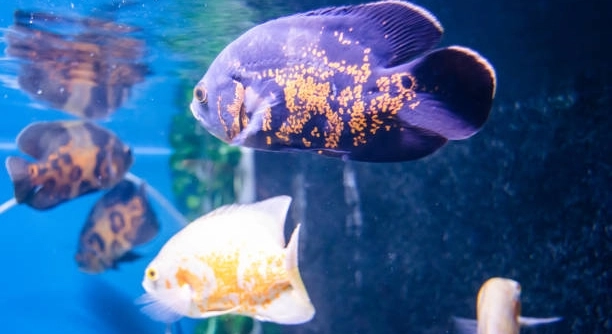
Oscar fish are known for their vibrant colors and energetic personalities. However, they can become stressed easily, leading to changes in their behavior. Understanding how to calm them can improve their overall health and happiness in their environment.
One of the most effective ways to calm Oscar fish is by maintaining stable water conditions. Fluctuating water temperature, pH, and ammonia levels can cause stress. Consistent water parameters help the fish feel secure, reducing the likelihood of aggression or anxiety.
Small changes to their tank setup can make a big difference. By implementing a few simple adjustments, you can help your Oscar fish feel more at ease and content.
Maintain Stable Water Quality
Oscar fish thrive in stable water conditions. Sudden changes in water quality can lead to stress and aggressive behavior. Keeping the water temperature between 74-80°F and the pH level around 6.5-7.5 will help create a comfortable environment for your Oscar. Regular water changes, at least 25% every two weeks, can keep the tank clean and the fish happy.
Using a good filtration system is key. A filter that is too strong or too weak can cause additional stress for the fish. The filter should be capable of circulating the water without creating strong currents that might make your Oscar feel unsafe. Also, test the water regularly for ammonia, nitrites, and nitrates to ensure the conditions are within a healthy range.
Investing in a reliable water test kit is an excellent way to monitor and adjust conditions. When Oscar fish feel their environment is secure, they are more likely to calm down and exhibit healthy behaviors.
Provide Hiding Spots
Oscar fish are naturally territorial, so providing hiding spots can help reduce stress. Adding decorations like rocks, caves, or plants can create spaces where they can retreat if they feel threatened. These spots give them a sense of security, allowing them to explore and relax.
Hiding spots can also reduce aggression. When Oscars feel safe in their tank, they are less likely to become territorial and more likely to coexist peacefully with other fish. Ensure these hiding spots are placed strategically to avoid overcrowding the tank. You want to give them enough space to swim freely while still offering shelter when needed. Consider using larger decorations, which provide ample space for them to hide while still maintaining an open area for swimming.
When choosing tank decorations, opt for materials that won’t disrupt the water quality, such as smooth stones or non-toxic plastic plants. This ensures your fish’s well-being while keeping their environment enriching.
Avoid Overcrowding the Tank
Overcrowding your tank can lead to stress for your Oscar fish. They require plenty of space to swim and explore. A general rule is to provide at least 55 gallons of water per Oscar fish, ensuring they have enough room to feel secure.
Keeping the tank less crowded prevents constant competition for resources like food and space. This allows your fish to swim freely and establish their own territory. Overcrowded tanks can lead to territorial disputes, which increases stress and makes your fish more likely to act out.
It’s important to regularly monitor the number of fish in the tank and remove any that may cause further stress to the Oscar. If you decide to add more fish, make sure they are compatible with Oscars. Choose tank mates that are non-aggressive and can handle the Oscar’s size and temperament. This will help create a peaceful environment for all fish in the tank.
Control Lighting and Day-Night Cycle
Oscars respond well to a regular day-night cycle. Keeping consistent lighting helps them maintain a natural rhythm. Use a timer to ensure they receive about 10-12 hours of light per day and 12-14 hours of darkness.
Lighting impacts the overall mood of your Oscar. Bright, harsh lighting may make them feel exposed and stressed. Consider using softer, more diffused light sources to mimic natural conditions. You can also add plants or decorations to help diffuse the light and provide shade when needed.
Oscars can be sensitive to sudden changes in lighting, so avoid abrupt shifts. If you want to change the lighting for aesthetic purposes, do it gradually. This will allow the fish to adjust without causing unnecessary stress. Proper lighting encourages healthy behavior and helps your fish feel more at ease in their environment.
Feed a Balanced Diet
A proper diet can keep your Oscar fish calm and healthy. Offering a variety of high-quality pellets, live foods, and occasional treats ensures they get the nutrients they need. Feed them small portions once or twice daily to prevent overfeeding.
Overfeeding can lead to water quality issues and cause stress for your fish. Stick to a feeding schedule, and avoid leaving uneaten food in the tank. This helps maintain a clean environment, preventing the growth of harmful bacteria.
Providing a nutritious diet keeps your Oscar strong and less likely to display aggression or other signs of stress. The right food supports their immune system and encourages healthy behaviors.
Monitor Tank Temperature
Oscar fish are sensitive to temperature changes. Keeping the tank temperature stable between 74-80°F is essential for their well-being. A reliable aquarium heater is necessary to maintain this range.
Use a thermometer to regularly check the water temperature. Any fluctuations outside of this range can cause stress and may lead to health problems. Inconsistent temperatures can affect your fish’s metabolism and overall behavior.
Ensure that your heater is appropriately sized for the tank to maintain a steady temperature. It’s important to avoid sudden temperature changes, as they can be very stressful for your Oscar fish.
Keep the Tank Clean
Maintaining a clean tank is crucial for calming Oscar fish. Regular water changes, filter maintenance, and substrate cleaning prevent harmful toxins from building up. Aim for a 25% water change every two weeks.
A clean tank reduces stress and keeps your fish healthy. Ammonia and nitrate levels should be tested regularly to ensure water quality remains high. Keeping the water clean also prevents diseases and parasites that can make your fish anxious and uncomfortable.
FAQ
How do I know if my Oscar fish is stressed?
Stressed Oscar fish often display unusual behaviors. You might notice them hiding more than usual, being aggressive toward other fish, or swimming erratically. They may also stop eating, which is a common sign of distress. Pay attention to these signs and monitor their environment for any factors that could be causing the stress. Water quality, tank mates, and diet are all key contributors.
Can Oscars live with other fish?
Oscars can live with other fish, but it’s important to choose compatible tank mates. They are territorial and can be aggressive toward smaller or weaker fish. Larger, non-aggressive species like large catfish or peaceful cichlids work best. Be mindful of the size and temperament of the other fish to prevent conflicts. Always observe how the Oscar interacts with new tank mates to ensure harmony.
What’s the best size tank for an Oscar?
An Oscar fish needs a large tank, typically at least 55 gallons for one fish. As they grow, they require more space. A bigger tank offers more room for swimming, hiding spots, and reduces territorial disputes. A larger tank also helps maintain water quality and temperature stability. Remember, the bigger the tank, the more comfortable your Oscar will feel.
How often should I feed my Oscar?
Feed your Oscar fish once or twice a day, offering small portions that they can consume in a few minutes. Overfeeding can lead to water quality issues and obesity. Avoid leaving food in the tank, as it can decompose and pollute the water. A varied diet, including pellets, live foods, and occasional treats, keeps them healthy and satisfied.
What temperature should the water be for an Oscar fish?
Oscar fish thrive in warm water, typically between 74°F and 80°F (23°C – 27°C). A steady temperature within this range promotes their overall health and reduces stress. Use an aquarium heater to maintain a consistent temperature, and check it regularly with a thermometer. Avoid sudden temperature changes, as they can stress the fish and cause health problems.
How can I reduce aggression in my Oscar fish?
Aggression in Oscars can be reduced by providing ample space and hiding spots. Avoid overcrowding the tank, as this can lead to territorial disputes. Maintaining stable water conditions and proper filtration helps keep your Oscar calm. Avoid introducing new fish too quickly, and make sure any tank mates are large and non-aggressive.
Why is my Oscar fish not eating?
If your Oscar stops eating, it may be stressed, sick, or the water conditions could be off. First, check the water quality—ensure the pH, ammonia, nitrite, and nitrate levels are within safe ranges. Stress from a new environment or tank mates can also cause loss of appetite. If the behavior persists, consult a vet to rule out any health issues.
Can I keep multiple Oscars in the same tank?
Yes, you can keep multiple Oscars in the same tank, but you’ll need a very large tank, ideally 100 gallons or more. Oscars are territorial, and fights may break out, especially if there isn’t enough space. To prevent aggression, make sure the tank is well-decorated with plenty of hiding spots. Keep an eye on their behavior to ensure they are not harming each other.
How do I maintain water quality for my Oscar fish?
Maintaining water quality is essential for the health of your Oscar. Perform regular water changes—about 25% every two weeks—and use a high-quality filter to remove waste and debris. Test the water regularly for ammonia, nitrites, and nitrates. Keep the tank clean by removing uneaten food and debris promptly. This will help maintain a safe environment for your fish.
What should I do if my Oscar fish is showing signs of illness?
If your Oscar shows signs of illness, such as faded colors, lethargy, or abnormal swimming, check the water quality first. Poor water conditions are often the main cause of illness. If the water quality is fine, observe the fish for any visible signs of disease, such as sores or white spots. Consider isolating the sick fish in a quarantine tank and consult an aquarium specialist for treatment options.
Final Thoughts
Caring for Oscar fish requires attention to detail, patience, and a commitment to providing the right environment for them to thrive. These fish are known for their intelligence and distinct personalities, but they also have specific needs that must be met. By maintaining proper water conditions, offering a balanced diet, and avoiding overcrowding, you can help ensure your Oscar remains calm and healthy. Oscars need space to swim and explore, so it’s crucial to give them an appropriately sized tank and make sure their environment supports their well-being.
It’s also important to monitor your Oscar’s behavior regularly. Stress is one of the most common causes of health issues in Oscars, so paying attention to signs of aggression, lethargy, or changes in appetite can give you early indicators of potential problems. Be proactive about maintaining clean water, using a reliable filter, and adjusting the lighting in the tank. With the right care, your Oscar will feel safe and secure, reducing the likelihood of stress-related behaviors. Providing a stable environment, both physically and emotionally, can help your fish live a longer, healthier life.
In the end, taking small steps to address the needs of your Oscar fish can make a big difference. By making minor adjustments to their environment and keeping a close eye on their health, you can foster a calm, stress-free life for your fish. Regular maintenance of the tank and a proper routine will help your Oscar fish flourish in a peaceful setting, allowing them to thrive and bring joy to your aquarium for years to come.

Hello,
If you enjoy the content that we create, please consider saying a "Thank You!" by leaving a tip.
Every little bit helps us continue crafting quality advice that supports the health, happiness, and well-being of pets around the world, for pets of all shapes, sizes, and species.
We really appreciate the kindness and support that you show us!