
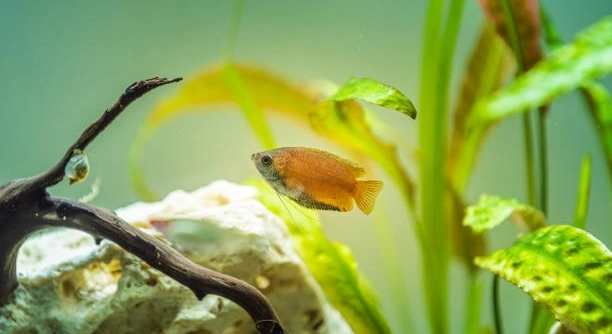
Are your gouramis often skittish or hiding in the corners of the tank? Small changes in their environment can significantly influence their behavior. Understanding how to create a calmer setting benefits both the fish and their owners.
Implementing subtle adjustments, such as maintaining consistent water temperature, reducing sudden movements, adding gentle filtration, providing hiding spaces, regulating lighting, limiting tank overcrowding, and introducing peaceful tank mates, has been shown to reduce stress responses in nervous gouramis effectively.
These small but thoughtful modifications can greatly improve your gouramis’ comfort, helping them feel secure and more interactive within their aquatic environment.
Maintain Consistent Water Temperature
Gouramis are highly sensitive to fluctuations in water temperature. Sudden changes can trigger stress responses, making them skittish or hiding. Using a reliable heater and thermometer ensures that the tank remains within the ideal range of 75–82°F. Avoid placing the tank near drafts, air conditioners, or direct sunlight, as these can create uneven heating. Even small dips or spikes in temperature can affect their metabolism, appetite, and overall behavior. Regular monitoring allows for timely adjustments, helping the fish remain calm and healthy. Over time, consistent temperature creates a stable environment where gouramis feel safe to explore and interact naturally.
Stable water temperature minimizes stress, encourages regular feeding, and promotes overall health in your gouramis.
Keeping the water temperature steady may seem simple, but it plays a vital role in reducing nervous behaviors. A well-regulated tank allows gouramis to swim confidently, interact with each other, and thrive in their habitat. Monitoring and maintaining this factor consistently is a small adjustment that offers significant benefits.
Provide Hiding Spaces
Adding plants, caves, and decorations gives gouramis secure spots to retreat.
Hiding spaces reduce stress and give fish control over their environment. Live plants, driftwood, or small ornaments create natural shelters. Gouramis often feel vulnerable without places to hide, leading to constant skittish movements and avoidance of tank activity. Providing multiple spots allows them to choose where they feel safest and reduces the likelihood of aggressive encounters with other fish.
A tank enriched with hiding spaces mimics their natural habitat, promoting calmer behavior and more confident swimming. Soft plants and gentle caves offer both visual barriers and physical shelters, helping reduce exposure to perceived threats. Arranging these features strategically prevents overcrowding in specific areas and encourages exploration. For shy gouramis, these spaces serve as resting areas where they can feel secure. Over time, fish learn the layout of their environment, which enhances their sense of control and stability. Even minimal decorations can make a significant difference, making the tank feel less intimidating. Providing variety in hiding options supports not only stress reduction but also mental stimulation, allowing gouramis to engage with their surroundings comfortably.
Reduce Sudden Movements
Sudden movements near the tank can startle gouramis and increase stress. Moving slowly and calmly helps them feel secure. Avoid tapping on the glass or making abrupt changes in the room surrounding the tank.
Gouramis respond strongly to rapid motions or vibrations. Quick hand movements, loud noises, or sudden rearrangements of tank decorations can trigger hiding or frantic swimming. By approaching the tank gently and maintaining a calm environment, their stress levels decrease. Even minor adjustments, like slowly refilling water or feeding in a steady manner, make a difference. Consistency in daily care routines reassures the fish, helping them adapt to human presence and interact more naturally. Over time, this reduces overall nervous behavior.
A calm approach when performing tank maintenance is essential. By minimizing abrupt actions, gouramis feel safe to swim openly. Gradually, they become less skittish and more confident, enhancing their interaction with the environment and other tank mates. Consistent, gentle handling promotes a stable, stress-free habitat where the fish can thrive.
Limit Tank Overcrowding
Overcrowded tanks create stress and competition for gouramis. Maintaining an appropriate number of fish per gallon prevents aggression and anxiety.
High population density limits swimming space, increases waste buildup, and elevates stress levels. Gouramis require sufficient room to establish territories and move freely. Overcrowding can lead to frequent skirmishes, constant hiding, and reduced appetite. Ensuring the tank size matches the number and species of fish helps maintain balance. Introducing fewer fish at a time allows them to acclimate and reduces territorial disputes. Proper stocking density supports peaceful cohabitation and encourages natural behaviors. A less crowded tank is easier to maintain, keeping water quality stable and fish healthier.
Regulate Lighting
Bright or fluctuating light can stress gouramis. Using a consistent light schedule prevents sudden exposure that may cause nervous behavior.
Soft lighting and gradual transitions mimic natural conditions. Sudden lights on or off can startle fish, so timers help maintain stability and reduce anxiety.
Introduce Peaceful Tank Mates
Choosing compatible species prevents aggression and competition. Avoid fast or aggressive fish that may intimidate gouramis.
Peaceful tank mates reduce stress and allow gouramis to swim without fear. Species like tetras or small rasboras coexist calmly, supporting a harmonious environment.
Use Gentle Filtration
Strong currents can overwhelm gouramis, making them anxious and less active.
Opt for filters that provide smooth water flow. Adjustable settings or sponge filters reduce turbulence, allowing gouramis to swim comfortably and maintain natural behavior without constant stress.
Why does my gourami hide all the time?
Gouramis hide frequently when they feel unsafe or stressed. This behavior often occurs in tanks with limited hiding spots, sudden movements, or strong currents. Providing plants, caves, and decorations gives them areas to retreat, which helps reduce anxiety and encourages them to explore at their own pace.
How can I tell if my gourami is stressed?
Signs of stress include rapid gill movement, clamped fins, hiding excessively, or refusing food. Nervous swimming patterns, darting, or aggression toward tank mates also indicate discomfort. Stress can result from water fluctuations, overcrowding, or incompatible tank mates. Monitoring behavior daily helps identify issues early and implement calming adjustments.
Is water quality important for calming gouramis?
Absolutely. Poor water quality increases stress and weakens their immune system. Regular testing for ammonia, nitrite, nitrate, and pH ensures a stable environment. Weekly water changes, proper filtration, and maintaining consistent temperature are essential steps. Clean water helps gouramis remain healthy and confident in their habitat.
Do gouramis prefer certain tank decorations?
Yes. Gouramis feel more secure with live plants, driftwood, or small caves. These features provide visual barriers and retreat spots. Strategically placing decorations allows fish to establish territories, reducing conflict and nervous behavior. Minimal but thoughtful decorations can make a tank feel more natural and calming.
How often should I feed my gouramis?
Feeding should be consistent, typically once or twice daily with small portions. Overfeeding can reduce water quality and increase stress. A balanced diet including flakes, pellets, and occasional live or frozen food promotes health. Regular feeding schedules help gouramis feel secure and reduce skittish behavior.
Can tank size affect gourami behavior?
Yes. Small tanks limit swimming space and increase stress, while overcrowding causes competition for resources. A spacious tank allows gouramis to swim freely and establish territories. Matching tank size to the number of fish supports calmer interactions, healthier growth, and reduced anxiety.
Will gouramis become calmer over time?
With proper adjustments, gouramis can gradually become more relaxed. Consistent water conditions, gentle handling, compatible tank mates, and sufficient hiding spots build a secure environment. Patience is key, as fish need time to adapt to their surroundings and feel confident in exploring the tank.
Are there any foods that help reduce stress?
A varied diet with high-quality flakes, pellets, and occasional live or frozen food supports overall health, indirectly reducing stress. Nutrient-rich foods maintain energy, coloration, and immune function. Healthy gouramis are more resilient to environmental changes and less likely to display nervous behaviors.
Can changing the lighting schedule help?
Yes. Gouramis respond well to gradual light transitions. Using timers ensures a consistent day-night cycle, reducing sudden exposure that can startle fish. Soft or diffused lighting helps them feel secure, encouraging natural swimming patterns and calmer behavior.
How do I know if my gourami tank is properly set up?
A properly set up tank has stable water parameters, gentle filtration, suitable hiding spaces, compatible tank mates, and adequate swimming room. Observing relaxed, active fish with healthy coloration indicates a comfortable environment. Regular monitoring and small adjustments maintain stability and reduce nervous behavior over time.
What should I do if my gourami is still nervous?
If nervous behavior persists, review water quality, tank layout, filtration strength, and tank mate compatibility. Minor changes, such as adding plants or adjusting the filter flow, can make a significant difference. Patience and consistent care are essential to help gouramis feel safe and reduce stress.
Is it normal for gouramis to flare their fins when stressed?
Yes. Flared fins can indicate stress or an attempt to assert dominance. While occasional flaring is normal, frequent or prolonged displays may signal discomfort. Ensuring a calm environment, proper tank mates, and hiding spaces helps minimize this behavior.
Creating a calm environment for your gouramis requires attention to small details. These fish are sensitive to changes in their surroundings, and even minor adjustments can significantly reduce their stress. Maintaining consistent water temperature, ensuring proper filtration, and regulating lighting are basic steps that help gouramis feel secure. Equally important is providing adequate hiding spaces with plants, caves, or decorations, allowing them to retreat when they feel threatened. By observing your fish and making these small changes, you support their natural behavior and overall well-being, which leads to a healthier, more peaceful tank environment.
Tank mates and stocking levels also play a crucial role in calming gouramis. Overcrowded tanks or aggressive species can create constant tension, leading to skittish or defensive behaviors. Selecting compatible, peaceful fish and providing enough space for each individual ensures that gouramis have room to establish territories and swim freely. Consistent feeding routines and high-quality food further contribute to a stable environment. When gouramis feel secure and their needs are met, they are more likely to interact naturally, display brighter colors, and remain active in the tank. These adjustments require patience and observation, but the benefits for your fish are clear and long-lasting.
Ultimately, the goal is to create a balanced habitat that meets all the physical and psychological needs of your gouramis. Stress can affect their health, appetite, and lifespan, so addressing these factors early is essential. Gentle handling, stable water parameters, and thoughtful tank design work together to reduce nervous behaviors. Over time, you will notice a calmer, more confident fish that explores the tank and responds less anxiously to changes. Small, consistent efforts in care make a meaningful difference, allowing your gouramis to thrive in a comfortable, secure environment where they can grow and remain healthy.

Hello,
If you enjoy the content that we create, please consider saying a "Thank You!" by leaving a tip.
Every little bit helps us continue crafting quality advice that supports the health, happiness, and well-being of pets around the world, for pets of all shapes, sizes, and species.
We really appreciate the kindness and support that you show us!