
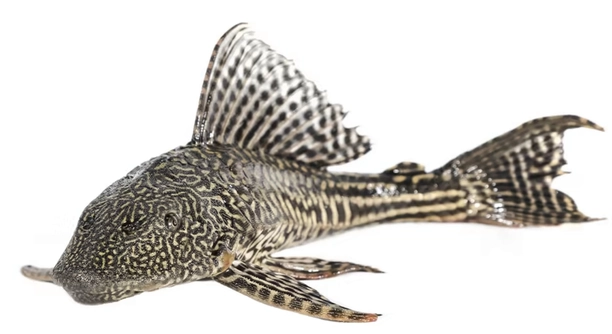
Maintaining the health of your plecos is essential for their well-being and longevity. Small adjustments in their care routine can make a significant difference in their overall health and happiness. Proper care ensures that your plecos thrive.
To boost pleco health, make small adjustments in their diet, water quality, tank environment, and general care routine. Consistent maintenance of these areas will prevent stress and disease, allowing plecos to live longer and healthier lives in your aquarium.
By implementing these simple steps, your plecos will benefit from a healthier, more comfortable environment.
Adjusting Pleco Diet for Better Health
The right diet plays a huge role in the health of your plecos. Ensure they get a balanced mix of sinking pellets, algae wafers, and occasional fresh vegetables. Plecos are primarily herbivores, so the bulk of their diet should consist of plant-based foods. However, supplementing with protein-rich foods like bloodworms or brine shrimp is beneficial for their growth and energy.
You should also vary their food sources to prevent nutritional deficiencies. Providing a mix of algae wafers and fresh vegetables like zucchini or cucumber can help. Be mindful of the portion sizes, as overfeeding can lead to water quality issues.
While plecos thrive on a plant-based diet, adding occasional protein-rich foods helps them stay healthy and active. Proper nutrition supports their immune system, making them more resilient to stress and illness.
Maintaining Water Quality
Clean water is essential for pleco health. Make sure to monitor your tank’s water parameters regularly.
Plecos are sensitive to poor water quality, which can lead to stress, disease, and even death. Perform regular water changes, maintain good filtration, and ensure proper aeration in the tank. This keeps harmful toxins in check and promotes overall well-being.
By keeping your tank’s water clean and balanced, you provide your plecos with a stable environment where they can thrive.
Creating the Right Tank Environment
Plecos need an environment that mimics their natural habitat to stay healthy. Ensure your tank has plenty of hiding spots, such as caves or driftwood, where they can retreat when feeling stressed. These hiding spots help reduce anxiety.
The water temperature should be consistent, typically between 74°F to 80°F (23°C to 27°C), and well-filtered to prevent the buildup of waste. Additionally, plecos are bottom dwellers, so adding smooth rocks or substrates like sand will make them feel more at home. This setup encourages natural behaviors and promotes overall health.
A stable environment also helps plecos feel more secure and less stressed. With the right temperature and hiding spots, they can be active, healthy, and comfortable in their tank.
Managing Stress Levels
Stress can seriously affect pleco health. If they are frequently exposed to sudden changes in water conditions or tank mates, their immune systems can weaken, making them more susceptible to diseases.
It’s important to keep tank mates compatible. Avoid placing overly aggressive species in the same tank, as this can cause constant stress. Ensuring proper hiding spaces is equally crucial, giving plecos a safe place to retreat when necessary. Regular tank maintenance also helps, as plecos are sensitive to fluctuations in water conditions.
By maintaining a calm and stable environment, you reduce stress and help your plecos live longer, happier lives. The more they feel safe, the healthier they’ll be.
Regular Tank Maintenance
Regular maintenance is essential for keeping your plecos healthy. Cleaning the tank every week helps remove excess waste and algae buildup. This reduces the risk of poor water quality and helps your plecos thrive.
You should also inspect the filter regularly, making sure it’s functioning properly. A good filter ensures that the water stays clean and oxygenated, which is essential for pleco health. Remember to replace filter media as needed to maintain proper filtration.
Routine cleaning and filter maintenance will go a long way in ensuring your plecos stay in a healthy, balanced environment.
Proper Lighting
Plecos prefer low to moderate light levels. Too much light can stress them out, leading to inactivity and poor health.
You should aim for a soft light source, mimicking the dim, murky waters of their natural environment. Keep lighting on a day-night cycle of about 10 to 12 hours, which helps regulate their natural rhythms and promotes better overall health.
With the right lighting, plecos can feel more comfortable and behave naturally, reducing stress and improving their well-being.
FAQ
How often should I feed my pleco?
Plecos typically eat once a day. A well-balanced diet of sinking pellets, algae wafers, and vegetables should be offered daily. However, some plecos are nocturnal feeders, so you might find them eating during the night. Be cautious not to overfeed, as this can lead to water quality issues.
Can plecos live with other fish?
Yes, plecos can live with most peaceful species, but avoid aggressive or overly active fish. They are bottom dwellers and may get stressed by fish that disturb their space. Ensure that there’s enough hiding spots and territories for everyone in the tank.
What temperature is best for plecos?
The ideal water temperature for plecos is between 74°F to 80°F (23°C to 27°C). Temperatures outside of this range can stress them, making them more susceptible to diseases. A consistent temperature is key for their well-being, so use a reliable aquarium heater if needed.
Why is my pleco turning pale?
If your pleco is turning pale, it could be a sign of poor water quality, stress, or illness. Check the tank’s water parameters to ensure everything is balanced. You should also observe for any unusual behavior, like lack of appetite or hiding, which could indicate a problem.
How can I tell if my pleco is sick?
Signs of illness in plecos include lethargy, loss of appetite, unusual swimming patterns, or visible spots on their skin. If you notice any of these symptoms, check your water quality immediately and consider isolating the fish to prevent the spread of disease. Consult a vet if necessary.
Do plecos need a filter?
Yes, plecos benefit greatly from a good filter. They produce a lot of waste, and a filter helps maintain clean water by removing excess debris and toxins. This also supports the health of other fish in the tank. Make sure the filter is strong enough for your tank size.
Can plecos eat algae in the tank?
Plecos are known for eating algae, but they may not completely clear it out of your tank. Algae wafers or fresh veggies like zucchini are still necessary to supplement their diet. Keep in mind that while plecos help reduce algae growth, they are not a solution to algae overgrowth.
Should I provide hiding spots for my pleco?
Yes, hiding spots are essential for plecos. They are shy, nocturnal fish that need places to retreat to when they feel stressed or threatened. Caves, driftwood, or plants can serve as hiding spots and help reduce anxiety, improving their overall health.
Can plecos survive in a small tank?
While plecos can survive in smaller tanks, they thrive in larger tanks where they have enough space to swim and explore. A 30-gallon tank is usually the minimum recommended for most pleco species. Overcrowded tanks can lead to stress and poor water quality.
How long do plecos live?
Plecos can live up to 10 to 15 years if cared for properly. Proper water quality, diet, and tank conditions will ensure they live a long, healthy life. Regular maintenance and monitoring of their health are crucial for longevity.
Are plecos active during the day?
Most plecos are nocturnal, meaning they are more active at night when the tank lights are off. During the day, they tend to hide in caves or behind objects. Providing plenty of hiding spots will help them feel secure and reduce stress.
Why is my pleco constantly swimming at the surface?
If your pleco is swimming at the surface frequently, it could be a sign of poor water quality, lack of oxygen, or stress. Check the tank’s water parameters, including oxygen levels, and make sure the pleco has plenty of places to hide. Adding a surface agitation or increasing aeration may help.
How do I encourage my pleco to eat more?
To encourage your pleco to eat, try offering a variety of foods, such as sinking pellets, algae wafers, and fresh vegetables like cucumber or zucchini. You can also offer occasional protein sources like bloodworms. Make sure the food is sinking and easy for your pleco to access.
What size tank is best for a pleco?
The size of the tank depends on the type of pleco you have, but generally, a 30-gallon tank is the minimum. Larger species, like the common pleco, may require tanks of 75 gallons or more as they grow quite large. Bigger tanks provide more space for swimming and help maintain water quality.
Can plecos live with shrimp?
Plecos and shrimp can sometimes coexist in the same tank, but it depends on the species of pleco. Some plecos may eat small shrimp or disturb them. If you want to keep shrimp with your pleco, choose species that are peaceful and offer plenty of hiding spaces for the shrimp.
How do I know if my pleco is too stressed?
Stress in plecos can manifest as abnormal swimming, refusal to eat, or hiding more than usual. Poor water conditions, aggressive tank mates, or insufficient hiding spots can cause stress. If stress continues, your pleco’s health may decline, so address the underlying issue promptly.
Final Thoughts
Taking care of your pleco requires attention to their environment and needs. Keeping the water clean and stable is one of the most important aspects. Regular tank maintenance, including cleaning the filter and checking water parameters, will prevent many health issues. Plecos are sensitive to changes in water quality, so it’s essential to keep the tank well-maintained to ensure they live a healthy life.
In addition to a clean tank, providing the right food and hiding spots is key. Plecos are bottom dwellers that need access to hiding places where they can rest and feel secure. A diet that includes sinking pellets, algae wafers, and occasional vegetables will meet their nutritional needs. It’s also important to remember that plecos are nocturnal, so they may not be very active during the day, but they become more active at night. This is normal behavior, and it’s important to respect their natural rhythms.
Lastly, monitoring their health and stress levels is crucial. Plecos can get stressed by aggressive tank mates, sudden changes in water conditions, or even overcrowding. A peaceful, stable environment with compatible tank mates will help keep them healthy. By following these basic guidelines and being mindful of their needs, you can ensure your pleco stays happy and thrives for many years.

Hello,
If you enjoy the content that we create, please consider saying a "Thank You!" by leaving a tip.
Every little bit helps us continue crafting quality advice that supports the health, happiness, and well-being of pets around the world, for pets of all shapes, sizes, and species.
We really appreciate the kindness and support that you show us!