
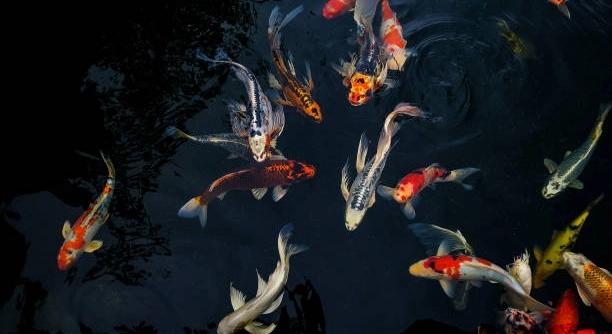
Koi fish are known for their graceful movements and calm presence in ponds. Observing their slow-motion behaviors can reveal how comfortable and relaxed they feel in their environment. These gentle actions often reflect their well-being and trust.
Slow-motion koi behaviors such as smooth gliding, gentle tail flicks, slow fin movements, and calm resting patterns indicate comfort and low stress. These actions demonstrate koi adapting well to their surroundings and exhibiting natural, relaxed states.
Understanding these subtle behaviors helps koi owners better care for their fish and create a peaceful habitat that supports their health and happiness.
Slow Gliding and Smooth Movements
When koi fish move slowly and smoothly through the water, it shows they feel safe and comfortable. They aren’t rushing or darting around, which usually means they are relaxed. Slow gliding is a natural behavior when koi are calm, exploring their surroundings without stress. This movement allows them to conserve energy and enjoy their environment peacefully. It also helps them maintain balance and proper body function. Watching koi glide with such grace can be quite soothing and reflects a healthy fish.
Slow, smooth swimming indicates koi are in a good environment where they feel secure.
This behavior can also help koi interact gently with others in the pond. When koi swim slowly, they reduce the chance of accidents or conflicts. It gives them time to notice changes in the water, food, or other fish nearby. Slow movement means koi are not frightened by sudden noises or threats. It’s a sign of trust in their surroundings and the people caring for them.
Gentle Tail Flicks
Gentle tail flicks happen when koi are adjusting their position or signaling calmness. This action is subtle and shows that the fish is not stressed or trying to escape. Instead, the flicks help maintain balance and communicate with other koi. It’s a small, peaceful movement that adds to the overall comfort of the fish.
Tail flicks are a quiet way koi express ease and contentment.
This movement keeps koi steady as they swim or rest. Gentle flicking also helps koi clean themselves and remove debris from their scales. When koi flick their tails slowly, it shows they feel at ease with the environment and companions. Rapid or sharp tail flicks might mean irritation or fear, so gentle flicks are a positive sign. They help koi stay flexible and ready to respond calmly if needed. Watching these flicks reveals koi’s subtle language of comfort and safety.
Slow Fin Movements
Slow fin movements show koi are relaxed and comfortable. When their fins move gently, it means they are not stressed or agitated. This calm fin action helps them stay balanced and maneuver easily in the water.
Gentle fin movement is essential for koi to control their direction and speed. When fins flap slowly and evenly, koi conserve energy and remain calm. Fast or erratic fin motions usually indicate discomfort or fear. Observing smooth fin movements helps owners understand their koi’s comfort level and overall health. This behavior reflects a peaceful state and good water conditions.
Koi use their fins not only for swimming but also to communicate mood. Slow fin movements show they are content and feel safe. When koi flick or flap fins rapidly, it may mean irritation or a response to sudden changes. Watching fin behavior can give clues about koi’s emotional and physical well-being, helping caretakers adjust their care accordingly.
Calm Resting Positions
Koi that rest calmly at the pond bottom or near plants feel secure and comfortable. They often stay still, with fins relaxed, showing no signs of stress. This resting behavior is normal and healthy.
During rest, koi reduce movement to save energy and recover. Calm resting indicates koi trust their environment and do not feel threatened. In this state, koi are less reactive and more likely to heal or grow properly. Resting koi often tuck their fins slightly and remain near shelter or shade.
It’s important to provide koi with safe spots for resting, such as plants or shaded areas. These help koi feel protected and encourage calm resting behaviors. Koi that cannot rest calmly might be stressed, sick, or uncomfortable. Observing where and how koi rest helps detect any problems early. Ensuring a peaceful pond environment promotes healthy, comfortable koi that enjoy their habitat fully.
Gentle Breathing Movements
Koi that breathe slowly and steadily show comfort and calmness. Their gill movements are soft and regular, not rapid or erratic.
Slow breathing means koi feel safe and have good water quality. It also indicates low stress and healthy oxygen levels in the pond.
Subtle Head Tilting
Koi sometimes tilt their heads gently when exploring or adjusting to changes in their environment. This behavior shows curiosity and ease.
Head tilting helps koi get a better view or sense of their surroundings without rushing. It is a quiet, relaxed way to gather information.
Soft Mouth Movements
When koi move their mouths gently, it indicates they are comfortable and not hungry or stressed. This slow motion shows contentment.
Relaxed Social Interactions
Koi that swim closely without aggression display relaxed social bonds. Calm group behavior points to comfort and trust among the fish.
FAQ
How can I tell if my koi fish are comfortable in their pond?
Comfortable koi usually display slow, smooth movements like gentle gliding and fin flicks. They rest calmly near plants or at the pond bottom and breathe steadily. Their behavior is relaxed without sudden jerks or rapid swimming, showing they feel safe and unstressed.
Why do koi sometimes move their fins slowly?
Slow fin movements help koi control balance and direction while conserving energy. It’s a sign they are calm and comfortable. Fast or erratic fin movements, in contrast, can indicate stress or discomfort, so watching fins is useful to understand their mood.
What does slow breathing mean for koi fish?
Slow, steady breathing means koi are relaxed and the water quality is good. When koi breathe rapidly, it could signal poor oxygen levels or stress. Calm breathing reflects a healthy, stable environment that supports their comfort.
Is it normal for koi to rest at the pond bottom?
Yes, koi often rest quietly at the pond bottom or near shelter. This behavior shows they feel secure enough to relax. Providing safe, shaded spots encourages this resting, which is important for their energy and health.
What do gentle tail flicks signify in koi behavior?
Gentle tail flicks help koi maintain balance and communicate calmness. These subtle movements show the fish are relaxed. Quick or sharp flicks, however, may indicate irritation or fear.
Can koi express comfort through social interactions?
Absolutely. Koi that swim together calmly and without aggression demonstrate trust and comfort with each other. Relaxed social behavior is a positive sign of their well-being.
How should I respond if my koi show signs of stress?
If koi display rapid movements, fast breathing, or aggressive behavior, it’s important to check water quality, temperature, and pond conditions. Ensuring clean water and a peaceful environment helps reduce stress and restore comfort.
Are slow-motion behaviors consistent throughout the day?
Koi behavior can vary with feeding times or temperature changes, but slow, calm movements generally indicate ongoing comfort. Sudden changes in activity might signal disturbances or discomfort that need attention.
What role does water quality play in koi comfort?
Good water quality is essential for koi to feel comfortable. Clean, well-oxygenated water supports steady breathing and relaxed behavior. Poor water conditions cause stress, leading to fast swimming, erratic fin movements, and hiding.
How can I create a comfortable pond environment for koi?
Providing adequate space, clean water, shaded areas, and hiding spots helps koi feel safe and comfortable. Regular maintenance and monitoring water parameters ensure the pond remains a healthy habitat for them.
These answers cover common concerns about koi comfort and help you recognize when your fish feel secure and relaxed. Understanding their slow-motion behaviors deepens your connection with these beautiful creatures and guides better care.
Observing koi fish in a pond can be a peaceful and rewarding experience. Their slow, gentle movements often show how comfortable and relaxed they feel in their environment. When koi swim smoothly, flick their tails gently, or rest calmly near plants, it means they trust their surroundings and the care they receive. These behaviors are signs of good health and a well-maintained habitat. Paying attention to such details helps koi owners understand their fish better and improve the living conditions in the pond.
Creating a comfortable home for koi involves more than just adding water and food. Clean water, proper temperature, and enough space are important to keep koi happy and healthy. Providing shaded areas and places to rest helps koi feel safe, which encourages natural slow-motion behaviors. Watching how koi breathe, move their fins, and interact with each other gives valuable clues about their well-being. When koi display calm and steady actions, it shows the pond environment supports their needs well. Keeping up with regular pond maintenance and checking water quality will help koi stay comfortable and reduce stress.
Understanding koi behavior can deepen the connection between fish and owner. Recognizing the signs of comfort lets owners know when their koi are thriving. It also helps identify early signs of discomfort or illness. By creating a peaceful pond environment and watching for slow, relaxed movements, koi can live longer and happier lives. These gentle fish reward patience and care with their graceful presence, making every moment spent by the pond worthwhile.

Hello,
If you enjoy the content that we create, please consider saying a "Thank You!" by leaving a tip.
Every little bit helps us continue crafting quality advice that supports the health, happiness, and well-being of pets around the world, for pets of all shapes, sizes, and species.
We really appreciate the kindness and support that you show us!