
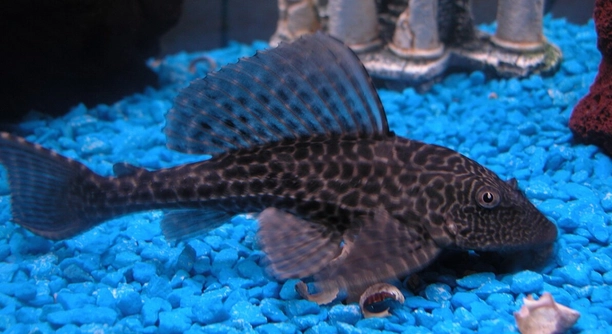
Plecos are a popular choice for aquarium enthusiasts, thanks to their unique looks and helpful cleaning habits. However, they can be a bit tricky when it comes to keeping them with other fish.
Plecos should be separated in certain situations to avoid stress, aggression, or injury. They may become territorial, especially with other bottom dwellers, or they might face challenges due to incompatible tank mates, leading to health risks.
Understanding when and why to separate your plecos can prevent issues like overcrowding or territorial conflicts. With the right care, you can ensure their health and happiness while maintaining a peaceful tank environment.
When Plecos Become Territorial
Plecos can be territorial, especially as they grow older. They tend to claim a specific area in the tank, and if another pleco or similar fish enters that space, it can lead to fights. This behavior is common in plecos of the same species but can also happen with other fish if the space is limited. If you have multiple plecos in your tank, it’s important to monitor their interactions. Aggressive plecos may chase, nip, or even injure each other, which can cause stress and harm their health. It’s a good idea to provide enough hiding spaces and territories to reduce the chance of conflict.
Sometimes, the tension caused by territorial behavior can go unnoticed until the plecos start showing visible signs of stress or damage. Keeping a close eye on their interactions can help prevent things from escalating.
In some cases, you might need to consider separating the plecos. Adding more hiding spots or rearranging the tank layout can help reduce conflict, but if the aggression continues, it’s best to separate them. This not only ensures the safety of your fish but also creates a more peaceful environment for the rest of the tank’s inhabitants.
Plecos in Small Tanks
In small tanks, plecos face more challenges. Their territorial nature can be more pronounced, especially when there’s limited space. With less room to move around, plecos may become stressed and more likely to show aggression.
Small tanks make it harder for plecos to establish their own space. Without enough hiding places, they can become anxious and hostile. This can lead to fights, poor health, and even premature death. A larger tank allows plecos to spread out, reducing stress and giving them the space they need to thrive.
Plecos with Other Bottom Dwellers
When plecos are housed with other bottom-dwelling fish, problems can arise. These fish often compete for the same space and resources. Plecos, with their territorial nature, may feel threatened and act aggressively toward other bottom dwellers. Fish like catfish, other plecos, or shrimps can be at risk.
If you already have bottom-dwelling fish, it’s best to observe how they interact with the pleco. Sometimes, they can coexist peacefully if enough hiding spots are available. However, if one fish seems to dominate the area or chase others away, separating them is necessary. This ensures everyone stays healthy.
The competition for space can be stressful for all fish involved. It’s crucial to monitor the tank regularly to see if the pleco becomes more aggressive over time. Overcrowding at the bottom can also cause poor water quality, making it harder for all fish to thrive. Adding more decorations or creating more hiding spaces can help reduce aggression.
Plecos in Breeding Conditions
Breeding conditions can alter pleco behavior. When they are preparing to breed, plecos become more territorial. Males will often guard their nests aggressively. This is natural but can cause issues if there are other plecos or fish nearby. Aggressive behavior may increase during this time, so it’s important to keep other fish separated.
If your pleco begins to breed, consider giving them their own space. Remove any potential threats to their nest, like other plecos or fish that might invade their territory. Providing additional hiding spots can also help calm things down. A separate breeding tank is a good idea to reduce aggression during this time.
Plecos with Aggressive Fish
When plecos are kept with aggressive fish, stress levels can rise quickly. Aggressive fish might bully the pleco, causing it to hide or act defensively. Plecos usually prefer a peaceful environment, and aggression can impact their health. The stress of being attacked may lead to injuries.
It’s best to house plecos with peaceful fish that won’t challenge them. If your pleco shows signs of stress, such as hiding more often or becoming lethargic, it’s a good indication that the fish around it may be too aggressive. Separating them can restore calm and prevent injury.
Plecos and Incompatible Tank Mates
Certain fish just don’t mix well with plecos. Species that are overly territorial or too active can stress plecos out. Some fish may also nip at plecos’ sensitive fins or compete for food. This can cause health issues or lead to aggression in plecos.
It’s crucial to research tank mates carefully before adding them to a pleco’s environment. If you’re unsure, start with fish that are generally calm and don’t compete for the same resources. This can create a harmonious tank where all fish feel safe and healthy.
FAQ
How can I tell if my pleco is stressed?
Plecos show signs of stress through behavior and physical changes. Common indicators include hiding more than usual, loss of appetite, and unusual swimming patterns. They may also become more aggressive or lethargic. If your pleco is constantly hiding or not moving around much, it could be stressed. Poor water quality, aggressive tank mates, or overcrowding can all contribute to this. Keep an eye on these signs to ensure your pleco is healthy.
Can plecos live with other plecos?
It depends on the species and tank size. In smaller tanks, plecos of the same species might fight for territory, especially if they are males. However, in larger tanks with enough hiding spots and space, plecos can often live together peacefully. It’s best to have one pleco per 50 gallons, with a well-decorated environment to avoid territorial issues. If you notice aggression, separating them is recommended.
What size tank is best for a pleco?
The ideal tank size for a pleco is at least 30 gallons for smaller species and 75 gallons for larger species. Plecos grow large, and a cramped environment can lead to stress and health problems. Bigger tanks provide more space for the pleco to move around and set up a territory, which helps reduce aggression. Larger tanks also provide better water quality and more options for tank mates.
Can I keep plecos with fish of the same size?
Plecos can sometimes live with fish of a similar size, but it depends on the species. Peaceful, slow-moving fish are ideal tank mates. Fish that are fast, aggressive, or territorial may cause stress or injury to your pleco. Keep an eye on interactions to ensure no fish is bullying the pleco. If conflicts arise, separate the fish to prevent harm.
Are plecos sensitive to water quality?
Yes, plecos are sensitive to water quality. Poor water conditions can lead to stress and health problems. Regular water changes, maintaining the right temperature (around 75°F to 80°F), and proper filtration are essential. Plecos are bottom feeders, so they are more likely to be affected by debris and waste in the tank. Make sure to test the water regularly for ammonia, nitrites, and nitrates to keep the pleco healthy.
Do plecos need to be fed every day?
Yes, plecos need to be fed every day. They are mostly herbivores and will graze on algae in the tank. However, you should supplement their diet with algae wafers, vegetables like zucchini or cucumber, and occasionally some protein-rich foods like shrimp pellets. Overfeeding can lead to poor water quality, so monitor how much food is consumed and remove any leftovers.
Why is my pleco scraping the glass?
Plecos scrape the glass to feed on algae. While this is normal behavior, it can also indicate that there isn’t enough natural food for them in the tank. Adding algae wafers or other plant-based food will help ensure they are getting a balanced diet. However, if they continue scraping excessively, it may be a sign they are hungry or lacking proper nutrition.
Can plecos live without a filter?
It’s not recommended to keep a pleco without a filter. Plecos produce waste, and a filter helps maintain water quality by removing debris and harmful substances like ammonia. Without a filter, the water can become polluted quickly, leading to health problems for your pleco and other fish. If you choose not to use a filter, you would need to perform frequent water changes to maintain clean conditions.
Can plecos live with shrimp?
Plecos can generally live with shrimp, but caution is needed. Some larger pleco species may see smaller shrimp as food, especially if they are bottom feeders. However, smaller plecos and certain species of shrimp can coexist peacefully. Ensure your shrimp have plenty of hiding spaces, and monitor the interactions to avoid any accidents.
How often should I clean my pleco’s tank?
You should clean your pleco’s tank regularly. A general guideline is to perform a 20-30% water change every week, depending on the tank size and the number of fish. Plecos can be messy, and their waste can quickly build up. Regular cleaning and testing the water for ammonia and nitrates help maintain a healthy environment. Be sure to clean the substrate and check for algae buildup in the tank.
What can I do to prevent my pleco from becoming too aggressive?
To prevent aggression in plecos, make sure they have enough space, hiding spots, and territories to claim. Providing decorations like rocks, caves, and plants can reduce territorial disputes. Avoid keeping plecos with overly aggressive tank mates, and ensure the tank isn’t overcrowded. If aggression continues, consider separating them to ensure everyone remains safe.
Why do plecos sometimes fight?
Plecos fight because of territorial issues. In smaller tanks or tanks with limited hiding spots, plecos may become stressed and aggressive. This is especially true during breeding periods or if they feel their space is being invaded by another pleco or fish. Ensuring adequate space and plenty of hiding places can help reduce fighting.
Do plecos need a lot of oxygen in their tank?
Plecos do not require as much oxygen as some other fish, but they still need clean, well-oxygenated water. A good filtration system, along with water movement, helps provide sufficient oxygen. Plecos tend to stay near the bottom of the tank, so ensuring that the bottom water quality remains high is important for their health.
Can plecos live with goldfish?
Plecos can live with goldfish, but only under the right conditions. Goldfish are messy eaters, and their waste can affect water quality, which might stress the pleco. Plecos can help clean algae in the tank, but they should only be housed with goldfish in a well-maintained tank with adequate filtration. Both species have similar temperature requirements, so they can coexist in the same tank as long as their needs are met.
How long do plecos live?
Plecos can live for a long time, typically 10 to 15 years or more if cared for properly. Their lifespan depends on factors like water quality, diet, and tank conditions. In the wild, they may live longer due to natural environmental conditions, but with the right care in captivity, they can live long and healthy lives.
Why is my pleco not eating?
If your pleco isn’t eating, there may be several causes. Poor water quality, stress, or an unsuitable tank mate can lead to loss of appetite. Additionally, if your pleco isn’t finding enough algae or food, it may refuse to eat. Try offering a variety of foods, such as algae wafers or vegetables. If the issue persists, check the water conditions and make sure they’re optimal.
Final Thoughts
When it comes to keeping plecos, it’s important to understand their needs and behaviors. These fish are generally peaceful, but they do have their quirks. They can become territorial, especially in smaller tanks or when housed with other bottom dwellers. Knowing when and how to separate plecos is key to creating a peaceful environment for all the fish in the tank. Ensuring they have enough space, hiding spots, and the right tank mates can go a long way in preventing issues. Remember that plecos are bottom-feeders, and their diet needs to be well-balanced with algae, vegetables, and occasional protein.
If you notice aggression or stress in your pleco, it’s important to address it quickly. Sometimes, separating them from other fish or adding more hiding spaces can help. It’s also worth checking the water quality regularly, as poor water conditions can lead to health problems and stress for plecos. Keeping the tank clean, with proper filtration and water changes, will help prevent many issues that plecos might face. Their long lifespan makes it even more important to give them the care they need to thrive in a healthy environment.
Overall, plecos can be great additions to your aquarium, but they require attention and care. Keeping them in the right conditions—adequate space, proper diet, and compatible tank mates—will help ensure they live a happy and healthy life. If you are unsure whether your pleco should be separated from others, observe their behavior closely and make adjustments if necessary. By understanding their needs and providing the right environment, you’ll be able to enjoy having plecos as part of your aquarium for years to come.

Hello,
If you enjoy the content that we create, please consider saying a "Thank You!" by leaving a tip.
Every little bit helps us continue crafting quality advice that supports the health, happiness, and well-being of pets around the world, for pets of all shapes, sizes, and species.
We really appreciate the kindness and support that you show us!