
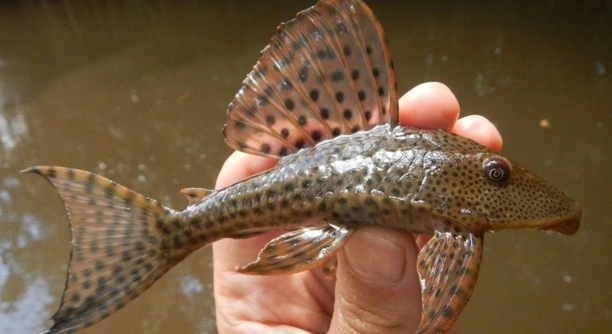
Plecos are fascinating fish, known for their unique behaviors and helpful role in aquarium cleaning. However, there are times when these peaceful creatures need to be separated to ensure their well-being and health.
Plecos should be separated in situations involving territorial aggression, overpopulation, incompatible species, breeding conditions, or stress from overcrowding. Properly managing their space and social dynamics is essential for maintaining a healthy environment.
Knowing when to separate plecos will help improve their quality of life and ensure the aquarium remains balanced and peaceful.
Territorial Aggression: When Plecos Clash
Plecos are typically peaceful fish, but they can become territorial, especially in confined spaces. When two plecos feel their space is being threatened, aggression may arise. This is more common with larger plecos that need more room to establish their territory. Aggressive behavior can include chasing, fin nipping, and even physical damage, which can affect their health.
If plecos are not separated, stress and injury can increase. In tanks with limited space, one pleco may feel forced to defend its territory aggressively, leading to constant conflict. These stressful conditions not only harm their physical well-being but also weaken their immune systems, making them more susceptible to disease. Proper tank size and hiding spots are essential to reduce territorial disputes.
In some cases, relocating one of the plecos to a separate tank or providing ample hiding spots can help minimize aggression. This gives each pleco a sense of security, allowing them to thrive without the constant threat of territorial clashes. By managing their environment carefully, you ensure both plecos stay healthy and calm.
Overpopulation: The Risk of Too Many Plecos
Overcrowding is another issue that can lead to plecos needing to be separated. Too many plecos in one tank leads to increased competition for resources such as food and space.
In a small tank, multiple plecos may struggle to find adequate hiding spots, food, and clean areas to rest. As a result, stress levels rise, and plecos can start exhibiting signs of aggression or ill health. To prevent this, it’s essential to consider the adult size of plecos when stocking an aquarium. A good rule of thumb is to provide at least 20 gallons of water for each pleco. This ensures they have the space they need to grow and thrive without causing conflict or stress.
Adding more space or separating plecos into different tanks can be a straightforward solution to this issue. This reduces competition, ensures proper care, and allows plecos to live in more comfortable conditions, leading to healthier and happier fish.
Incompatible Species: When Plecos Don’t Mix Well
Plecos are peaceful fish but may not always get along with other species. In some cases, they may be incompatible with certain tank mates, especially if the other species is aggressive or territorial. This can result in constant stress for the pleco, which will lead to poor health or even injury.
Certain species, such as cichlids or other bottom-dwelling fish, may try to dominate the plecos, either through aggression or competition for food. This can lead to stress, reduced feeding, and even physical harm. When this occurs, separating plecos from their tank mates is often the best solution to prevent further issues. Setting up a tank with compatible species will help ensure plecos remain in a peaceful and stress-free environment.
It’s important to choose tank mates carefully and observe behavior to make sure no one is being bullied or stressed. If conflicts arise, separating the plecos and choosing more suitable companions can restore balance to the tank and improve the overall environment for everyone.
Breeding Conditions: The Need for Space
Breeding behavior can also lead to the need for plecos to be separated. When plecos are in breeding mode, their behavior can change drastically. Males may become more aggressive while trying to claim a mate, and females may become stressed from the constant attention or harassment.
In these cases, separating the plecos temporarily can reduce stress and prevent harm. It’s important to provide a quiet and safe space for the female pleco to lay her eggs without being harassed by the male. Additionally, this separation allows both fish to recover from the breeding process. For successful breeding, the proper environment and space are critical.
Monitoring the behavior of plecos during the breeding season can help you determine if separation is necessary. Giving them the right conditions will ensure both male and female plecos stay healthy, and the breeding process can proceed without unnecessary stress or aggression.
Stress from Overcrowding: The Pressure to Separate Plecos
Overcrowding is a common reason for plecos needing to be separated. When plecos are packed into a tank with too many fish, stress levels rise. Limited space can cause plecos to become more territorial, leading to physical harm.
In an overcrowded environment, plecos struggle to find adequate food and resting spaces. They may start to exhibit signs of stress, including reduced feeding, abnormal behavior, or aggression. This can weaken their immune systems and make them more prone to illness.
Separation is an easy solution to prevent these problems. Ensuring plecos have enough room to swim freely and access resources will help them remain healthy. By removing one or more plecos to a different tank, stress levels drop, and the overall environment improves for all inhabitants.
Aggressive Behavior Toward Tank Mates
Aggressive behavior can develop when plecos feel threatened by other fish in the tank. This may occur due to the pleco’s need for personal space, or if the other species is too territorial.
In an aquarium, larger plecos may become more dominant and start pushing smaller tank mates out of feeding areas. This leads to stress for the other fish, especially if the plecos are fin-nipping or chasing them. It can cause physical harm and decrease overall tank harmony.
Separating the pleco from the other aggressive tank mate can restore peace. A separate tank or a more balanced setup helps both species thrive. Monitoring the behavior of all tank mates can avoid unnecessary stress and ensure proper care for each fish.
Lack of Hiding Spaces: Plecos Need Their Privacy
Plecos thrive when they have plenty of hiding spaces in the tank. Without proper hiding spots, they can become stressed, especially when there are other fish present. This lack of privacy can lead to territorial disputes and a general sense of unease.
A tank without sufficient hiding spaces forces plecos to constantly interact with other fish, which can increase aggression and stress. This is particularly true in tanks with multiple plecos, where each one needs a place to retreat. Adding caves, plants, or decorations can provide the necessary shelter.
If the tank remains overcrowded with fish, even the addition of hiding spaces may not be enough. In these cases, separating plecos into a larger or different tank can help reduce stress and encourage better health.
Health Issues from Stress
Stress in plecos can lead to various health problems. When plecos are constantly stressed, their immune systems weaken, making them more susceptible to diseases. This can result in loss of appetite, abnormal behavior, and even death.
To avoid these health issues, it’s essential to address the root causes of stress, such as overcrowding or incompatible tank mates. Separating plecos when necessary and providing them with the right environment will help improve their overall health and longevity. A healthy pleco is more likely to thrive and enjoy a longer, happier life.
Incompatible Tank Mates: The Importance of Compatibility
Some fish are simply not suitable tank mates for plecos. Aggressive species or those that occupy the same areas of the tank can cause problems. If plecos are constantly harassed, it can lead to stress and poor health.
It’s crucial to choose compatible species that won’t compete for food or space. Peaceful fish like other plecos or species that occupy different areas of the tank are ideal companions. Monitoring interactions between species can help avoid issues and ensure that the plecos are not stressed or injured.
FAQ
What size tank do plecos need?
Plecos require a larger tank due to their size and active nature. As a general rule, each pleco needs at least 20 gallons of water. Larger species may require up to 100 gallons or more. A spacious tank ensures plecos can establish their territories, avoid aggression, and have plenty of space to swim freely.
A tank that is too small can cause plecos to feel crowded, which leads to stress and aggression. For optimal health, it’s essential to consider both the pleco’s adult size and the overall aquarium setup. If you plan to keep multiple plecos, be sure to account for their growth and space needs.
Do plecos get along with other fish?
Plecos are typically peaceful, but their compatibility with other fish depends on the species. While many plecos can coexist with non-aggressive tank mates, some can be territorial or aggressive, particularly when competing for space or food. Avoid pairing plecos with overly aggressive species, as they might stress the pleco out.
If plecos are introduced to a tank with overly territorial or larger fish, they may be harassed or pushed around, which could lead to health issues. Monitoring their behavior regularly is key to ensuring they’re not being bullied or stressed. If aggression arises, consider separating the plecos or adjusting the tank mates.
How often should I feed my pleco?
Plecos are bottom-feeding fish that enjoy grazing on algae, but they still require supplementary feeding. A regular feeding schedule is important for their well-being. Depending on the species, plecos should be fed once or twice a day. In a well-established tank with plenty of algae, you might not need to feed them daily.
In addition to algae, plecos benefit from high-quality sinking pellets, vegetables like zucchini, and occasional protein-rich foods like brine shrimp. Be mindful not to overfeed, as excess food can pollute the water and cause health problems. Regular water changes and tank maintenance also help manage food waste.
Why is my pleco hiding all the time?
If your pleco is hiding constantly, it may be stressed, sick, or simply looking for a comfortable space. Plecos are nocturnal by nature, meaning they are more active at night. If your pleco is hiding during the day, it may be a normal behavior, especially in a new environment.
However, if hiding is accompanied by signs of illness, like a lack of appetite, abnormal swimming, or damage to the fins, it could indicate a health issue. It’s important to ensure your tank has plenty of hiding spots and that the water parameters are ideal for the pleco. A pleco that is constantly hiding in the same spot could also be indicating that it’s not feeling safe, often due to tank mates or water quality.
How do I know if my pleco is stressed?
Stressed plecos may exhibit several signs, including erratic swimming, loss of appetite, rapid gill movement, and hiding more than usual. You may also notice physical signs such as faded colors or fin damage. Stress can be caused by overcrowding, poor water quality, aggressive tank mates, or insufficient hiding spaces.
To help reduce stress, assess your pleco’s environment. Ensure the tank is the correct size, that the water is clean, and that they have plenty of hiding spaces. If the stress persists, it may be necessary to separate the pleco from other fish or adjust the tank conditions.
How do I clean a tank with a pleco?
Plecos help keep tanks clean by eating algae, but they still need assistance in maintaining overall water quality. Regular tank cleaning is essential to prevent the buildup of waste. To clean a tank with a pleco, start by removing any uneaten food and debris from the bottom.
Use a gravel vacuum to clean the substrate, and replace 20–30% of the water weekly. It’s important to check the filter regularly to ensure it’s working properly. Avoid overcleaning, as plecos rely on some algae growth for food. Additionally, make sure to monitor the water parameters (pH, temperature, and ammonia levels) to keep them within the ideal range for plecos.
Can plecos live with other plecos?
Plecos can live together, but there are some important factors to consider. Some plecos are territorial, especially males, and may become aggressive toward each other. The best way to house multiple plecos is by ensuring there’s enough space and hiding spots for everyone.
If you plan to keep multiple plecos in the same tank, make sure the tank is large enough to accommodate them without overcrowding. It’s also helpful to introduce them to the tank at the same time to minimize territorial disputes. In cases of aggression, separating the plecos might be necessary.
Why is my pleco swimming upside down?
A pleco swimming upside down is not a good sign. This behavior often indicates a health issue, such as swim bladder disease. The swim bladder is responsible for controlling the fish’s buoyancy, and when it’s damaged or infected, the fish may lose the ability to control its position in the water.
If your pleco is swimming upside down, check for other signs of illness, such as bloating, lethargy, or a loss of appetite. Providing proper water conditions and feeding a balanced diet can help, but in some cases, treatment may be required. If the issue persists, consult with a vet who specializes in aquatic animals.
Do plecos eat algae?
Yes, plecos are known for their algae-eating habits. They are especially useful in tanks with excessive algae growth, as they help keep the tank cleaner by grazing on it. Plecos typically feed on algae that grows on surfaces such as rocks, decorations, and the glass walls of the aquarium.
While plecos are effective algae eaters, they may not consume all types of algae, and they still require supplementary food. Make sure to provide sinking pellets or fresh vegetables in addition to allowing them to graze. Keep in mind that algae alone is not a balanced diet for plecos.
Final Thoughts
Plecos are resilient and versatile fish, but they require a specific environment to thrive. Understanding their needs—such as tank size, proper tank mates, and adequate hiding spaces—can make a significant difference in their overall health and happiness. Whether you have one pleco or multiple, it’s essential to monitor their well-being regularly and adjust the tank conditions as needed. This ensures that the plecos remain stress-free and healthy in their aquatic home.
Keeping a pleco is not just about maintaining water quality. It’s also about providing them with the right kind of environment. The size of the tank, the type of fish you introduce, and the care you give to their hiding spaces all play a role in creating a peaceful atmosphere for plecos. Fish like plecos need time to adapt to their surroundings, and their comfort is important for their long-term health. Paying attention to their behavior and physical appearance will help you identify issues early, preventing larger problems later.
By being proactive about their care and understanding their needs, you can enjoy watching your pleco thrive in your aquarium. Their unique behaviors and characteristics make them fascinating fish to keep, and ensuring they have a comfortable living space will contribute to their well-being. Taking the time to monitor their stress levels, feeding habits, and overall condition will make the experience more rewarding. With the right approach, plecos can become long-lasting, happy members of your tank.

Hello,
If you enjoy the content that we create, please consider saying a "Thank You!" by leaving a tip.
Every little bit helps us continue crafting quality advice that supports the health, happiness, and well-being of pets around the world, for pets of all shapes, sizes, and species.
We really appreciate the kindness and support that you show us!