
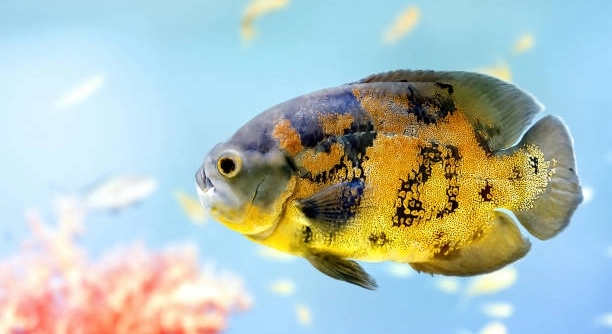
Have you ever noticed how some Oscars, despite their fame, seem to retreat from the spotlight? This behavior can be puzzling, but there are various reasons why it might happen. In this article, we’ll explore seven situations where Oscars become reclusive.
Oscars can display reclusive behavior due to factors such as environmental stress, lack of stimulation, or illness. A sudden change in their surroundings or poor water quality can lead them to hide or become less active, seeking solitude.
Understanding these factors can help in recognizing the signs of stress and ensuring the proper care for your Oscars.
Environmental Changes Can Trigger Stress
When Oscars face changes in their environment, such as a shift in water temperature, lighting, or tank layout, they may feel stressed. These changes disrupt their comfort zone, causing them to retreat and hide. Even minor adjustments can have an impact, leading to noticeable behavioral shifts. Oscars, like many fish, are sensitive to their surroundings and require stability. It’s crucial to maintain a consistent environment to keep them healthy and active.
Small changes, such as rearranging their tank or adding new decorations, can overwhelm them. Oscars rely on their space and might retreat to a corner or underneath objects when feeling uneasy. To avoid stressing them, stick to a routine for water changes, lighting, and tank arrangements.
If your Oscar shows signs of reclusive behavior after an environmental change, it’s important to give it time to adjust. Observe how it responds to its environment, ensuring the water conditions are ideal and that the tank remains calm and undisturbed.
Illness Can Lead to Isolation
Health issues can cause Oscars to isolate themselves as they seek rest and recovery.
Illness often results in Oscars staying hidden in dark corners or near the bottom of the tank. This is a common response to discomfort. If you notice this behavior, consider checking the water quality and monitoring for any symptoms of disease. Proper treatment and maintaining clean water are essential for their recovery.
Poor Water Quality Affects Behavior
Oscars are particularly sensitive to poor water quality, which can lead to stress and a desire to hide.
When water conditions worsen—such as high levels of ammonia, nitrites, or low oxygen—it can harm the Oscar’s health, prompting them to seek shelter. Oscars may also become lethargic or lose their appetite when the water quality is compromised. Regular water testing and maintenance are vital in ensuring your Oscar feels comfortable in its habitat. Keeping the tank clean and doing frequent water changes will help create a healthier environment for your Oscar to thrive.
Water conditioners and filtration systems can also help maintain the right balance, reducing stress. If you notice reclusive behavior, check the water parameters immediately. A quick response can often reverse the behavior and bring your Oscar back to a healthy, active state.
Overcrowding Can Make Oscars Retreat
Overcrowding is another issue that can cause Oscars to hide or act reclusive. Too many fish in the tank create competition for space and food, making Oscars feel stressed and unsafe. It’s essential to provide enough room for each fish to thrive, as overcrowding leads to aggression and anxiety.
When Oscars don’t have enough personal space, they may retreat to corners or avoid interacting with other fish. To prevent this, it’s important to research the ideal tank size for your Oscar and monitor the population of your aquarium. If overcrowding is a concern, consider upgrading the tank or rehoming other fish.
Proper tank management ensures your Oscar has the environment it needs to remain calm. Always check the tank size and the number of fish to avoid overcrowding, as it can trigger unwanted behaviors in your Oscar. A peaceful environment helps your Oscar stay more active and less reclusive.
Lack of Stimulation Can Cause Withdrawal
Oscars are intelligent and need mental stimulation to remain active and engaged. Without enough to do, they may become bored and withdrawn. Lack of stimulation can result in a lack of interest in swimming or interacting with their surroundings, leading them to retreat into isolation.
Providing enrichment, such as toys, new plants, or hiding spots, helps keep your Oscar engaged. Moving decorations or rearranging the tank also offers variety, encouraging exploration. However, too many changes at once can cause stress, so it’s important to introduce new items gradually. Keeping your Oscar’s environment interesting is key to preventing boredom.
Offering a variety of items in the tank ensures your Oscar stays curious and active. Lack of stimulation can lead to a reclusive Oscar, but with simple adjustments, you can provide an environment that sparks their interest. This small change can lead to noticeable improvements in your Oscar’s behavior.
Sudden Changes in Diet Can Cause Stress
Oscars may become reclusive if there’s a sudden shift in their diet. Changing their food too quickly can upset their digestive system, leading to discomfort and retreat. Gradually introducing new foods ensures a smoother transition without causing unnecessary stress.
If you plan to change your Oscar’s diet, do so slowly over a period of time. This will give your fish a chance to adjust and prevent any shock to its system. Sudden food changes can affect their mood, leading them to hide or act lethargic. Consistency is key to a healthy Oscar.
Aggressive Tankmates Can Lead to Hiding
Aggression from other tankmates can cause your Oscar to hide. Oscars are territorial and may feel threatened by other fish. This can lead to them isolating themselves in the tank.
Adding peaceful companions that won’t challenge the Oscar’s space or food is important. Oscars may need a little time to adjust to new tankmates, especially if they feel their territory is being encroached upon. Providing plenty of hiding spots can also help reduce stress, allowing the Oscar to feel safe in its environment.
Breeding Behavior Can Trigger Isolation
When Oscars are preparing to breed, they may become more reclusive. During this time, they may seek solitude or protect a particular area in the tank. This behavior is typical, as they focus on preparing a safe space for their eggs.
It’s important to monitor your Oscar’s behavior if you notice it becoming more isolated. If they are paired with a mate, they may defend a particular spot in the tank, causing them to retreat from the rest of the tank. This behavior should subside once the breeding process is over.
FAQ
What causes an Oscar to hide in the tank?
Oscars can hide in the tank for several reasons, including stress, illness, poor water quality, or a change in their environment. Stressors such as overcrowding, aggression from tankmates, or inadequate stimulation can cause them to seek shelter. It’s important to monitor their behavior and water conditions to identify the root cause. If the Oscar continues to hide for extended periods, it could be a sign of health issues or discomfort with their surroundings.
How do I know if my Oscar is stressed?
Signs of stress in an Oscar include hiding for long periods, loss of appetite, and unusual swimming patterns. You might also notice them spending more time near the bottom of the tank or in darker areas. Physical signs such as faded colors or clamped fins can also indicate stress. To reduce stress, check the water quality, maintain a peaceful tank environment, and avoid sudden changes.
Can Oscars get lonely?
Oscars are generally solitary fish and may prefer having their own space. While they don’t necessarily get lonely, they can become stressed if kept with overly aggressive or dominant tankmates. Oscars thrive best in tanks where they have enough space to establish territory. However, if you add a compatible mate, they might form a bond during breeding.
What should I do if my Oscar is not eating?
If your Oscar is not eating, check the water quality first. Poor water conditions can lead to a loss of appetite. Additionally, try offering different types of food, as Oscars can become picky. Ensure the food is fresh and appropriate for their diet. If the issue persists for several days, it’s worth consulting a vet to rule out any health problems.
Can Oscars live with other fish?
Oscars are best kept with larger, peaceful fish that won’t compete for territory. They can be territorial and aggressive, especially when stressed or breeding. Avoid placing smaller or more timid fish with Oscars, as they might be bullied. Always ensure your tank has enough space to accommodate all fish comfortably and provide hiding spots for those that may need them.
How often should I change the water in my Oscar’s tank?
Water changes for Oscars depend on the size of the tank and the number of fish, but generally, 25-30% of the water should be changed every two weeks. In a smaller tank or if you have a large Oscar, more frequent changes may be necessary. Maintaining proper filtration and testing water parameters regularly will also help keep the tank clean and safe for your Oscar.
Why is my Oscar staying near the surface?
Oscars may stay near the surface if they are having trouble breathing or if there’s a lack of oxygen in the water. Check the water’s oxygen level and the filter to ensure it’s functioning correctly. Oscars might also stay at the surface if they’re stressed or if the water temperature is too high. If the behavior continues, test for water quality and seek professional advice.
How can I tell if my Oscar is sick?
A sick Oscar may exhibit signs such as lethargy, discoloration, clamped fins, difficulty swimming, or a lack of appetite. Look for unusual spots, lesions, or swelling on their body, as these could indicate infection or parasites. If you observe these symptoms, it’s important to isolate your Oscar and start treatment as soon as possible.
Do Oscars need a heater?
Yes, Oscars require a heater to maintain a stable water temperature between 74°F and 81°F (23°C to 27°C). They are tropical fish, and fluctuations in temperature can cause stress or health issues. A consistent temperature helps keep them active and comfortable, promoting better overall health.
Can Oscars live without a filter?
While it’s possible for Oscars to survive without a filter for short periods, it’s not ideal. Oscars produce a lot of waste, which can quickly lead to poor water quality. A good filtration system is crucial for maintaining clean water, removing excess nutrients, and providing a healthy environment for your Oscar. Without a filter, you’ll need to perform more frequent water changes to keep the water safe.
What size tank does an Oscar need?
A single Oscar requires a minimum of a 55-gallon tank, but a 75-gallon tank or larger is ideal. Oscars grow large and need ample space to swim and establish territory. If you plan to keep multiple Oscars or other fish, you’ll need a larger tank. Always ensure that the tank is big enough for the Oscar to move around comfortably and have plenty of space.
Why is my Oscar swimming sideways?
If your Oscar is swimming sideways or upside down, it could be a sign of a serious issue, such as swim bladder disease or internal parasites. Swim bladder problems are often caused by infections, poor water conditions, or overfeeding. If this behavior persists, it’s important to consult a vet or aquarium expert for advice and treatment options.
Can Oscars live with plants in their tank?
Oscars can live with plants in their tank, but they may uproot or damage them due to their active nature and digging habits. If you want to include plants, choose hardy varieties like Anubias or Java Fern, which are more resistant to Oscar behavior. Alternatively, you can opt for plastic plants that can withstand the Oscar’s movements.
How can I help my Oscar feel more comfortable in the tank?
To help your Oscar feel more comfortable, ensure the tank is large enough and has plenty of hiding spots. Adding decorations, such as rocks, caves, or plants, gives your Oscar a place to retreat when feeling stressed. Also, maintaining stable water conditions, keeping the tank clean, and avoiding sudden changes can help them feel safe and secure.
Final Thoughts
Oscars are fascinating fish with unique personalities. They can become reclusive or exhibit changes in behavior for a variety of reasons, such as stress, illness, or environmental changes. Recognizing the signs and understanding what might cause these behaviors is key to ensuring they remain healthy and comfortable. Keeping their tank clean, maintaining stable water conditions, and providing enough space are all essential factors in preventing them from becoming too stressed or withdrawn. With the right care and attention, Oscars can thrive and display their natural curiosity and activity.
When an Oscar starts to hide or display unusual behaviors, it’s important to consider the potential causes and address them quickly. Whether it’s poor water quality, an issue with tankmates, or changes in their diet, each factor can contribute to a change in behavior. Observing your Oscar carefully and making gradual adjustments to their environment will often help restore their normal behavior. Avoiding sudden changes or introducing stressors into their tank can make a significant difference in their well-being.
In conclusion, understanding and responding to your Oscar’s needs is crucial in providing them with a long and healthy life. While they may become reclusive at times, the right care can encourage them to remain active and engaged. Keep an eye on their health, maintain proper tank conditions, and choose compatible tankmates to ensure they feel safe and secure. By paying attention to their behavior and needs, you can help your Oscar live a happy and thriving life.

Hello,
If you enjoy the content that we create, please consider saying a "Thank You!" by leaving a tip.
Every little bit helps us continue crafting quality advice that supports the health, happiness, and well-being of pets around the world, for pets of all shapes, sizes, and species.
We really appreciate the kindness and support that you show us!