
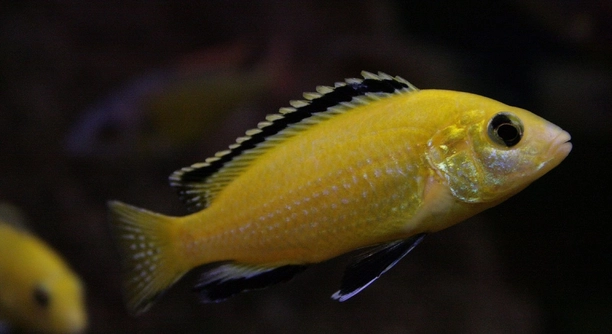
Do your electric yellow cichlids sometimes freeze in place for no apparent reason, leaving you unsure if they are sick or stressed? Many owners notice this unusual behavior and wonder about its causes and implications.
Electric yellow cichlids may freeze in place due to environmental stress, water parameter fluctuations, aggression from tank mates, illness, feeding disturbances, breeding behaviors, or sudden changes in lighting. Identifying the underlying cause is essential for maintaining their health and stability.
Understanding these behaviors can help you provide a calmer, healthier environment. We will examine each situation to guide you in supporting your cichlids effectively.
Sudden Changes in Water Temperature
Electric yellow cichlids are sensitive to rapid shifts in water temperature. A sudden drop or rise can cause them to freeze as their metabolism adjusts to the new conditions. Even a few degrees difference may trigger this behavior. Maintaining a consistent temperature between 76°F and 82°F helps prevent stress. New water additions should be carefully acclimated. Avoid placing heaters or filters where water flow causes uneven temperatures. Observing your tank’s temperature at different points ensures all areas remain stable. Sudden drafts, open windows, or direct sunlight can also create temperature fluctuations. Consistent monitoring and small adjustments can reduce freezing incidents and help the cichlids feel secure. In multi-tank setups, each aquarium may have slightly different temperatures, making careful measurement crucial. Over time, stability allows fish to remain active and reduces prolonged freezing episodes.
Monitoring tank temperature regularly ensures cichlids remain comfortable and less likely to freeze. Small, steady changes are better than sudden adjustments.
Freezing from temperature changes can also indicate early signs of stress-related health issues. Providing gradual acclimation and maintaining uniform warmth encourages normal swimming and feeding behaviors. Consistency supports their natural rhythms and reduces prolonged immobility.
Aggression from Tank Mates
Freezing often occurs when cichlids face aggressive tank mates. Dominant fish may chase or corner them, causing them to stay motionless to avoid confrontation.
Aggressive interactions can lead to stress and prevent normal activity. Rearranging tank decorations and ensuring adequate hiding spots reduces tension.
Electric yellow cichlids may freeze when larger or more dominant fish display territorial behavior. They instinctively remain still to avoid attention. Overcrowding intensifies stress, as fish have limited space to retreat. Providing caves, plants, and other shelters allows cichlids to feel safe and reduces confrontations. Observing interactions helps identify patterns of aggression and ensures compatibility. Temporary separation or rehoming aggressive fish can protect vulnerable individuals. Additionally, maintaining proper male-to-female ratios minimizes territorial disputes. Understanding social dynamics within the tank is key to reducing stress-induced freezing. Consistent monitoring and adjustments support a stable environment where all fish can swim freely. Over time, these measures improve both physical health and behavioral well-being of electric yellow cichlids.
Illness or Parasites
Freezing can signal illness or parasites. Infected cichlids often stay motionless to conserve energy and avoid stress while their bodies fight off disease.
Illnesses such as bacterial infections, fungal growths, or internal parasites can weaken electric yellow cichlids. Symptoms often include loss of appetite, faded coloration, or unusual swimming patterns. Stress from freezing may exacerbate the condition. Quarantining affected fish and treating them with appropriate medications can prevent spread. Maintaining clean water and monitoring water parameters reduce the risk of disease. Regular observation helps detect subtle changes early. Prompt intervention improves recovery chances and minimizes long-term health complications.
Parasites also trigger freezing behavior as fish become lethargic and conserve energy. They may hide in corners or near decorations to avoid exposure. Identifying the type of parasite is essential for treatment. Medications and water treatments tailored to the specific parasite, along with maintaining optimal water quality, can restore normal activity. Recovery can be gradual, but consistent care encourages cichlids to regain strength and reduce prolonged immobility in the tank environment.
Breeding Behavior
Freezing is common during breeding periods. Males and females may remain still near chosen spawning sites, protecting eggs or fry from disturbance.
During breeding, electric yellow cichlids exhibit territorial and cautious behavior. Males often guard specific areas, while females remain near eggs or newly hatched fry. This stillness minimizes attention from other fish and helps protect offspring. Disturbances, such as sudden movements or tank rearrangements, can increase freezing episodes. Providing separate breeding tanks or hiding spots allows natural reproductive behavior without stress. Observing these patterns helps determine when freezing is part of normal breeding activity. Environmental consistency, including temperature, lighting, and tank decorations, supports reproductive health and encourages proper care of eggs and fry.
Sudden Lighting Changes
Electric yellow cichlids may freeze when exposed to sudden bright lights or darkness. Rapid changes startle them, causing temporary immobility as they adjust to the new environment.
Consistent lighting schedules reduce stress. Using dimmers or gradually turning lights on and off helps cichlids acclimate. Avoid placing the tank near windows or rooms with fluctuating light.
Feeding Disturbances
Freezing can occur if food is scarce or feeding routines are irregular. Fish may pause mid-swim while waiting for food or assessing the situation. This behavior is common when multiple fish compete for the same meal.
Providing measured portions and maintaining a consistent feeding schedule minimizes stress. Using slow-release or sinking foods can help ensure all cichlids get access. Observing feeding interactions allows you to spot dominance behaviors and prevent prolonged immobility due to competition.
Stress from Tank Maintenance
Electric yellow cichlids often freeze during water changes or tank cleaning. Sudden movements and changes in water conditions can startle them, leading to temporary stillness.
Maintaining a gentle approach and gradual adjustments during maintenance reduces stress. Using soft water flow and avoiding abrupt temperature shifts helps cichlids remain active.
Why do my electric yellow cichlids freeze in place suddenly?
Freezing often occurs in response to sudden changes in their environment. Rapid temperature shifts, bright lights, or aggressive tank mates can startle them. This behavior is a natural stress response that allows the fish to conserve energy and avoid drawing attention from perceived threats.
Is freezing always a sign of illness?
Not always. While illness or parasites can cause freezing, normal behaviors like breeding, feeding, or reacting to minor environmental changes can also result in temporary stillness. Observing additional signs such as loss of appetite, discoloration, or abnormal swimming is necessary to determine health concerns.
Can tank setup influence freezing behavior?
Yes. Overcrowded tanks, lack of hiding spaces, or uneven water flow can increase stress. Providing adequate territory, shelters, and proper spacing between fish reduces freezing incidents. Consistent monitoring and small adjustments to decorations, rocks, and plants help create a secure environment.
How does temperature affect electric yellow cichlids?
Cichlids are sensitive to temperature fluctuations. Sudden drops or spikes can make them freeze as metabolism slows or accelerates. Maintaining water between 76°F and 82°F and acclimating new water gradually helps prevent freezing and keeps fish active and healthy.
Can lighting changes cause freezing?
Yes. Sudden bright lights or abrupt darkness can startle cichlids, causing them to remain motionless. Gradual adjustments using dimmers or timed lighting schedules help the fish adapt. Avoid placing the tank near windows with shifting sunlight. Consistent lighting reduces stress-related freezing.
Does diet affect freezing behavior?
Irregular feeding or competition over food can lead to freezing. Fish may pause mid-swim when unsure of access to food. Providing measured portions, using sinking food, and observing interactions ensures all fish are fed and prevents prolonged immobility.
Are aggressive tank mates a common reason for freezing?
Absolutely. Dominant or territorial fish can intimidate others, causing them to stay still to avoid conflict. Rearranging decorations for hiding spots, reducing overcrowding, and monitoring social behavior minimizes stress and freezing episodes.
Is freezing during breeding normal?
Yes. Males and females may remain still near spawning sites or eggs to protect them. This behavior is instinctive and helps reduce attention from other fish. Providing separate breeding tanks or ample hiding areas supports safe reproductive behavior.
How can I tell if freezing is due to stress or illness?
Observe additional signs. Stress-induced freezing usually occurs after environmental changes, aggressive encounters, or feeding disturbances. Illness-related freezing is accompanied by faded color, lethargy, loss of appetite, or unusual swimming. Monitoring these patterns helps identify the cause and guide treatment.
What steps can I take to reduce freezing?
Maintain stable water parameters, consistent lighting, and regular feeding schedules. Ensure adequate hiding spots and manage social dynamics. Gradual changes in temperature or tank setup reduce stress. Monitoring behavior regularly allows early detection of health issues and helps electric yellow cichlids remain active and comfortable.
Can prolonged freezing harm electric yellow cichlids?
Extended periods of immobility can increase susceptibility to disease and weaken the fish. Reducing stressors and maintaining optimal conditions supports energy levels and overall health, preventing long-term issues related to repeated freezing behavior.
How often should I observe my cichlids for freezing behavior?
Daily observation is ideal. Regular monitoring helps identify patterns related to feeding, aggression, or environmental changes. Early recognition allows timely adjustments to tank conditions, promoting a stable and stress-free environment.
Are there any preventive measures for freezing?
Yes. Consistent water temperature, gentle maintenance routines, adequate space, and proper social balance prevent freezing. Using gradual lighting changes and predictable feeding schedules further reduces stress. Preventive care encourages normal activity and healthier cichlids.
Can freezing behavior indicate serious health problems?
In some cases, yes. If freezing is accompanied by physical symptoms like clamped fins, bloating, lesions, or persistent lethargy, immediate attention is needed. Prompt intervention with proper treatment improves survival and minimizes long-term health risks.
Does tank size influence freezing behavior?
Smaller tanks can increase stress due to limited space and increased territorial disputes. Providing sufficient space and environmental enrichment allows fish to swim freely and reduces freezing caused by overcrowding or social tension.
What role does water quality play in freezing?
Poor water quality, including high ammonia, nitrite, or nitrate levels, can stress cichlids and trigger freezing. Regular testing, water changes, and filtration maintenance are essential to ensure a healthy environment and reduce immobilization episodes.
Can freezing be a temporary response?
Yes. Many times, freezing lasts only a few minutes while the fish adjust to new stimuli. Temporary stillness is normal if there are no other signs of illness, and the fish resumes regular activity once comfortable.
How long should I wait before intervening if my cichlid freezes?
Observe for a short period, usually 10–15 minutes. If freezing persists or other concerning symptoms appear, assess water conditions, tank mates, and possible health issues. Early intervention prevents complications and supports recovery.
Does introducing new fish affect freezing?
Yes. New tank mates can cause stress and territorial disputes, leading existing cichlids to freeze. Quarantine new fish, introduce them gradually, and provide hiding spaces to minimize stress and maintain harmony.
Can stress from humans cause freezing?
Frequent tapping on the tank, sudden movements, or handling can startle cichlids. Minimizing disturbances and approaching the tank calmly helps reduce freezing behavior and promotes a comfortable environment for the fish.
Are there signs that freezing is not normal?
Persistent freezing combined with faded color, clamped fins, lack of appetite, or unusual posture indicates potential health or environmental problems. Monitoring these signs ensures timely action to protect your cichlids.
How important is routine maintenance in preventing freezing?
Routine cleaning, water testing, and careful adjustments prevent stress-related freezing. Gradual changes during maintenance, such as water replacement and gentle filtration, support cichlids’ stability and overall well-being.
Can stress from other animals trigger freezing?
Yes. Presence of large or predatory fish in nearby tanks or sudden disturbances from pets near the aquarium can startle cichlids. Minimizing external threats helps maintain normal swimming and reduces freezing episodes.
Does the age of the cichlid affect freezing behavior?
Younger fish may freeze more frequently due to inexperience and heightened sensitivity to environmental changes. Older, established fish often cope better with stress but can still exhibit freezing if conditions change abruptly.
Are there behavioral cues that predict freezing?
Yes. Hesitation before swimming, staying close to shelter, or sudden stops can indicate impending freezing. Recognizing these cues allows preemptive adjustments to reduce stress and maintain normal activity.
Can supplements or water additives reduce freezing?
Certain stress-reducing additives can improve water stability and calm cichlids, but they are not a replacement for proper tank management. Focus on maintaining temperature, water quality, and social balance for the best results.
Does seasonal change affect freezing behavior?
Seasonal fluctuations in room temperature or natural light may impact cichlids. Monitoring conditions during seasonal changes and adjusting tank temperature or lighting gradually prevents stress-induced freezing.
How can I encourage activity after freezing?
Gentle stimulation, feeding, or providing familiar surroundings can encourage movement. Avoid sudden changes or handling immediately after freezing, as this may prolong immobility and increase stress.
Can freezing behavior be completely prevented?
While some freezing is natural, consistent care, stable environment, and proper tank management minimize occurrences. Most instances can be reduced through monitoring, routine maintenance, and attention to social dynamics.
What should I do if freezing persists despite all precautions?
Persistent freezing may indicate underlying health problems or severe stress. Consult an aquatic veterinarian for assessment. Detailed observations and water parameters help professionals identify causes and recommend treatment.
Is freezing more common in certain personalities of cichlids?
Yes. Timid or submissive individuals freeze more readily than dominant or confident fish. Recognizing individual temperaments helps tailor tank setup and social groupings to reduce stress and freezing.
Does water flow affect freezing?
Strong currents can overwhelm some cichlids, causing them to freeze in calmer areas. Adjusting flow and providing low-current zones allows fish to move comfortably and reduces stress-induced immobility.
Are there long-term consequences of repeated freezing?
Chronic stress from frequent freezing can weaken the immune system and reduce growth. Maintaining optimal conditions, stable social environments, and proper diet supports long-term health and minimizes repeated freezing episodes.
How can I track freezing behavior effectively?
Regular observation, noting time of day, tank conditions, and interactions helps identify patterns. Recording behaviors assists in adjusting tank setup and care routines to reduce stress and promote active swimming.
Does tank water chemistry influence freezing?
Yes. Imbalances in pH, hardness, or ammonia levels stress cichlids, often causing freezing. Regular water testing and adjustments ensure stable chemistry and reduce immobilization episodes.
Can freezing indicate readiness to breed?
Freezing near certain areas or decorations may signal spawning behavior. Observing for paired behavior, territorial guarding, and proximity to eggs helps distinguish breeding-related freezing from stress or illness.
How do I differentiate normal from abnormal freezing?
Normal freezing is brief and occurs in response to minor stimuli. Abnormal freezing is prolonged, paired with physical symptoms, or occurs without environmental triggers. Careful observation and documentation help determine the nature of the behavior.
Can water changes cause freezing even if temperature is stable?
Yes. Fish may freeze from sudden movement or water disturbances. Conducting water changes slowly, avoiding drastic shifts in flow or chemistry, and using calming techniques minimizes stress-induced freezing.
Does tank decoration placement affect freezing?
Sparse or poorly arranged decorations can increase vulnerability to perceived threats. Adding caves, plants, and hiding spots reduces stress and encourages natural exploration, minimizing freezing behavior.
Can freezing indicate fear of predators?
Even in a safe tank, electric yellow cichlids may freeze in response to shadows, reflections, or movement outside the aquarium. Providing predictable surroundings and minimizing disturbances helps reduce fear-induced freezing.
Is freezing behavior common in all electric yellow cichlids?
While individual sensitivity varies, most exhibit freezing at some point due to environmental changes, social interactions, or stress. Understanding typical triggers helps manage behavior and maintain healthy activity levels.
How can I improve tank conditions to reduce freezing?
Maintain stable temperature, clean water, gentle lighting, and adequate space. Provide hiding spots, monitor social dynamics, and feed consistently. Adjusting these factors minimizes stress and encourages normal, active behavior in electric yellow cichlids.
Does tank size and population density affect freezing?
Smaller, overcrowded tanks increase territorial disputes and stress. Providing ample space and monitoring stocking levels allows fish to move freely and reduces freezing due to social pressure or limited room.
Can freezing be a response to unfamiliar objects in the tank?
Yes. New decorations, equipment, or sudden changes can startle cichlids. Introducing items gradually and allowing acclimation reduces stress-induced freezing and helps fish explore the tank confidently.
How long does freezing usually last?
Most freezing episodes are brief, lasting a few seconds to minutes. Persistent freezing over hours indicates stress, illness, or environmental issues requiring immediate attention. Monitoring behavior ensures timely intervention and proper care.
Can stress from humans visiting the room cause freezing?
Yes. Sudden movements, shadows, or loud noises can startle fish. Maintaining calm activity around the tank helps minimize fear-induced freezing and keeps cichlids comfortable and active.
What are early warning signs before freezing occurs?
Hesitant swimming, lingering near hiding spots, or sudden stops often precede freezing. Recognizing these behaviors allows adjustments to reduce stress and maintain normal activity patterns.
Do seasonal temperature shifts affect freezing frequency?
Yes. Changes in room temperature or natural light patterns can impact behavior. Monitoring conditions and adjusting heating or lighting gradually prevents stress-related freezing.
Can stress from other pets affect freezing?
Pets near the aquarium, like cats or dogs, may startle cichlids. Minimizing disturbances and creating secure hiding areas reduces fear and prevents stress-induced freezing.
Are some cichlids more prone to freezing than others?
Timid or submissive individuals freeze more easily than dominant fish. Recognizing personalities helps arrange tanks and social groupings to reduce stress and promote active behavior.
Does water flow influence freezing?
Strong currents can overwhelm cichlids, causing freezing in calmer zones. Adjusting flow and providing low-current areas allows comfortable swimming and reduces immobilization.
Can repeated freezing cause long-term health issues?
Chronic stress from frequent freezing can weaken immunity and stunt growth. Maintaining stable conditions, social balance, and proper nutrition supports long-term health and reduces repeated immobilization.
How should I observe freezing for proper tracking?
Record the time of day, environmental conditions, and social interactions. Observations reveal patterns, allowing adjustments in tank management to minimize stress and promote normal activity.
Does water chemistry trigger freezing?
Yes. Unstable pH, hardness, or ammonia levels stress cichlids, causing freezing. Regular testing and adjustments maintain stable chemistry, reducing immobilization episodes.
Can freezing indicate breeding readiness?
Freezing near specific areas may signal spawning behavior. Watching for paired interactions and egg guarding helps distinguish breeding-related freezing from stress or illness.
How do I distinguish normal from abnormal freezing?
Normal freezing is short and linked to minor stimuli. Abnormal freezing is prolonged, accompanied by physical symptoms, or occurs without triggers. Careful observation clarifies the cause and informs action.
Can water changes cause freezing even if temperature is stable?
Yes. Sudden movement or water disturbances can startle fish. Conduct changes gradually, minimizing flow and chemical shocks to reduce freezing behavior.
Does tank decoration placement matter?
Yes. Poorly arranged decorations increase vulnerability. Adding caves, plants, and hiding spots reduces stress and encourages exploration, minimizing freezing.
Can freezing be fear-related?
Yes. Shadows, reflections, or sudden movements outside the tank can trigger freezing. Consistent surroundings help cichlids feel secure.
Is freezing common in all electric yellow cichlids?
Most exhibit freezing at some point. Understanding triggers helps manage behavior and maintain healthy activity levels.
How can I improve tank conditions?
Stable temperature, clean water, gentle lighting, adequate space, hiding spots, proper feeding, and monitoring social dynamics reduce stress and freezing.
Does tank size affect freezing?
Smaller, crowded tanks increase stress and territorial disputes. Adequate space reduces freezing caused by social pressure.
Can new objects trigger freezing?
Yes. Gradual introduction of decorations or equipment reduces stress and encourages exploration.
How long does freezing last?
Usually seconds to minutes. Extended freezing indicates stress or illness needing attention.
Can human activity trigger freezing?
Yes. Sudden movements, shadows, or loud noises can startle cichlids. Calm behavior around the tank minimizes stress.
Early signs before freezing
Hesitant swimming, lingering near shelter, or sudden stops often predict freezing. Recognizing cues allows adjustments to reduce stress.
Seasonal changes
Temperature or light shifts can increase freezing. Gradual adjustments prevent stress-related immobility.
Other pets
Cats or dogs near the tank can startle fish. Creating secure hiding areas reduces freezing.
Personality differences
Timid fish freeze more than dominant ones. Knowing personalities helps manage tank dynamics.
Water flow
Strong currents can cause freezing in calmer areas. Adjusting flow allows comfortable swimming.
Long-term consequences
Chronic freezing stresses the immune system and can stunt growth. Stable conditions prevent repeated episodes.
Tracking freezing
Record environment, interactions, and timing. Observations help adjust tank management to minimize stress.
Water chemistry
Imbalanced pH, hardness, or ammonia can trigger freezing. Regular testing maintains stability.
Breeding signs
Freezing near specific sites may indicate spawning. Observe guarding behavior to distinguish from stress.
Normal vs abnormal
Short, stimulus-linked freezing is normal. Prolonged, symptom-accompanied freezing requires attention.
Water changes
Even stable temperatures can cause freezing. Gradual adjustments reduce stress.
Decoration placement
Adequate hiding spots reduce vulnerability and stress.
Fear responses
Shadows or sudden movements can cause freezing. Consistent surroundings help.
General prevalence
Most electric yellow cichlids show freezing behavior. Understanding triggers helps maintain activity.
Tank improvements
Stable conditions, proper feeding, hiding spots, and social balance reduce freezing.
Tank size and density
Smaller, crowded tanks increase stress; sufficient space allows free movement.
New objects
Gradual introduction prevents startle responses.
Duration
Brief episodes are normal; prolonged immobility signals issues.
Human interaction
Calm activity prevents fear-induced freezing.
Early warning cues
Hesitation or lingering near shelter predicts freezing.
Seasonal adjustments
Gradual changes prevent stress.
Other pets
Limit disturbances from nearby animals.
Individual differences
Timid fish are more prone to freezing.
Water flow
Adjust currents for comfort.
Health risks
Repeated freezing can weaken immunity and stunt growth.
Observation methods
Track environment and behavior to manage stress.
Chemical stability
Maintain pH, hardness, and ammonia to reduce freezing.
Breeding indicators
Egg guarding and paired behavior indicate reproductive freezing.
Distinguishing normal and abnormal
Duration and symptoms differentiate the two.
Water change impact
Perform changes gradually to prevent freezing.
Decoration and hiding spots
Provide safe areas to reduce stress.
Fear triggers
Shadows and sudden movements may cause freezing.
General prevalence
Freezing is common but manageable with proper care.
Environmental improvements
Stable conditions, hiding spaces, and balanced social groups reduce freezing and promote activity.
Electric yellow cichlids are beautiful and vibrant fish, but their tendency to freeze in place can be concerning for many aquarium owners. This behavior is often a natural response to stress, environmental changes, or social dynamics within the tank. Freezing is not always a sign of illness, but it is an important behavior to observe because it can indicate underlying issues that need attention. By understanding the common causes of freezing, such as sudden changes in water temperature, aggressive tank mates, or irregular feeding, owners can take proactive steps to create a calmer and healthier environment for their fish. Recognizing the difference between normal and abnormal freezing is key to ensuring that cichlids remain active and healthy.
Maintaining stable water conditions is one of the most effective ways to reduce freezing. Electric yellow cichlids thrive when the water temperature, pH, and chemical balance are consistent. Sudden fluctuations in any of these factors can startle fish and lead to periods of immobility. Providing a stable lighting schedule and minimizing sudden disturbances also help reduce stress. Additionally, tank setup plays an important role in preventing freezing. Adequate hiding spaces, proper decorations, and sufficient swimming areas allow fish to feel secure. Overcrowding and improper social arrangements can lead to frequent freezing, especially among timid or submissive individuals. By carefully monitoring the tank environment and adjusting conditions gradually, owners can encourage more natural and active behavior in their cichlids.
It is also important to consider health and social factors when addressing freezing behavior. Breeding behaviors, illness, or parasite infections can all contribute to periods of immobility. Observing physical symptoms such as clamped fins, faded coloration, or loss of appetite alongside freezing behavior can help identify whether intervention is needed. Providing consistent feeding routines and monitoring interactions between tank mates reduces competition and stress. With careful observation, timely adjustments, and attention to the specific needs of electric yellow cichlids, freezing behavior can be minimized. These measures support the long-term health and well-being of the fish, ensuring they remain active, vibrant, and comfortable in their aquarium environment.

Hello,
If you enjoy the content that we create, please consider saying a "Thank You!" by leaving a tip.
Every little bit helps us continue crafting quality advice that supports the health, happiness, and well-being of pets around the world, for pets of all shapes, sizes, and species.
We really appreciate the kindness and support that you show us!