
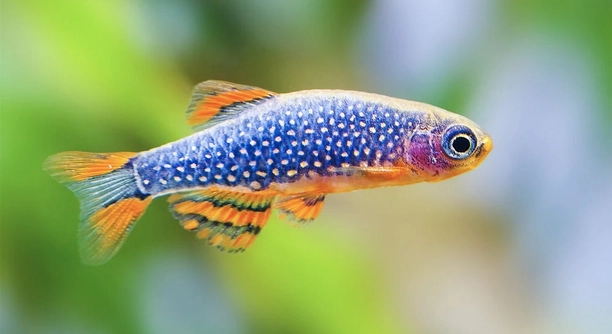
Danios are small, active fish that often fill home aquariums with lively movement. Watching them dart around, weaving through plants and decorations, can be both relaxing and entertaining. Their social behavior often brings unexpected surprises.
Danios chase each other for several reasons, including establishing hierarchy, engaging in playful interaction, competing for food, responding to stress, exploring territory, breeding behavior, and reacting to sudden environmental changes. Each situation reflects natural instincts and social dynamics within the aquarium.
Observing these behaviors can help you understand your fish better and maintain a healthy, balanced aquarium environment for your lively companions.
Establishing Hierarchy
In a community tank, Danios often chase each other to establish dominance. This behavior is more noticeable when new fish are introduced. The chasing is usually quick, with one fish darting after another, and it rarely causes harm. Over time, a clear pecking order develops, and the chasing decreases. Dominant fish get priority at feeding time, and subordinate fish learn to avoid confrontations. Watching these interactions can be fascinating, as it shows their natural instincts at work. Some chasing may look aggressive, but it is typically part of normal social behavior. Tank decorations, open swimming space, and hiding spots can influence how frequently this behavior occurs. Dense planting allows fish to escape if they feel threatened, reducing stress and injury. Recognizing the signs of stress versus normal hierarchy behavior is important for maintaining a healthy aquarium environment. Observing how quickly the order is established can help gauge compatibility between different Danios and other tank mates.
Hierarchy chasing helps maintain social structure and reduces long-term conflicts among tank inhabitants.
Providing plenty of hiding spaces and visual barriers can ease tension. Fish learn boundaries naturally, and minimal intervention is often needed.
Playful Interaction
Danios often chase each other simply for play. These quick bursts of speed, weaving through plants or circling each other, help maintain physical fitness and stimulate their senses. Playful chasing is common in younger fish and can last several seconds before they disperse. Unlike aggressive behavior, both fish seem relaxed and return to normal swimming afterward. This type of interaction strengthens social bonds and allows fish to practice agility, helping them navigate the tank more effectively. Observing these moments can be rewarding, as it shows their intelligence and curiosity. Even in a small tank, playful chasing keeps them active and engaged, preventing boredom and promoting overall health. Encouraging play by introducing open areas and occasional enrichment items, like floating plants or small currents, can enhance these natural behaviors. Watching the patterns of their movement and timing reveals how individual personalities differ within a group. It also helps identify which fish are more dominant or energetic, providing insight into social dynamics.
Playful chasing is a natural, harmless behavior that benefits both mental and physical well-being.
Competing for Food
Danios often chase each other during feeding time. Fast movements and short bursts are common as they compete for flakes or pellets. This behavior ensures that all fish remain alert and actively seek food in a group environment.
Feeding time can be chaotic, especially in a busy tank. Dominant fish often get the first bites, while smaller or less assertive Danios may be pushed aside. Chasing during feeding is rarely harmful but shows how social structure affects resource access. Rotating feeding spots and spreading food evenly can reduce stress and allow all fish to eat adequately. Some fish learn to anticipate feeding times, increasing chasing intensity temporarily. Observing their behavior helps you adjust feeding practices to ensure balance and avoid excessive competition. Maintaining a consistent feeding routine can minimize aggressive bursts and keep the group calm.
Understanding feeding dynamics also helps prevent overfeeding and ensures a healthier aquarium. Watching patterns allows you to identify any fish that may need extra care or attention during mealtime.
Stress Response
Danios may chase each other when stressed. Changes in water conditions, sudden movements, or new tank elements can trigger this behavior quickly.
Stress-induced chasing can be more intense than playful interaction. Fish may dart aggressively, hiding and circling repeatedly. Stressors include sudden temperature changes, strong currents, overcrowding, or poor water quality. Providing stable conditions, proper filtration, and a consistent environment reduces these behaviors. Observing how long the chasing lasts and which fish are involved can help identify specific stress triggers. Plants and decorations that break line of sight can lower tension, offering retreat spaces. Monitoring water parameters and maintaining cleanliness ensures fish remain healthy and calm, reducing unnecessary chasing. Temporary quarantining of new or sick fish may also prevent stress escalation. Proper acclimation when introducing fish is key to preventing prolonged aggressive episodes.
Reducing environmental stress improves overall behavior, helping Danios remain active without unnecessary chasing.
Exploring Territory
Danios chase each other to claim space in the tank. They may dash around decorations or open areas, ensuring others know their preferred spots. This behavior is natural and part of how they organize themselves.
Territorial chasing is usually brief. Fish will retreat once boundaries are recognized, preventing prolonged stress.
Breeding Behavior
During breeding periods, chasing becomes more noticeable. Males often follow females persistently, nudging or circling them to encourage spawning. This behavior is essential for reproduction and can involve multiple fish. Observing these interactions helps in understanding mating dynamics and identifying active breeders. Providing plants or spawning mops allows fish to carry out this process naturally while reducing accidental stress or injury. Breeding chasing is more frequent and purposeful compared to play or hierarchy chasing. Ensuring stable water parameters and a calm environment increases the likelihood of successful spawning. Separation of fry from adults may be necessary to prevent accidental harm once eggs are laid.
Reaction to Sudden Movements
Danios chase each other briefly when startled. Rapid changes in lighting or external vibrations often trigger short bursts of movement.
FAQ
Why do Danios chase each other constantly?
Constant chasing usually occurs to establish hierarchy, maintain territory, or during feeding time. While it may look aggressive, most of the time it is normal social behavior. Dominant fish assert themselves while subordinate fish learn boundaries. Observing these patterns helps ensure the tank remains balanced.
Is chasing harmful to my Danios?
Short bursts of chasing are typically harmless. Injuries can occur if the tank is overcrowded, lacks hiding spots, or if water conditions are poor. Ensuring adequate space, plants, and decorations helps reduce stress and prevent physical harm among the fish.
How can I reduce aggressive chasing?
Providing a well-planted tank with plenty of hiding spaces and visual barriers can help. Spreading food evenly during feeding and maintaining consistent water conditions also reduces tension. Introducing new fish slowly, after acclimation, minimizes stress-related chasing.
Do Danios chase more in small tanks?
Yes, limited space increases encounters and competition. A larger tank with multiple hiding spots allows fish to escape when chased, reducing stress and aggressive interactions. Monitoring fish behavior and adjusting the environment helps maintain harmony.
Does chasing indicate illness or stress?
Intense or persistent chasing can signal stress from poor water quality, temperature changes, or overcrowding. Sick fish may be more vulnerable, so observing their health alongside chasing behavior is important. Quarantining new or sick fish can prevent stress from spreading.
Why do Danios chase during feeding but not at other times?
Feeding competition triggers short bursts of chasing as fish compete for food. Outside feeding times, they may swim calmly. Even distribution of food across the tank reduces this behavior, allowing all fish to eat without excessive chasing.
Is chasing during breeding normal?
Yes, chasing is common during spawning. Males often follow females persistently to encourage egg-laying. This behavior is natural and should not be interrupted, but providing plants or spawning mops ensures safety and reduces accidental harm.
Can adding more Danios reduce chasing?
Sometimes, increasing group size spreads social interactions, preventing any single fish from being targeted. However, overcrowding can worsen chasing. Maintaining a balanced population relative to tank size is key for healthy social dynamics.
How long does chasing last in a normal tank?
Short bursts of a few seconds to a couple of minutes are typical. Extended chasing may indicate stress or aggression, requiring environmental adjustments. Observing fish interactions over time helps identify patterns and potential problems.
Does chasing indicate a happy tank?
Active chasing can reflect natural behavior and social interaction, but it should not be constant or harmful. A healthy tank balances activity with calm periods, showing fish are active, alert, and comfortable in their environment.
Can tank decorations influence chasing behavior?
Yes, plants, rocks, and visual barriers reduce line-of-sight confrontations, giving fish escape routes. A well-decorated tank lowers stress, allows subordinate fish to retreat, and encourages natural movement, reducing unnecessary chasing.
Should I separate chasing Danios?
Separation is only needed if chasing leads to injury, persistent stress, or territorial disputes in overcrowded conditions. Most chasing resolves naturally once hierarchy or territory is established. Observing interactions first is usually sufficient before intervening.
Can chasing be a sign of playfulness?
Yes, young or energetic Danios chase each other for fun. This behavior is brief, without harm, and often includes circling or weaving through plants. Playful chasing promotes agility, stimulates the mind, and keeps fish active and healthy.
What water conditions help reduce stress-related chasing?
Stable temperature, proper filtration, regular water changes, and balanced chemistry reduce chasing caused by stress. Fluctuations in pH, ammonia, or temperature can trigger intense bursts of chasing. Keeping the environment consistent ensures calmer behavior.
Is chasing different among Danio species?
Yes, some species are more active and social than others. Zebra Danios, for example, are fast and tend to chase frequently, while others may be calmer. Knowing species behavior helps set realistic expectations for tank activity.
How do I tell aggressive chasing from playful chasing?
Aggressive chasing involves repeated attacks, biting, or prolonged stress. Playful chasing is brief, with both fish resuming normal swimming afterward. Observing body posture, fin condition, and frequency helps distinguish between the two.
Does feeding schedule affect chasing?
Yes, predictable feeding times can increase chasing as fish anticipate food. Irregular or uneven feeding may increase competition and stress. Distributing food slowly or across multiple areas reduces the intensity of chasing during meals.
Can chasing damage fins or scales?
Prolonged or aggressive chasing can cause minor injuries. Ensuring adequate space, hiding spots, and monitoring dominant fish reduces the risk. Promptly addressing injuries prevents infection and maintains overall health.
Do Danios chase other species in a community tank?
Yes, Danios may chase slower or smaller species, especially if food is involved or territories overlap. Providing enough space and monitoring interactions prevents stress for both Danios and other tank mates.
How often should I observe chasing behavior?
Regular observation helps identify normal patterns versus signs of stress or aggression. Checking interactions daily during feeding and active periods provides insight into social dynamics and overall tank health.
Does lighting affect chasing behavior?
Sudden changes in lighting can startle fish, causing short bursts of chasing. Gradual changes or consistent lighting reduce stress-related activity, allowing fish to establish calm swimming patterns.
Can chasing be reduced with tank mates?
Choosing compatible species that occupy different swimming levels or have calmer temperaments reduces chasing. Avoid overcrowding and aggressive tank mates to maintain harmony and minimize stress-driven interactions.
What role does age play in chasing?
Younger, more energetic Danios chase more frequently, while older fish may chase less as hierarchy stabilizes. Age differences influence social dynamics and activity levels in the tank.
Is chasing more common in males than females?
Males often chase more, especially during breeding or dominance interactions. Female Danios tend to participate less in aggressive or territorial chasing but may engage in playful interactions equally.
Can water current influence chasing?
Yes, strong currents can trigger bursts of movement or chasing as fish navigate the flow. Moderate currents provide exercise without creating stress-induced chasing. Adjusting flow ensures a balanced environment.
Does tank size determine chasing intensity?
Smaller tanks increase frequency and intensity of chasing due to limited space. Larger tanks with multiple hiding spots allow fish to establish territory and hierarchy with minimal stress, reducing excessive chasing.
Can chasing indicate reproductive readiness?
Yes, increased chasing can signal breeding behavior. Males pursue females persistently, which is natural. Observing these patterns helps identify active breeders and ensures proper preparation for spawning.
How do I separate chasing caused by stress versus play?
Stress-induced chasing is prolonged, with signs of hiding, rapid breathing, or flared fins. Playful chasing is brief, without visible stress. Monitoring behavior over time helps determine the cause.
Are Danios more likely to chase in groups?
Yes, social interaction increases chasing opportunities. Groups allow hierarchy to form and promote playful or reproductive behavior. Observing group dynamics helps maintain balance and prevents excessive aggression.
Can diet affect chasing behavior?
A proper diet ensures fish remain healthy and reduces competition-driven chasing. Nutritional deficiencies or limited food may increase intensity during feeding. Distributing food evenly prevents disputes and stress-related chasing.
Does chasing vary by time of day?
Danios are most active during daylight hours. Chasing often occurs in the morning or when feeding occurs. Nighttime activity usually decreases, with fish resting calmly. Recognizing these patterns helps anticipate normal behavior.
How can I monitor chasing without interfering?
Observing quietly from a distance allows fish to behave naturally. Avoid tapping the glass or sudden movements, as these can increase stress and trigger chasing. Recording behavior can help track patterns over time.
Is chasing a sign of intelligence?
Yes, chasing demonstrates social awareness, coordination, and problem-solving. Playful or hierarchy-driven chasing reflects cognitive abilities, alertness, and the ability to adapt to dynamic social environments.
What should I do if chasing leads to injury?
Separate injured fish, treat wounds, and adjust tank layout to prevent repeated attacks. Ensure adequate space and hiding spots, and monitor interactions until the hierarchy stabilizes and stress decreases.
Do Danios remember past chasing events?
Yes, fish can recognize individuals and remember interactions. Subordinate fish may avoid dominant ones, reducing repeated conflicts. This memory helps maintain social order and reduces prolonged stress.
Can environmental enrichment reduce chasing?
Adding plants, rocks, or other decorations provides hiding spaces and visual barriers. Enrichment encourages natural exploration and play, reducing stress-driven or territorial chasing while keeping fish active.
How long should chasing last during breeding?
Chasing during spawning is frequent but temporary. Once eggs are laid or fertilized, chasing decreases. Providing safe spawning areas ensures fish can complete the process without harm or excessive stress.
Does temperature affect chasing intensity?
Higher temperatures increase activity, making chasing more frequent. Cooler, stable temperatures calm fish, reducing stress and unnecessary chasing. Monitoring and maintaining optimal temperature supports balanced behavior.
Can chasing indicate overpopulation?
Yes, crowded tanks increase interactions, competition, and chasing. Ensuring proper stocking levels and adequate space reduces aggression and stress while maintaining healthy social dynamics.
Are some Danios more dominant than others?
Yes, individual temperament varies. Dominant fish assert themselves more through chasing and position in the tank. Recognizing dominant individuals helps manage hierarchy and reduce prolonged conflicts.
Does chasing impact long-term health?
Short, occasional chasing is healthy, promoting activity and natural behavior. Prolonged or aggressive chasing can cause stress, injury, or reduced feeding efficiency, negatively affecting health over time.
How do I tell if chasing is excessive?
Excessive chasing involves prolonged duration, repeated attacks, or visible stress. If fish hide constantly, lose fins, or stop eating, intervention is needed to restore balance. Monitoring and adjusting tank conditions helps prevent chronic stress.
Can chasing be a sign of boredom?
Yes, in tanks without enrichment, fish may chase for stimulation. Providing plants, decorations, and varied swimming areas encourages natural behavior and reduces stress-induced or boredom-driven chasing.
Does chasing decrease with age?
Older, established fish often chase less as hierarchy stabilizes. Young or newly introduced fish chase more frequently while social positions are determined and territory is claimed.
How do I ensure chasing remains healthy?
Maintain proper tank size, water conditions, decorations, and feeding routines. Observe fish behavior regularly, provide enrichment, and address stressors promptly to keep chasing natural, brief, and non-harmful.
Can chasing be contagious?
Yes, when one fish chases, others may join temporarily. This can be part of play, feeding competition, or hierarchy reinforcement. Providing enough space and hiding spots limits group escalation.
What role does genetics play in chasing?
Some Danios inherit more active or assertive traits. Personality differences influence chasing frequency, intensity, and social interactions, affecting group dynamics and tank balance.
Are there signs chasing is not normal?
Continuous chasing, visible injuries, constant hiding, rapid breathing, or loss of appetite indicate abnormal behavior. Immediate adjustments to environment, population, or health monitoring are necessary to restore balance.
Does chasing increase during tank changes?
Yes, rearranging decorations, moving fish, or cleaning the tank can trigger temporary chasing. Gradual changes and minimal disruption help reduce stress-driven interactions.
Can chasing indicate dominance without aggression?
Yes, dominance chasing can be brief and non-harmful. Subordinate fish respect boundaries, avoiding prolonged conflicts. Recognizing these signs helps distinguish normal hierarchy from aggression.
How often should I check water parameters to prevent chasing?
Regular checks, at least weekly, prevent stress-related chasing. Stable ammonia, nitrite, nitrate, pH, and temperature levels reduce tension and promote calmer, healthier interactions.
Do Danios chase more in planted or bare tanks?
Bare tanks can increase chasing as fish lack hiding spaces. Planted tanks provide refuge and break line-of-sight, reducing unnecessary aggression and stress.
Does chasing indicate a compatible group?
Balanced chasing that resolves quickly usually shows healthy social dynamics. Persistent, harmful chasing may indicate incompatibility or overcrowding, requiring adjustment of tank population.
Can chasing predict future aggression?
Occasional chasing is normal, but repeated intense aggression can signal potential long-term conflict. Observing patterns helps prevent injuries and ensures a peaceful environment.
Is chasing a form of communication?
Yes, chasing conveys dominance, reproductive interest, or boundaries. Fish communicate through movement, speed, and posture, helping maintain social structure and coordination within the group.
How does tank layout affect chasing?
Open spaces increase visibility and encounters, while decorations and plants provide retreat areas. A thoughtful layout balances activity with calm areas, reducing stress-driven chasing.
Can chasing indicate excitement?
Yes, bursts of energy from feeding, new objects, or exploration can trigger short, harmless chasing. These moments reflect natural alertness and curiosity rather than aggression.
Are chasing patterns predictable?
Yes, hierarchy, feeding, breeding, and stress patterns are usually consistent. Observing daily routines helps anticipate normal behavior and identify abnormalities quickly.
Does chasing affect other fish species?
Yes, fast or dominant Danios may chase slower species during feeding or in shared territories. Monitoring interactions prevents stress and maintains harmony in a community tank.
Can chasing help build endurance?
Yes, playful or active chasing improves agility, swimming stamina, and alertness, contributing to physical fitness and mental stimulation in Danios.
Do Danios chase differently in groups versus pairs?
Groups display hierarchy, play, and breeding behaviors more frequently, while pairs may chase less. Social context influences intensity, frequency, and purpose of chasing behaviors.
How do I know if chasing is resolved naturally?
Once hierarchy, territory, or breeding goals are established, chasing decreases. Fish resume normal swimming, feeding, and exploration, showing stress-free, balanced social interaction.
Can chasing indicate hunger outside feeding time?
Yes, fish may chase when anticipating food if feeding is inconsistent. Maintaining a regular, evenly distributed feeding schedule reduces tension and stress-driven chasing.
Does chasing differ in male-to-male versus male-to-female interactions?
Male-to-male chasing often relates to dominance, while male-to-female chasing is usually reproductive. Understanding these differences helps interpret behaviors and manage tank dynamics.
Can chasing teach fish social skills?
Yes, through repeated interactions, fish learn hierarchy, boundaries, and acceptable behavior. Social learning helps prevent prolonged conflicts and ensures smoother group dynamics over time.
How do I track chasing behavior over time?
Recording observations or taking notes during feeding, breeding, and active periods helps identify patterns. This monitoring aids in assessing health, stress, and compatibility within the tank.
Does chasing indicate excitement during new tank introduction?
Yes, new environments trigger bursts of activity and chasing as fish explore, establish territory, and interact socially. Gradual acclimation reduces stress and excessive chasing.
Can chasing affect breeding success?
Proper, brief chasing supports courtship, but prolonged stress or aggression can reduce spawning success. Providing adequate hiding spots and calm conditions ensures healthier breeding outcomes.
Does chasing indicate intelligence differences among fish?
Active and strategic chasing reflects awareness, social understanding, and problem-solving. Some fish may chase more thoughtfully, showing individual intelligence within group interactions.
Can chasing be used to monitor tank health?
Yes, changes in chasing patterns may signal water quality issues, overcrowding, or illness. Observing behavior alongside other signs ensures early detection of problems.
Are all Danios equally likely to chase?
No, temperament, age, sex, and species influence chasing frequency and intensity. Recognizing individual differences helps manage group behavior effectively.
Does chasing affect aquarium aesthetics?
Active chasing adds movement and life to the tank, making it visually engaging. Excessive stress-driven chasing may lead to injury, reducing the overall appearance.
How do I differentiate chasing from attacking?
Chasing is usually brief and non-harmful. Attacking involves biting, torn fins, or prolonged pursuit. Observing posture, duration, and recovery behavior helps distinguish them.
Can chasing patterns indicate tank problems early?
Yes, sudden increases in chasing often point to overcrowding, stress, or water issues. Early observation allows timely intervention before problems escalate.
Does chasing decrease with stable social groups?
Yes, once hierarchy is established and territories are respected, chasing becomes brief and less frequent, reflecting a balanced social structure.
How do I ensure chasing remains safe and natural?
Maintain proper tank size, hiding spaces, water quality, and balanced feeding. Observe behavior regularly, and adjust environment if chasing becomes prolonged or harmful.
Does chasing affect feeding efficiency?
Brief, normal chasing during feeding is natural. Persistent or aggressive chasing can prevent subordinate fish from eating adequately. Spreading food and monitoring behavior ensures all fish receive proper nutrition.
Can chasing predict future hierarchy disputes?
Initial bursts often resolve hierarchy. Prolonged or recurring aggressive chasing may indicate ongoing dominance struggles, requiring attention to prevent stress or injury.
Is chasing affected by the number of decorations?
Decorations provide hiding spaces and visual barriers, reducing line-of-sight confrontations. Too few obstacles increase chasing frequency and intensity, especially in smaller tanks.
Does chasing reflect fish personalities?
Yes, some fish are naturally more active, bold, or dominant. Observing patterns helps understand individual traits and social dynamics within the group.
Can chasing occur without apparent reason?
Occasionally, brief chasing happens due to curiosity, minor disturbances, or natural bursts of energy. These instances are usually harmless and part of normal activity.
How do I intervene if chasing becomes problematic?
Identify triggers, adjust tank layout, add hiding spaces, separate stressed or injured fish, and monitor water quality. Intervene only when chasing causes harm or prolonged stress.
Does chasing influence aquarium balance?
Healthy, brief chasing maintains social structure and activity. Excessive or harmful chasing disrupts feeding, stress levels, and overall harmony. Maintaining balance ensures a stable, lively tank environment.
Are certain times of year more prone to chasing?
Breeding periods often increase chasing due to reproductive activity. Other seasonal factors may influence energy levels, but consistent care reduces fluctuations in chasing intensity.
Can chasing be a sign of boredom in small tanks?
Yes, limited space and lack of enrichment can make fish chase for stimulation. Adding plants, rocks, and open swimming areas promotes natural behavior and reduces boredom-induced chasing.
Does chasing reflect social learning in Danios?
Yes, observing and responding to other fish teaches individuals about hierarchy, boundaries, and appropriate reactions, helping maintain group order.
Can chasing indicate dominance without aggression?
Yes, subtle chasing or positioning establishes hierarchy without harm. Fish respect boundaries and reduce prolonged conflict once roles are recognized.
How can I tell if chasing is natural versus environmental stress?
Natural chasing is brief and purposeful, while stress-induced chasing is prolonged, intense, or combined with hiding, flared fins, or
Final Thoughts
Danios are naturally active and social fish, and chasing is a common behavior that reflects their instincts. Whether it is establishing hierarchy, competing for food, or playful interaction, chasing is often a sign of normal social dynamics. Understanding the different reasons behind this behavior helps maintain a peaceful and healthy aquarium. Observing the context and frequency of chasing is important, as it allows you to distinguish between harmless bursts of activity and behavior caused by stress or environmental problems. It is important to remember that chasing alone is not necessarily a sign of aggression, and most Danios will resolve social interactions quickly without harm.
Creating the right environment is essential to reduce harmful or prolonged chasing. Providing ample swimming space, hiding spots, and visual barriers helps subordinate fish escape if needed and gives all fish a sense of security. Proper tank size and layout prevent overcrowding, which is one of the main triggers for stress-driven chasing. Feeding routines also influence social behavior; evenly distributed food reduces competition, while consistent feeding schedules help Danios feel secure. Additionally, maintaining stable water conditions, including temperature, pH, and chemical balance, is crucial. Sudden changes in water quality or temperature can provoke chasing that stems from stress rather than natural social behavior. Paying attention to these factors ensures that chasing remains a natural, short-lived activity rather than a source of conflict or injury.
Chasing behavior can also provide insight into the health and temperament of your fish. Active, well-fed, and comfortable Danios display bursts of chasing that are brief and purposeful, reflecting their alertness and physical fitness. Observing how fish interact during feeding, play, breeding, or exploration can help identify any potential issues early. Injuries, constant stress, or extreme aggression indicate that adjustments are needed in tank layout, population, or environment. Understanding chasing as a normal, multifaceted behavior allows you to create a balanced aquarium where fish can express natural instincts safely. By providing space, structure, and stable conditions, you ensure that chasing remains part of healthy social interaction rather than a sign of ongoing problems. Over time, observing patterns in chasing can deepen your understanding of Danios’ personalities, social roles, and overall well-being, helping you maintain a lively, harmonious aquarium.

Hello,
If you enjoy the content that we create, please consider saying a "Thank You!" by leaving a tip.
Every little bit helps us continue crafting quality advice that supports the health, happiness, and well-being of pets around the world, for pets of all shapes, sizes, and species.
We really appreciate the kindness and support that you show us!