
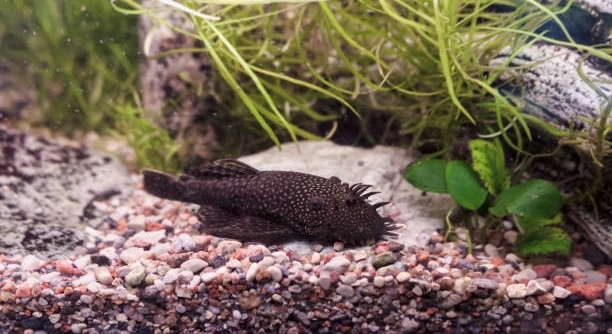
Many aquarium enthusiasts enjoy keeping plecos due to their algae-eating habits and unique appearance. However, there are situations when these fish may become territorial, leading to challenges in your tank. Understanding these moments can help you manage your aquarium better.
Plecos typically become territorial when they feel threatened, or when there’s limited space or resources in the tank. Aggression may arise during breeding, with other plecos, or even with other fish species competing for hiding spots or food.
Proper management of tank size, hiding spots, and compatible tank mates can help reduce territorial behavior in plecos. Understanding these common situations will allow you to address any aggression effectively, ensuring a peaceful environment for your fish.
Limited Space in the Tank
When plecos don’t have enough space, they may become territorial. In smaller tanks, these fish often feel crowded, which can lead to aggression. Plecos need a large tank, especially as they grow. If they are confined in a small area, they will fight to defend their territory, even with their own kind.
Having a spacious tank is key for keeping plecos happy and healthy. The bigger the tank, the more room they have to spread out and establish their own space. This reduces the likelihood of conflict. A minimum of 75 gallons is recommended for a single pleco, with larger tanks for multiple plecos.
If you notice your plecos fighting or becoming overly aggressive, check if the tank is too small. Adding more hiding places or rearranging decorations might help as well. However, the most effective solution is to ensure enough space for your plecos to avoid territorial disputes. This way, everyone can live peacefully in the tank.
Lack of Hiding Spots
Plecos are shy and need hiding spots to feel safe. Without them, they may become stressed and territorial. When plecos cannot retreat to a hiding place, they might become more aggressive toward other fish in the tank.
Adding caves, plants, and decorations creates safe spots for plecos. These provide them with a sense of security, reducing territorial behavior. By doing so, plecos won’t feel the need to fight for space or resources. Each pleco can have a designated hiding area, ensuring peace within the tank.
Mating Season
During mating season, plecos can become particularly territorial. Both males and females might defend their chosen spots. The males often fight other males to claim the best territory for nesting. This behavior is natural but can cause tension in your tank.
If you have multiple plecos, the mating season can lead to aggression. Male plecos will often chase each other, and sometimes, they may harm one another in the process. Females may also become territorial as they guard the areas where they intend to lay their eggs. To reduce this, it helps to have separate hiding spots or even separate tanks for mating.
Understanding that this behavior is part of the natural cycle can ease your worries. If your plecos are fighting, it’s likely because they are competing for the best breeding grounds. You can prevent unnecessary stress by ensuring there is enough space for all fish to have their own area.
Overcrowded Tank with Other Fish
When plecos are kept with too many other fish, it can cause stress and territorial behavior. Overcrowding leads to competition for food, hiding spots, and territory. Plecos can become more aggressive when they feel their resources are limited or threatened.
Keeping plecos in a tank with compatible fish is important. Plecos tend to get along with peaceful species, but adding too many can stress them out. Fish like goldfish, cichlids, or other bottom dwellers might challenge plecos for territory, which can result in fights or even injuries.
To avoid problems, always research the ideal tank mates for plecos. Ensure there is enough space for everyone to coexist peacefully. Monitor the tank and look for signs of stress or aggression. A well-balanced tank is key to maintaining a harmonious environment for your plecos.
Inadequate Food Supply
Plecos may become territorial if they feel that food is scarce. Competition for food can lead to aggression, especially if other fish are getting more than their fair share. This is especially true for plecos, as they are bottom feeders and may have to compete with others for food.
To reduce territorial behavior, make sure you provide enough food for everyone. Plecos need algae wafers, vegetables, and occasional protein. If you’re feeding multiple fish, ensure each pleco has access to food without competition. Distribute food around the tank to minimize any fighting or stress.
By making sure there is enough food for everyone, you’ll reduce the chances of plecos becoming territorial or aggressive. Monitoring their feeding habits can help ensure all your fish are well-fed and happy.
Aggressive Tank Mates
Certain fish species are more aggressive than others and can trigger territorial behavior in plecos. Cichlids, for example, are known to be aggressive and may challenge plecos for space or food. This can lead to plecos defending themselves or their territory.
When choosing tank mates for your plecos, consider the temperament of each species. Avoid fish that are overly aggressive or too territorial themselves. Instead, opt for peaceful, calm species that won’t cause stress to your plecos. The less aggression in the tank, the happier and less territorial your plecos will be.
Tank Maintenance Issues
Poor tank maintenance can lead to territorial behavior in plecos. Dirty water, poor filtration, or inadequate water changes can stress plecos and cause them to defend their space. Keeping your tank clean and well-maintained is essential for reducing aggression.
Maintaining proper water quality is crucial to the health of all your fish. Plecos thrive in stable environments, with clean water and appropriate filtration. Regular water changes help keep the tank environment calm and reduce the chances of plecos becoming territorial. Always test water parameters to ensure your plecos are living in optimal conditions.
FAQ
Why do plecos become territorial?
Plecos become territorial due to a variety of reasons, including limited space, competition for food, and the need to protect breeding areas. These fish are naturally shy and prefer to establish their own personal space. When they feel their space is being threatened, especially by other fish or even other plecos, they may become aggressive. Territorial behavior can also occur if there aren’t enough hiding spots or if the tank is overcrowded. Understanding the specific needs of plecos and ensuring a well-maintained environment can help reduce this behavior.
How can I stop my pleco from becoming territorial?
To reduce territorial behavior, make sure your plecos have enough space in the tank. A larger tank provides each pleco with room to claim its own area. Adding multiple hiding spots, like caves and plants, gives them places to retreat and feel safe. Keep the tank clean and ensure there is enough food for all fish. Reducing overcrowding and introducing compatible tank mates also helps minimize aggression. Regular tank maintenance, like water changes, also plays a role in keeping your plecos calm.
Do plecos fight with each other?
Yes, plecos can fight with each other, especially during mating season or when there is a lack of space or resources. Male plecos are known to fight for the best nesting spots. If there are multiple males in a tank, they might battle over territory. This behavior can be minimized by providing ample hiding spots and by avoiding overcrowding. A larger tank, with enough space for each pleco to establish its own area, will reduce the likelihood of fights.
Can plecos live with other fish?
Plecos are generally peaceful but can become territorial with certain types of fish. They tend to get along well with other peaceful bottom-dwelling fish. However, aggressive species like cichlids or other territorial fish may challenge plecos. It’s essential to research potential tank mates before adding them. Fish that are too large or aggressive can stress out plecos, leading to territorial behavior. When kept with non-aggressive species, plecos usually do well and help maintain the cleanliness of the tank by eating algae.
What size tank do plecos need to avoid territorial behavior?
The size of the tank plays a significant role in reducing territorial behavior in plecos. A single pleco requires at least 75 gallons of space. For multiple plecos, the tank size should increase, allowing each fish to establish its own territory. Overcrowding can lead to stress, competition for space, and territorial disputes. Larger tanks provide ample room for plecos to swim freely and find secluded spots where they can feel secure. A spacious tank also allows for better water quality, which contributes to a more peaceful environment.
How many plecos can I keep in one tank?
The number of plecos you can keep in a tank depends on the tank size. A general rule of thumb is one pleco per 75 gallons. If you want to keep multiple plecos, ensure the tank is large enough to accommodate their needs. For every additional pleco, you should add at least 50 gallons of water. Keep in mind that plecos are territorial, and having too many in one tank can lead to aggression, especially if they are males. You should also provide sufficient hiding places for each pleco to feel comfortable.
What happens if plecos become too territorial?
If plecos become too territorial, they may show signs of aggression toward each other or other fish in the tank. This can include chasing, fin nipping, or even physical harm. In extreme cases, a pleco may refuse to eat or stop moving altogether due to stress. Territorial behavior can also lead to injuries if the fish are constantly fighting. To prevent this, make sure there is enough space, hiding spots, and food to reduce competition. If aggression continues, separating the plecos into different tanks might be necessary.
Can plecos share the tank with shrimp or snails?
Plecos can typically live with shrimp and snails, but there are some things to consider. Larger plecos might see smaller shrimp as food, especially if they’re hungry. It’s best to introduce hardy shrimp species that are large enough to avoid being eaten. Snails are often safe with plecos, but certain types, like assassin snails, might compete for the same food sources. In general, peaceful plecos can coexist with shrimp and snails, provided the tank has enough hiding spots and food for all species.
Why is my pleco constantly hiding?
Plecos are nocturnal creatures, so it’s normal for them to hide during the day. If your pleco is constantly hiding, it could be feeling stressed or insecure. Lack of hiding spots, poor water conditions, or aggressive tank mates can cause a pleco to retreat and hide more often. Make sure your pleco has plenty of caves, plants, or decorations to provide a sense of security. Additionally, check the water parameters to ensure the environment is optimal for your pleco’s well-being. If stress persists, re-evaluating the tank setup and mates may be necessary.
Can plecos share a tank with other bottom dwellers?
Plecos can share a tank with other bottom dwellers, but it depends on the species. Peaceful bottom feeders like catfish, loaches, and certain types of shrimp can coexist with plecos without causing territorial issues. However, aggressive or similarly territorial fish can create problems. It’s important to ensure there are enough hiding spots and space for all the fish to reduce competition. Some species, like other plecos, may become territorial and fight for space, while others may not interact much at all. Always monitor the tank for any signs of aggression.
Final Thoughts
Understanding why plecos can become territorial is essential for creating a peaceful and healthy aquarium. Several factors, such as limited space, competition for food, and the need for hiding spots, can trigger territorial behavior in plecos. When these fish feel their space or resources are threatened, they may become more aggressive. It’s important to keep in mind that territoriality is a natural behavior for plecos, especially during breeding or when they feel crowded. By ensuring that your tank is large enough and well-maintained, you can help minimize these conflicts.
To reduce territorial issues, make sure your plecos have plenty of room to swim freely. Providing enough space allows each pleco to claim its own area without feeling threatened by others. It’s also important to add sufficient hiding spots like caves and plants, which give plecos places to retreat when they feel stressed. If you have multiple plecos, consider increasing the tank size or adding more hiding spots to prevent aggression. By creating a comfortable environment for them, you’ll reduce territorial behavior and improve their overall well-being.
Finally, keeping the tank clean and maintaining proper water conditions is crucial for plecos. Poor water quality or inadequate filtration can increase stress and contribute to territorial behavior. Regular water changes, along with monitoring the tank’s parameters, will help keep the environment stable. In addition, choosing compatible tank mates can make a big difference in preventing aggression. Avoid overcrowding and be mindful of the species you introduce to your tank. With the right care and attention, your plecos can thrive and live peacefully with minimal territorial behavior.

Hello,
If you enjoy the content that we create, please consider saying a "Thank You!" by leaving a tip.
Every little bit helps us continue crafting quality advice that supports the health, happiness, and well-being of pets around the world, for pets of all shapes, sizes, and species.
We really appreciate the kindness and support that you show us!