
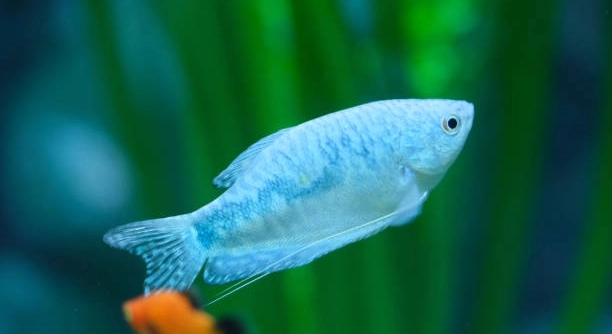
Do your gouramis sometimes act unusually shy or aggressive, especially during certain moments in their tank life?
Gouramis often face patience-testing situations such as cramped spaces, aggressive tank mates, sudden changes in water parameters, or disrupted routines. These stressors can trigger behavioral shifts, reduced activity, and even health concerns in sensitive individuals.
From feeding frustrations to rearranged territories, each moment plays a role in how gouramis respond, adjust, or react within their environment.
When Tank Mates Won’t Back Off
Living with other fish can be stressful for gouramis, especially when they are constantly approached or chased. Some species just don’t understand boundaries, and this can wear down a gourami’s patience quickly. Fin nipping, overcrowding, or territory stealing are common triggers. While gouramis are usually peaceful, they can react aggressively if pushed too far. It’s important to choose compatible tank mates and keep a close eye on behavior changes. Fish like barbs, certain cichlids, or fast-swimming tetras may stress them out if the tank isn’t large enough or lacks hiding spots. These moments, though short, can add up. Stress over time impacts their health, making them more prone to illness. Providing plenty of plants and space helps reduce these unwanted interactions. A calm environment allows your gourami to swim freely without fear, helping them stay calm and patient.
Tank mates that constantly chase or bother your gourami can cause them to act nervous, withdrawn, or even aggressive.
Spacing, layout, and group dynamics all affect how gouramis handle social pressure. Even in a mixed-species tank, balance is possible when care is taken with stocking choices. Watching for subtle signs of stress helps stop problems early and keeps your gourami feeling secure in its space.
During Feeding Time Chaos
Feeding time can be a challenge if your gourami has to compete for food in a busy tank.
Gouramis like to eat at their own pace, but some tanks turn feeding into a frenzy. Fast swimmers often grab most of the food before gouramis get a chance. This can lead to stress and malnutrition. If your gourami is always missing out, try feeding on both sides of the tank or distracting other fish with sinking pellets. Floating foods placed in quieter areas may also help. Another trick is to feed the more aggressive fish first, then offer food to the gouramis after things settle. You may also consider hand-feeding with tongs or pipettes. It’s important to watch your fish during meals to ensure everyone is eating enough. A well-fed gourami is more relaxed and will behave better with others. When they feel safe during feeding, they’re less likely to lash out or hide all day.
Sudden Changes in Water Conditions
Gouramis are sensitive to changes in water parameters, especially when shifts happen too quickly. Even slight differences in pH, temperature, or ammonia levels can unsettle them and lead to nervous or withdrawn behavior. They often need time to adjust to new conditions.
Water changes that are too large or inconsistent can shock your gourami’s system. A stable environment is key. Always match the temperature of the new water with the existing tank, and test parameters regularly. If you’re adjusting pH or hardness, do it slowly and in small amounts. Drastic changes confuse your gourami and may lead to swimming issues or even illness. Keep in mind that consistency builds comfort. Using a high-quality water conditioner, especially after maintenance, also helps minimize the effects of any shifts. Watch for changes in behavior like gasping or hiding, as these may signal that something in the water isn’t right.
If your gourami seems moody, floats near the top, or becomes inactive, the water may be to blame. It’s best to test weekly, even if the tank appears clean. Ammonia spikes, nitrite buildup, or a drop in temperature can all test your gourami’s patience and well-being. Quick reactions help keep things under control and avoid long-term stress.
Too Much Reflection in the Tank
Constant reflections can confuse and stress gouramis. They might see their own image and think it’s a rival. This can lead to defensive behaviors like flaring fins, pacing, or aggression toward tank walls. It may seem harmless, but it causes repeated stress throughout the day.
This often happens when lights are too bright or the background is too light-colored. Glass tanks placed near windows or bright rooms also create strong reflections. To fix it, try adjusting the lighting or placing paper or a background on the tank’s outside wall. Adding more plants, driftwood, or decorations inside the tank also breaks up reflections and gives your gourami better visual comfort. Some fish will still react now and then, but reducing the intensity helps calm them down. Over time, your gourami will spend less time confronting its reflection and more time swimming peacefully or resting in its favorite spot.
Rearranging Their Territory
Moving plants, decorations, or caves can unsettle your gourami. They rely on familiar spots to feel safe and in control. Sudden changes confuse them and can lead to hiding, pacing, or even chasing other fish more than usual.
Try making changes gradually. Shift one item at a time instead of everything at once. Let your gourami explore slowly and adjust at their own pace. If their favorite hiding place disappears, they may become skittish or moody for days.
Overcrowding the Tank
An overcrowded tank causes tension, especially for gouramis who like their personal space. Limited room leads to more run-ins, faster stress buildup, and fewer calm areas to rest or hide. A crowded tank also means faster waste buildup, affecting water quality. This type of pressure wears down your gourami’s patience, even if they don’t show signs right away. To prevent issues, stick to the right stocking levels, add hiding spots, and provide enough open swimming areas. Your gourami will be much more at ease when they’re not bumping into other fish every few minutes.
Loud Noises Near the Aquarium
Loud sounds or sudden vibrations around the tank can startle your gourami. They may dart around, hide, or refuse to eat. Keeping the tank in a quieter room helps maintain a more peaceful space they can settle into.
FAQ
Why is my gourami flaring its fins so often?
Flaring is a common way for gouramis to show dominance or defend territory. If it happens occasionally, it’s usually nothing to worry about. But if your gourami is flaring constantly, it could be reacting to stress. This might come from seeing its reflection, feeling crowded, or being challenged by tank mates. Try adding more plants, adjusting lighting, or reducing activity around the tank. If the behavior continues, check for aggressive fish or water quality issues.
Can gouramis live with fast-moving fish like danios or barbs?
Yes, but it depends on the specific type of gourami and the tank setup. Some gouramis can handle active fish, but others may become stressed if they’re outswum or bullied. Fast swimmers can outcompete gouramis during feeding and take over swimming areas. If you choose to mix species, provide plenty of space and hiding spots. Watch how they interact and be ready to rehome fish if needed.
Why does my gourami keep hiding all day?
Gouramis hide when they feel unsafe, overwhelmed, or unwell. Sudden tank changes, bullying fish, or poor water quality can all be reasons. If hiding becomes constant, check water parameters and watch for signs of aggression from tank mates. Adding more decorations and plants can also help your gourami feel secure. A healthy gourami should be curious and active, not scared to explore its environment.
How do I know if my gourami is stressed?
Signs of stress in gouramis include dull color, clamped fins, erratic swimming, hiding, and refusing food. These behaviors don’t always mean something serious, but they are worth checking. Water issues, noise, overcrowding, or constant chasing can be causes. Regular testing and quiet surroundings help reduce stress. It’s also helpful to monitor changes in mood after tank maintenance or new additions.
Is it normal for gouramis to be aggressive sometimes?
Yes, especially males or those kept in small spaces. Gouramis can become territorial during feeding, mating, or when establishing their space. Some aggression is normal, but it shouldn’t be constant. If your gourami is chasing or nipping often, consider tank size, the type of tank mates, and how the space is set up. More plants, caves, and personal space can calm aggressive tendencies.
What kind of tank layout helps keep gouramis calm?
Gouramis prefer planted tanks with calm areas and hiding spots. Floating plants are great since they mimic their natural habitat. Use driftwood, tall plants, and broad leaves to break sightlines and reduce tension. Avoid strong currents or high noise environments. Give them open areas for swimming but also places to retreat when they need to rest. A balanced layout helps reduce stress and keeps them feeling safe.
How often should I do water changes for a gourami tank?
Weekly water changes of 20–30% are a good rule for most tanks. If your tank is smaller or heavily stocked, you may need to do it more often. Clean water helps gouramis stay healthy and less irritable. Make sure the new water is the same temperature and treated for chlorine. Sudden shifts in temperature or pH can upset them, so consistency is more important than how much you change.
Can bright lights stress out gouramis?
Yes, overly bright lights can cause stress, especially if there aren’t enough places to hide. Gouramis are used to shaded or low-light environments, so consider using floating plants or dimmable lights. Sudden light changes can also startle them. Try turning lights on and off gradually or placing the tank away from direct sunlight or busy areas.
Why won’t my gourami eat when the other fish are around?
Gouramis can be shy eaters, especially around aggressive or fast-feeding tank mates. They prefer slower, calmer feeding times. If others are taking all the food, try feeding in multiple spots or distracting other fish first. You can also use feeding rings or hand-feed with tweezers. Giving your gourami quiet time during meals can make a big difference in their behavior and patience over time.
Final Thoughts
Gouramis are peaceful fish, but they do have limits. Their calm nature can change when they feel unsafe, overcrowded, or confused by sudden changes. Things like poor water quality, aggressive tank mates, or loud surroundings can slowly build stress. Even if your gourami doesn’t show signs right away, these problems still affect its mood and health. Paying attention to their behavior helps catch small issues before they grow into bigger ones. Watching for changes in appetite, hiding, or color can tell you a lot about how your gourami is feeling in its space.
Tank setup plays a big part in how well your gourami handles stress. Giving them enough room, adding real or fake plants, and avoiding strong filters can make their environment feel more secure. Every gourami has its own personality—some may be bolder, others more timid—so it’s important to adjust things based on how they act. If your gourami seems easily bothered, a quiet corner in the tank or softer lighting can help. When they feel comfortable, they become more active, curious, and social. This doesn’t always mean buying new equipment—sometimes, just rearranging plants or moving the tank to a quieter spot can make a difference.
Caring for gouramis takes patience too. It’s not always about big fixes, but about small changes that build up over time. Their behavior can shift from day to day, depending on how they feel and what’s happening in their surroundings. Watching closely and making thoughtful adjustments shows you understand their needs. A calm, steady routine goes a long way in keeping your gourami happy. When the tank feels safe, your gourami is more likely to explore, eat well, and interact in a peaceful way. In the end, helping them stay calm isn’t just better for them—it also makes caring for them more enjoyable and less stressful for you.

Hello,
If you enjoy the content that we create, please consider saying a "Thank You!" by leaving a tip.
Every little bit helps us continue crafting quality advice that supports the health, happiness, and well-being of pets around the world, for pets of all shapes, sizes, and species.
We really appreciate the kindness and support that you show us!