
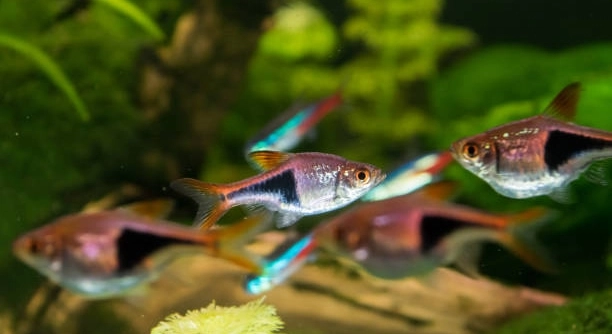
Rasboras are small, colorful fish often kept in home aquariums. They are known for their peaceful nature but can become easily startled in certain situations. Understanding what makes them skittish helps create a calmer environment.
Rasboras become skittish due to sudden movements, loud noises, changes in water conditions, overcrowding, presence of aggressive tank mates, poor lighting, and insufficient hiding spots. Each factor affects their stress levels and overall behavior.
Recognizing these causes will help you provide a more comfortable home for your rasboras and improve their wellbeing in your aquarium.
Sudden Movements and Loud Noises
Rasboras are very sensitive to quick movements near their tank. When someone suddenly approaches or taps the glass, they often dart away or hide. Loud noises like banging or shouting can also startle them. These reactions come from their natural instincts to avoid danger. In the wild, quick motions or loud sounds often mean predators nearby. Even when safe, rasboras remain alert and cautious. It’s important to keep the aquarium area calm and quiet. Avoid tapping the glass or making sudden moves, especially if you want your rasboras to stay relaxed. These simple steps reduce their stress and help them swim freely.
Keeping a calm environment around the tank supports their natural behavior and reduces unnecessary stress.
Maintaining a peaceful setting is key. Dim the lights slightly if noise or movement cannot be avoided, as this can help rasboras feel less exposed. Offering plenty of plants or decorations also provides hiding spots, so they have places to retreat if startled. With care, they will grow more comfortable over time.
Changes in Water Conditions
Rasboras are sensitive to shifts in water temperature, pH, or hardness. Sudden changes can cause them to become nervous or skittish. For example, if the water gets too cold or too warm quickly, they may show signs of stress like rapid swimming or hiding. Stable water quality is essential to keep them healthy and calm. Frequent testing of water parameters and performing regular water changes helps maintain balance. Avoid adding too many new fish at once, which can also disrupt water conditions. Keeping a consistent environment mimics their natural habitat and supports their wellbeing.
Fluctuations in water quality directly affect their comfort and behavior.
When water conditions change abruptly, rasboras often lose their sense of security. This can make them more prone to illness and reduce their activity. Keeping the water temperature steady, usually around 74–80°F (23–27°C), is best. Similarly, maintaining a neutral to slightly acidic pH between 6.0 and 7.0 is ideal. Using a reliable heater and water conditioner ensures stability. Gradual changes, like slowly adjusting parameters over days, help rasboras adapt better. Consistency in the tank environment encourages natural behavior and decreases skittishness. This allows you to enjoy their bright colors and peaceful swimming without worry.
Overcrowding in the Tank
Too many fish in one tank can stress rasboras, making them skittish. They need space to swim comfortably without constant competition. Overcrowding reduces oxygen levels and increases waste, both harmful to their health.
When the tank is overcrowded, rasboras feel threatened and often hide or dart around nervously. Limited space causes frequent collisions, raising their stress and making them less active. Overcrowding also leads to poor water quality because of excess waste buildup. This can result in increased ammonia and nitrite levels, which are toxic to fish. It’s important to provide enough room for each fish to reduce stress and promote natural behavior. Ideally, allow one gallon of water per inch of fish length to maintain a healthy environment.
Providing plenty of hiding spots and plants can help rasboras feel safer in a crowded tank. However, reducing the number of fish is the most effective way to prevent stress from overcrowding. Regular water changes are also essential to keep conditions stable despite the higher bioload.
Presence of Aggressive Tank Mates
Aggressive fish can intimidate rasboras, causing them to stay on edge. Even mild bullying can lead to constant stress, affecting their behavior and health.
Aggressive tank mates may chase or nip at rasboras, making it difficult for them to feel secure. Rasboras are peaceful fish that thrive with similarly gentle companions. When placed with aggressive species, they become more skittish, often hiding or swimming frantically to escape. This ongoing stress weakens their immune system and can lead to illness or injury. Careful selection of tank mates is crucial to avoid conflicts. Peaceful species like small tetras or danios are better companions. Keeping aggressive fish out of the tank helps rasboras live calmly and show their true colors.
Poor Lighting Conditions
Too bright or too dim lighting can make rasboras uneasy. They prefer moderate lighting that mimics natural daylight.
Harsh light may stress them, while very low light can limit their activity. Adjusting light levels helps them feel secure and behave naturally.
Insufficient Hiding Spots
Rasboras need places to hide when they feel threatened. Without enough plants or decorations, they become vulnerable and nervous.
Providing ample hiding spaces reduces their stress and encourages relaxed swimming. It also mimics their natural environment.
Water Quality Issues
Poor water quality directly impacts rasboras’ comfort and health. High ammonia, nitrite, or nitrate levels cause stress and make them skittish.
Regular water testing and maintenance are essential. Keep the tank clean with routine water changes, proper filtration, and avoiding overfeeding. Maintaining good water quality supports their wellbeing and natural behavior.
FAQ
Why do my rasboras hide all the time?
Rasboras often hide when they feel stressed or unsafe. Common reasons include sudden changes in their environment, aggressive tank mates, or poor water quality. They use hiding as a natural defense to avoid perceived threats. Make sure the tank has plenty of plants and decorations to give them safe spaces. Keeping the water stable and choosing peaceful companions will help your rasboras feel more comfortable and visible.
How can I reduce my rasboras’ skittish behavior?
To reduce skittishness, maintain stable water conditions and avoid sudden changes. Keep noise and movements around the tank to a minimum. Use moderate lighting and provide enough hiding spots like plants or rocks. Choose calm, non-aggressive tank mates and avoid overcrowding. Regular feeding on a consistent schedule also builds their trust and reduces nervousness over time.
Can lighting really affect my fish’s behavior?
Yes, lighting plays a big role in how rasboras behave. Too much light can stress them, making them hide or dart quickly. Too little light may reduce their activity and make them less colorful. Using a light that mimics natural daylight and keeping it on for about 8-10 hours daily creates a healthy balance for your fish.
What tank mates work well with rasboras?
Rasboras do best with peaceful species. Small tetras, danios, and other gentle community fish are good choices. Avoid aggressive or very active fish that might chase or nip them. Compatible tank mates help rasboras feel safe, which reduces stress and encourages natural schooling behavior.
How often should I clean the tank to keep my rasboras calm?
Regular tank maintenance is crucial. Partial water changes of 20-30% every one to two weeks help keep water quality high. Clean the filter as needed, but avoid disturbing beneficial bacteria too much. Overfeeding can pollute the water quickly, so feed only what they can eat in a few minutes. Good water quality reduces stress and keeps rasboras healthy and calm.
Why do rasboras sometimes dart around quickly?
Quick darting is usually a sign of stress or fear. It may be caused by loud noises, sudden movements, or other fish chasing them. It can also indicate poor water conditions. Observing the tank environment and fixing these issues usually reduces this behavior.
Is it normal for rasboras to be shy when introduced to a new tank?
Yes, rasboras often act shy or hide when first introduced to a new environment. They need time to explore and feel safe. Providing plenty of plants and keeping the area quiet helps them adjust faster. Over days or weeks, they will become more confident and active.
How do I know if water parameters are causing stress?
Signs of stress from water issues include hiding, loss of color, rapid breathing, and erratic swimming. Testing ammonia, nitrite, nitrate, pH, and temperature regularly helps catch problems early. Maintaining consistent, ideal water parameters is essential to keep your rasboras calm and healthy.
Can overcrowding cause health problems besides skittish behavior?
Yes, overcrowding reduces oxygen levels and increases waste, which can cause illness and weaken the immune system. It also increases stress, making rasboras more prone to infections. Ensuring enough space per fish helps maintain their health and calm behavior.
What are some good hiding spot ideas for rasboras?
Live or artificial plants, smooth rocks, driftwood, and caves provide excellent hiding spots. Plants with fine leaves or tall stems create natural shelters. Arrange these decorations to offer multiple places where rasboras can retreat when feeling nervous. This reduces stress and encourages natural swimming patterns.
Rasboras are peaceful and beautiful fish that add life to any aquarium. However, they can become easily skittish when their environment does not feel safe or stable. Factors like sudden movements, loud noises, changes in water quality, overcrowding, aggressive tank mates, poor lighting, and lack of hiding spots all contribute to their nervous behavior. Knowing these causes helps in creating a calm and healthy space for them. When rasboras feel secure, they swim calmly and display their natural colors and behaviors.
Taking care of rasboras means paying attention to their tank conditions. Keeping the water clean and stable with proper temperature and pH is very important. Avoid overcrowding the tank, and choose peaceful fish to live with them. It’s also necessary to provide plants, rocks, or decorations where they can hide if they feel scared. Lighting should not be too harsh or too dim. Small changes in these areas can make a big difference in how comfortable your rasboras feel. Consistent care and observation help prevent stress and keep your fish healthy.
Remember that rasboras may take time to adjust when first introduced to a new tank. They may hide or dart around at first, but with patience and a good environment, they will become more relaxed. Regular maintenance, gentle handling, and creating a peaceful space are key to reducing skittish behavior. Providing what they need makes your aquarium a better place for these delicate fish and lets you enjoy watching their natural beauty. Taking these steps ensures your rasboras live longer and happier lives.

Hello,
If you enjoy the content that we create, please consider saying a "Thank You!" by leaving a tip.
Every little bit helps us continue crafting quality advice that supports the health, happiness, and well-being of pets around the world, for pets of all shapes, sizes, and species.
We really appreciate the kindness and support that you show us!