
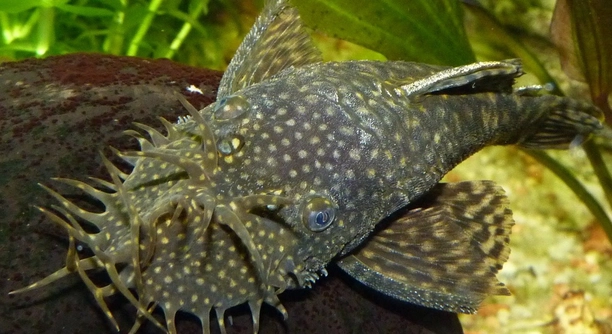
Many plecos, known for their vibrant colors, may experience color loss. Understanding the causes can help maintain their health and appearance. This article explores seven key factors that contribute to this phenomenon and offers solutions.
Plecos may lose their vibrant colors due to a variety of factors such as poor water quality, inadequate lighting, stress, and improper diet. These factors can negatively affect their health, leading to fading or dullness in their natural coloration.
Recognizing these causes early on can help restore and maintain your pleco’s vibrant colors.
Poor Water Quality
Water quality is the most important factor in maintaining a pleco’s color. When ammonia, nitrites, or nitrates build up in the tank, it can lead to stress, which affects their overall health. A high concentration of toxins in the water can make the pleco feel unsafe, reducing their ability to maintain vibrant colors. Regular water changes and maintaining proper filtration can help prevent this issue.
Monitoring water parameters regularly will help prevent sudden shifts in water quality that could cause color loss. Testing for ammonia, nitrites, and nitrates ensures that the environment stays safe. Regular tank maintenance also contributes to the overall well-being of your pleco.
In addition to keeping the water clean, pay attention to the temperature. Plecos are sensitive to fluctuations in water temperature, which can also cause color loss. Ensuring your aquarium heater is set at the proper temperature range (typically between 74°F and 80°F) will help keep your pleco comfortable.
Inadequate Lighting
Lighting plays a significant role in a pleco’s coloration. If there isn’t enough light, plecos may become pale and lose their vibrant hues. Proper lighting simulates natural conditions and allows the pleco’s colors to shine through. Choose lighting that mimics the day-night cycle in their natural habitat for best results.
It’s important to provide appropriate lighting without overdoing it. Too much direct light can cause algae growth, which may stress your pleco and lead to color loss. Adjustable lighting systems work best to maintain balance in the tank.
Stress
Stress is a major factor in color loss for plecos. Environmental changes, overcrowded tanks, or tankmates that are overly aggressive can cause your pleco to feel anxious. This anxiety often leads to fading colors as they try to hide or cope with the stress. Keeping a stable, calm environment is essential.
To reduce stress, ensure that your pleco has a suitable space to hide, such as caves or plants. Avoid keeping them with overly aggressive fish. A stable environment with minimal disturbances will help your pleco feel secure, allowing it to show off its natural colors.
Feeding times should also be calm and predictable. Plecos are nocturnal creatures and may get stressed if there’s too much activity around their tank during feeding. Keeping the lights dim and creating a peaceful environment will help your pleco adjust better to its surroundings.
Diet
A well-balanced diet is key to maintaining a pleco’s color. Plecos that are not fed a variety of foods may develop poor coloration. A diet that includes algae wafers, vegetables, and occasional protein sources will help them thrive. It’s crucial to offer diverse nutrition to keep your pleco healthy.
Veggies like zucchini, spinach, and cucumber are good for plecos and provide the essential nutrients needed for vibrant colors. Adding protein sources like brine shrimp or bloodworms will help ensure they have the energy to stay healthy. Offering different types of food will also keep them interested and engaged.
Avoid overfeeding, as this can lead to water quality issues that will further impact your pleco’s color. Stick to feeding schedules and remove uneaten food to prevent excess waste buildup. A balanced diet, combined with good tank maintenance, ensures your pleco stays healthy and colorful.
Illness
Illness can cause noticeable color loss in plecos. Affected plecos may become lethargic and their colors may dull due to weakened health. Parasites, bacterial infections, or fungal issues often contribute to this. Prompt treatment is necessary to restore their health and prevent further color deterioration.
Recognizing the symptoms of illness early on can help prevent color loss. If you notice your pleco becoming less active or showing abnormal behavior, check for signs like white spots or lesions. Quarantine affected fish immediately to prevent spreading infections and begin treatment as recommended by your vet.
Genetics
Genetics play a role in a pleco’s coloration. Some plecos are naturally more prone to color fading as they age. Breeding pairs with weakened genetic traits can also lead to offspring that may not retain strong color patterns. It’s important to choose healthy breeding stock.
Certain species of plecos naturally lose color as they grow older, so don’t be alarmed if your pleco fades over time. However, if color loss occurs prematurely, it could indicate poor genetics. If you’re breeding, select healthy plecos with vibrant colors to avoid passing on genetic traits that affect coloration.
FAQ
What causes plecos to lose their color?
Plecos can lose their color due to various factors such as poor water quality, inadequate lighting, stress, improper diet, illness, and genetics. These factors affect their overall health and can lead to dull or faded colors. Ensuring good water conditions, proper lighting, and a balanced diet helps maintain their vibrant hues.
How can I improve the color of my pleco?
To improve the color of your pleco, ensure that their water quality is optimal by doing regular water changes and monitoring water parameters like ammonia, nitrites, and nitrates. Provide appropriate lighting, offer a varied diet with algae wafers, vegetables, and protein sources, and reduce stress by avoiding aggressive tankmates. These steps should help restore your pleco’s natural coloration.
Does the size of the tank affect my pleco’s color?
Yes, the size of the tank can impact your pleco’s health and coloration. If a pleco is kept in a tank that is too small, it may experience stress due to limited space. This can lead to color loss. A larger tank provides more room for the pleco to move around and feel secure.
What are the best lighting conditions for a pleco?
Plecos need moderate lighting to thrive. Too little light can cause them to become pale, while too much light may lead to stress and algae overgrowth. It’s best to use lighting that mimics natural conditions, with a day-night cycle to help your pleco feel comfortable. Adjustable lighting systems work best for maintaining balance.
How often should I change the water in my pleco’s tank?
Water changes should be done regularly to maintain good water quality. For most tanks, changing 20-30% of the water every week is recommended. This helps remove waste products and ensures your pleco’s environment stays clean and healthy. You may need to adjust the frequency depending on tank size and filtration.
Can stress affect the color of my pleco?
Yes, stress is one of the main reasons why plecos lose their color. Overcrowding, aggressive tankmates, and environmental changes can cause stress, leading to dull or faded colors. To reduce stress, provide plenty of hiding spots, avoid aggressive fish, and ensure that your pleco’s environment remains stable and calm.
What type of diet should I feed my pleco?
A balanced diet is essential for a pleco’s health and vibrant color. Algae wafers, vegetables like zucchini and cucumber, and occasional protein sources such as brine shrimp or bloodworms should be part of their diet. It’s also important to avoid overfeeding, as this can lead to poor water quality and stress.
Can plecos regain their color after fading?
Yes, plecos can regain their color if the underlying issue is addressed. Improving water quality, adjusting lighting, reducing stress, and offering a better diet can help restore their health and coloration. It may take some time, but with proper care, plecos can recover their vibrant hues.
How can I tell if my pleco is sick?
Signs that your pleco might be sick include unusual behavior such as lethargy, lack of appetite, or staying in one spot for long periods. Physical signs like lesions, white spots, or faded colors may also indicate illness. If you notice these symptoms, it’s important to isolate the pleco and seek treatment.
Can plecos be kept with other fish?
Yes, plecos can generally be kept with other fish, but it’s important to choose tankmates that are peaceful and not too aggressive. Aggressive fish may stress your pleco, leading to color loss. Also, keep in mind that plecos can grow quite large, so they need a tank with plenty of space to coexist comfortably with other fish.
Final Thoughts
Maintaining a pleco’s vibrant color involves a combination of factors. The water quality in the tank plays a significant role in ensuring your pleco stays healthy and colorful. Regular water changes, proper filtration, and monitoring the water parameters can make a big difference. Ammonia, nitrites, and nitrates should always be at safe levels to prevent stress and health issues. By ensuring the water is clean, you create a better environment for your pleco, which can help maintain its natural color.
In addition to water quality, lighting and diet are crucial for your pleco’s health. Plecos need a balanced diet that includes algae, vegetables, and occasional protein to thrive. Overfeeding should be avoided, as excess food can harm the water quality. Proper lighting is also important to prevent the pleco from becoming pale. Lighting that mimics natural day-night cycles will help create a comfortable environment for your pleco, allowing it to maintain its color. Be mindful of the light intensity to prevent algae growth and stress.
Stress can lead to color loss in plecos, so minimizing stressors in their environment is essential. This means avoiding overcrowding in the tank and choosing tankmates that are calm and compatible with plecos. Providing enough hiding spots for your pleco will also help it feel secure and reduce stress. Monitoring your pleco’s behavior and looking for signs of illness or discomfort is important. If you notice any issues, addressing them quickly can help prevent further color fading. Keeping these factors in mind will help ensure your pleco remains healthy and vibrant.

Hello,
If you enjoy the content that we create, please consider saying a "Thank You!" by leaving a tip.
Every little bit helps us continue crafting quality advice that supports the health, happiness, and well-being of pets around the world, for pets of all shapes, sizes, and species.
We really appreciate the kindness and support that you show us!