
Have you ever watched your tetra swim around and wondered if it’s truly happy in its tank? Understanding its behavior can help.
Tetras show signs of happiness through active swimming, bright coloring, steady appetite, and calm behavior within their group. These indicators reflect proper tank conditions and overall well-being, making them essential for monitoring your tetra’s emotional state.
Small changes in your tank setup or routine can make a big difference in your tetra’s quality of life.
They Swim Actively and Explore Their Space
A happy tetra will swim around the tank with ease, moving confidently through plants, decorations, and open areas. They enjoy staying active and tend to follow a regular swimming pattern. If your tetra is hiding often, staying in corners, or floating near the surface for long periods, it may be stressed or unwell. Active swimming shows that your tetra is comfortable in its environment. It also means they’re receiving the right water conditions and feel secure within their group. Watching them explore their space is one of the simplest ways to confirm they are doing well.
A lack of movement or constant hovering in one area may indicate discomfort or illness. It’s best to observe them regularly.
You can encourage natural movement by providing gentle water flow, a proper tank size, and plenty of hiding spots. Active tetras usually respond well to this setup, giving you clear signs of their contentment.
They Eat Regularly and Show Interest in Food
A happy tetra will eat when food is offered and may even swim quickly to the top when it’s time to feed. Sudden changes in appetite often signal a health concern.
When tetras are happy and healthy, they maintain a steady interest in food. You’ll notice them respond eagerly to flakes, pellets, or live food, often darting toward the surface as soon as food is introduced. A consistent feeding response is a positive sign. On the other hand, if your tetra begins ignoring food or eating less, it may be facing stress from poor water quality, temperature changes, or illness. Overfeeding should also be avoided, as it can pollute the tank and affect your tetra’s behavior. Instead, offer small amounts of food and keep a regular schedule. This helps support their health and allows you to monitor any behavioral changes that may need attention.
Their Colors Stay Bright and Even
Bright, consistent coloring is a reliable sign that your tetra is feeling secure and healthy. Faded or blotchy color patterns can signal stress, illness, or poor water conditions.
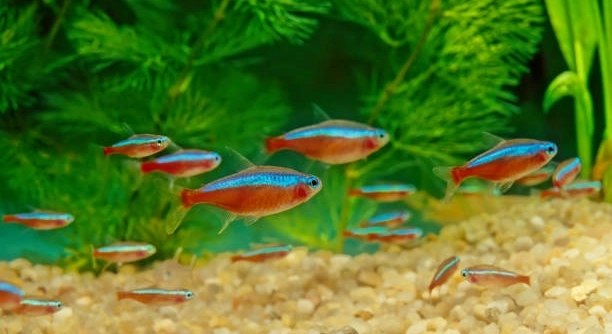
When tetras are comfortable, their natural colors become more vivid. Neon tetras, for example, will display vibrant blues and reds. If their colors appear dull or inconsistent, it may mean they’re anxious or exposed to unsuitable conditions. Common causes include temperature shifts, ammonia buildup, or bullying by tank mates. Routine water testing and a proper diet can help maintain their coloring. Stress-free lighting and a calm tank environment also support stable coloration. Avoid sudden changes in lighting or layout, as this can confuse or alarm your fish. Keeping your tetra’s surroundings stable helps them feel safe, allowing their true colors to shine.
Color changes can also happen during sleep or rest. This is normal, but colors should return once they’re active again.
They Stay Peaceful with Other Fish
Tetras are social fish that do best in schools. When happy, they swim together calmly and show little to no aggression. Aggressive chasing or isolation usually means something is wrong in the tank.
Keeping at least six tetras together allows them to feel safe and secure. When kept alone or in too small a group, tetras may become anxious or display signs of stress. A peaceful group shows balanced tank conditions and supports positive behavior. If one fish becomes aggressive or starts chasing others, consider checking for crowding, water issues, or mismatched species. Tetras thrive in calm, clean water with gentle filtration and plenty of room. A well-planted tank with hiding spaces gives them a sense of comfort, which helps them maintain peaceful behavior. Monitoring how your tetras interact is a simple but helpful way to check if they’re content in their environment.
They Respond to Movement Outside the Tank
A happy tetra will often react to motion near the tank, such as when you walk by or approach them during feeding. This shows awareness and comfort in their surroundings.
If your tetra hides or freezes when you move near the tank, it may be feeling insecure.
They Rest Calmly Without Hiding Constantly
Tetras need rest just like any other fish. When happy, they rest quietly in open spaces or among plants, without staying hidden all the time. Constant hiding often signals stress, illness, or poor tank conditions. A relaxed, visible tetra usually means they feel safe and secure in their environment.
Their Breathing Looks Calm and Steady
Tetras breathe gently when content. Rapid gill movement or gasping near the surface could signal poor water quality or stress.
How often should I check my tetra’s behavior?
Regular observation is important for understanding your tetra’s well-being. Checking their behavior daily helps you notice small changes early. This includes watching their swimming patterns, appetite, and interaction with other fish. Even a brief daily look can reveal signs of stress or illness before they become serious. Consistent monitoring allows you to adjust tank conditions or feeding habits as needed to keep your tetra happy and healthy.
What does it mean if my tetra is hiding more than usual?
Hiding often indicates that your tetra may be stressed, scared, or unwell. Changes in water quality, temperature, or tank mates can cause this behavior. It can also mean your tetra is feeling threatened or overcrowded. Sometimes, illness causes lethargy and hiding as well. Check water parameters carefully and ensure the tank is spacious and peaceful. Providing more hiding spots can help, but persistent hiding needs investigation to avoid health problems.
Can tetras live alone, or do they need a group?
Tetras are schooling fish that thrive in groups of at least six. They rely on social interaction for security and well-being. When alone, they can become stressed, inactive, or even sick due to loneliness. Keeping them in groups reduces aggression and encourages natural swimming behavior. If you want a happy tetra, make sure to keep a proper school size and monitor how they interact regularly.
What should I do if my tetra stops eating?
A sudden loss of appetite can be a sign of illness, poor water quality, or stress. First, check the tank’s temperature, pH, and ammonia levels. Offer a variety of foods like flakes, pellets, or live food to encourage eating. Avoid overfeeding, which can cause water problems. If your tetra refuses food for more than a day or shows other symptoms like lethargy or discoloration, it may need treatment or a vet’s care.
How important is water quality for my tetra’s happiness?
Water quality is one of the most crucial factors for a tetra’s health and mood. Poor water conditions lead to stress, disease, and color fading. Regular testing and changes of tank water keep ammonia, nitrites, and nitrates at safe levels. Maintaining proper temperature and pH also supports their comfort. Clean water helps tetras swim actively, eat well, and behave peacefully. Neglecting water quality often results in visible stress and unhealthy fish.
Are there signs of stress I should watch for in tetras?
Yes, common stress signs include hiding, erratic swimming, faded colors, rapid breathing, and loss of appetite. Stress can also cause aggression or isolation from the group. It is usually linked to poor water quality, unsuitable tank mates, or sudden environmental changes. Watching for these behaviors regularly helps catch problems early. Addressing the cause quickly improves your tetra’s health and happiness.
How can I create a comfortable environment for my tetra?
Provide a well-maintained tank with clean water, stable temperature, and enough space. Include plants, decorations, and hiding places to mimic their natural habitat. Keep tetras in groups of six or more and choose peaceful tank mates. Use gentle filtration to avoid strong currents that stress fish. Feeding a balanced diet and maintaining a regular feeding schedule also supports their well-being. A calm, clean tank encourages natural behavior and helps your tetra thrive.
Is it normal for tetras to rest during the day?
Yes, tetras do rest throughout the day, often staying still or hovering near plants or decorations. This resting behavior is a sign they feel secure. However, if they remain inactive for long periods or hide excessively, it may indicate stress or illness. Normal resting occurs in short intervals and doesn’t interfere with active swimming or feeding.
Can changes in lighting affect my tetra’s happiness?
Lighting impacts tetra behavior and coloration. Too bright or sudden changes can stress them, causing hiding or color fading. Using a consistent light schedule with moderate brightness helps maintain their natural rhythms. Simulating day and night cycles with timers supports healthy behavior. Proper lighting also encourages plants to grow, improving tank conditions. Avoid placing the tank where it receives direct sunlight, as this can raise temperature and cause algae growth.
What is the best diet for keeping my tetra happy?
A varied diet including high-quality flakes, pellets, and occasional live or frozen foods like brine shrimp or bloodworms ensures balanced nutrition. Feeding small amounts two to three times a day prevents overfeeding and keeps water quality stable. Nutrient-rich foods support vibrant color and energy levels. Avoid feeding solely flakes, as this can lead to nutritional gaps. Observing your tetra’s feeding response helps you adjust the diet for optimal health.
Final Thoughts
Keeping your tetra happy takes attention to its behavior and environment. Small signs like active swimming, bright colors, and steady eating show your fish is doing well. Watching these details regularly helps you notice any changes quickly. When you respond to your tetra’s needs, you create a healthy and peaceful tank. This benefits not only your fish but also your enjoyment as an owner.
Maintaining clean water and a balanced diet is essential for your tetra’s happiness. Regular water testing and partial changes keep the tank safe and comfortable. Providing enough space and hiding spots lets your tetra feel secure. Tetras also need company, so keeping them in groups of six or more supports natural social behavior. Avoid overcrowding and aggressive fish to reduce stress. Small adjustments in tank care can lead to big improvements in your tetra’s mood and health.
Understanding your tetra’s signs of happiness takes practice, but it is rewarding. When your tetra is calm, colorful, and active, you know it feels good. Being patient and consistent with tank maintenance creates a stable environment. This stability encourages your tetra to thrive. Taking these steps ensures your fish will live a longer, healthier life while adding beauty and life to your aquarium.

Hello,
If you enjoy the content that we create, please consider saying a "Thank You!" by leaving a tip.
Every little bit helps us continue crafting quality advice that supports the health, happiness, and well-being of pets around the world, for pets of all shapes, sizes, and species.
We really appreciate the kindness and support that you show us!