
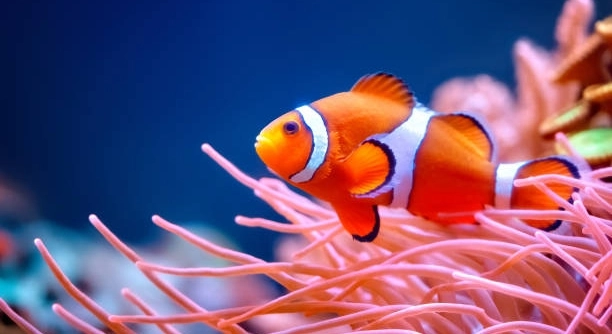
Clownfish are popular in home aquariums and nature alike. Many people enjoy watching them, but telling individual clownfish apart can be challenging. This article explains simple ways to recognize the differences among these colorful fish.
Clownfish can be distinguished by their size, stripe patterns, color variations, behavior, and habitat preferences. Observing these characteristics closely helps to identify each fish accurately and understand their unique traits in both wild and captive environments.
Recognizing these differences can enhance your experience with clownfish whether you are a hobbyist or studying them in the wild. The following methods offer practical tips to make identification easier and more reliable.
Size Differences Among Clownfish
Clownfish come in various sizes depending on their species and age. Some species, like the Clark’s clownfish, are smaller and reach about 3 to 4 inches in length, while others, such as the maroon clownfish, can grow up to 6 inches or more. Size can also change within a group due to dominance hierarchy; the largest fish is usually the female, while smaller ones tend to be males or juveniles. Observing size differences carefully helps separate individuals, especially when they live in the same anemone or aquarium. Measuring their length relative to nearby objects can be a useful method. Size can also indicate maturity, which affects behavior and color intensity.
Size is a straightforward and visible way to differentiate clownfish when combined with other features like patterns and behavior.
By noting size variations alongside other characteristics, identifying each clownfish becomes more accurate and less confusing.
Stripe Patterns and Color Variations
Stripe patterns are one of the most noticeable traits for identifying clownfish. Most clownfish have white stripes on their bodies, but the number and shape of these stripes can differ. For example, the common clownfish usually has three white stripes, while some species might have only one or two. The width and placement of these stripes also vary. Color intensity ranges from bright orange to deep red, and some may have a yellow or even blackish hue. These variations are influenced by genetics, health, and environment. Paying close attention to these patterns and colors helps to tell clownfish apart more easily than relying on size alone.
Stripes and color changes provide key clues for distinguishing between clownfish species and individuals within a group.
Color variations may change slightly over time, so consistent observation helps maintain accurate identification.
Behavior and Movement Patterns
Clownfish display unique behavior that helps distinguish them. Some are more aggressive, while others are shy. Movement speed and how they interact with their surroundings also vary.
Dominant clownfish tend to patrol their anemone actively, defending their space from intruders. Subordinate fish often stay close to the protective tentacles. Watching how they swim and respond to stimuli reveals differences in personality and social rank. These behaviors can be consistent over time, making them useful for identification. For example, an aggressive clownfish will often chase others away, while a less confident one may retreat quickly. Tracking these patterns provides insight beyond physical appearance.
Behavioral differences help confirm visual traits like size and stripe patterns, giving a fuller picture of each fish’s identity. Paying attention to how clownfish move and act allows more accurate recognition, especially in groups with similar looks.
Habitat and Anemone Preference
Clownfish species often prefer specific types of anemones or environments. This preference can be a helpful clue for telling them apart. Some species live exclusively with one anemone type, while others tolerate several.
Different anemone species offer various protection levels and conditions. For example, the orange clownfish usually associates with the Stichodactyla anemone, while maroon clownfish prefer Heteractis crispa. These preferences affect where you find each clownfish in the wild or aquarium. Knowing the habitat details narrows down the possible species. It also helps predict behaviors and interactions since certain anemones provide more or less shelter. Observing which anemone a clownfish favors can be a quick way to identify it without relying solely on physical traits.
Facial Markings and Fin Shapes
Facial markings vary among clownfish species and individuals. Some have distinctive spots or lines around their eyes and mouth. These subtle differences are useful for identification.
Fin shapes also differ, with some clownfish having rounded fins and others more pointed. Observing these traits adds another layer to distinguishing each fish.
Growth and Development Changes
Clownfish appearance changes as they grow. Juveniles often have brighter colors and clearer stripes, which may fade or shift with age. Understanding these changes helps avoid confusion when identifying fish at different life stages. Some species show more dramatic transformations than others, so tracking growth patterns is important for accurate recognition over time.
Unique Sounds and Communication
Clownfish produce distinct sounds during interactions. These noises vary by species and situation, helping to identify individual fish or groups within their habitat.
Territorial Markings
Some clownfish show specific markings related to their territory. These marks can be subtle but help differentiate them from neighbors.
FAQ
How can I tell the difference between male and female clownfish?
Male and female clownfish differ mainly in size and behavior. Females are usually larger and more dominant. They control the territory and can be more aggressive toward intruders. Males tend to be smaller and take care of the eggs. Observing which fish is bigger and more assertive can help you identify their sex. This difference becomes clearer when they form pairs or groups, as the social structure influences their roles.
Do clownfish change color over time?
Yes, clownfish colors can change as they grow or due to environmental factors. Juvenile clownfish often have brighter colors and sharper stripes, which may soften or darken with age. Stress, diet, and water quality also affect their coloration. Some species have natural color variations, so slight changes do not always mean health problems. Watching how their colors develop can assist in telling individuals apart.
Are stripe patterns unique to each clownfish?
Stripe patterns can be quite consistent within a species but vary enough to help identify individual fish. The number, width, and shape of the stripes are key factors. Minor differences, like slight breaks or irregular edges in the stripes, can distinguish one fish from another. Combining this trait with size and behavior provides a more reliable identification method.
Can clownfish behavior help in identification?
Absolutely. Behavior is an important clue. Dominant fish often patrol their territory and interact actively, while subordinate fish stay hidden or move cautiously. Aggression levels and movement styles vary between individuals. Observing these behaviors over time allows you to recognize each clownfish by personality as well as appearance.
What role does the anemone play in identifying clownfish?
The type of anemone a clownfish lives with often indicates its species. Different clownfish species prefer specific anemone species, making habitat preference a useful identification tool. In an aquarium or the wild, knowing which anemone hosts a clownfish narrows down the possible species and helps differentiate between similar-looking fish.
Is size a reliable way to tell clownfish apart?
Size alone is not enough but useful when combined with other traits. Dominant females are the largest, followed by males and juveniles. Comparing size differences within a group can help, especially if you observe them regularly. Keep in mind that growth rates vary by species and environment, so size should be one of several factors considered.
Do clownfish make sounds, and can these sounds help identify them?
Clownfish do produce sounds during social interactions, such as clicks or pops. These sounds can differ by species and situation, like courtship or defense. While sound is not commonly used by casual observers for identification, researchers sometimes use it to study behavior and species differences. Recognizing unique sounds can add another dimension to telling clownfish apart.
How often do clownfish change their stripe patterns?
Stripe patterns are generally stable once the fish reach maturity. Juveniles may have less defined stripes that sharpen with growth. While minor changes can happen due to injury or stress, the basic pattern remains consistent. This stability makes stripes a reliable characteristic for long-term identification.
Can environmental changes affect how clownfish look?
Yes, factors like water temperature, quality, and lighting can influence clownfish coloration and behavior. Poor conditions may dull colors or reduce activity, while ideal environments help maintain vibrant colors and normal behavior. Being aware of these influences helps distinguish between natural variations and potential health concerns.
What is the best method to tell clownfish apart in an aquarium?
Combining size, stripe patterns, color variations, and behavior works best. Regular observation allows you to note individual traits and habits. Using familiar reference points, like the anemone or decorations, helps compare fish accurately. Keeping a simple record or photos can assist in tracking changes over time for more precise identification.
Clownfish are fascinating creatures that attract many people’s attention. They are not only colorful but also have unique traits that help tell them apart. Understanding these differences can make observing them more enjoyable and meaningful. From size and stripe patterns to behavior and habitat preference, each clownfish has characteristics that make it special. Paying close attention to these details allows for better recognition, whether you are watching them in the wild or caring for them in an aquarium. Taking time to learn about these fish helps build a deeper appreciation for their variety and role in their environment.
Identifying clownfish accurately is useful for many reasons. For hobbyists, it ensures proper care tailored to the species’ needs. Different clownfish may have varying temperaments and habitat requirements. Knowing which fish you have helps create a healthy and balanced aquarium. For those studying clownfish, recognizing individual fish or species supports research and conservation efforts. The methods discussed, such as observing stripe patterns, behavior, and anemone preferences, are practical and easy to apply. They give a clear way to separate fish that might look very similar at first glance. This clarity can improve both enjoyment and responsibility when interacting with clownfish.
In summary, telling clownfish apart is a task that benefits from patience and attention to detail. Using multiple clues together produces the best results, as no single trait is perfect on its own. The process is rewarding, helping to better understand the diversity among clownfish. It encourages a respectful approach to these vibrant animals and highlights their importance in marine ecosystems. Taking time to observe and learn makes the experience of keeping or watching clownfish more fulfilling and informed.

Hello,
If you enjoy the content that we create, please consider saying a "Thank You!" by leaving a tip.
Every little bit helps us continue crafting quality advice that supports the health, happiness, and well-being of pets around the world, for pets of all shapes, sizes, and species.
We really appreciate the kindness and support that you show us!