
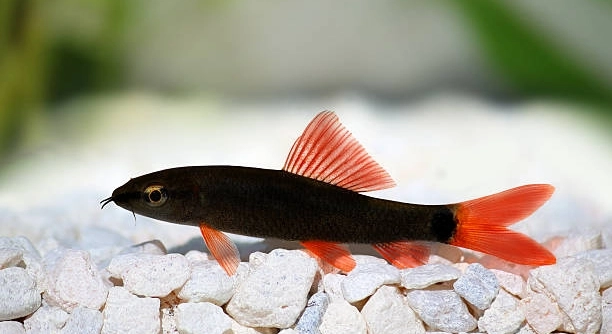
Are your rainbow sharks frequently jumping out of their tanks? This common behavior can be frustrating for fish owners trying to keep their aquatic pets safe and secure. Understanding the reasons behind this action is the first step to preventing it.
Rainbow sharks tend to jump due to stress, poor water quality, or inadequate tank conditions. Providing proper tank covers, maintaining stable water parameters, and ensuring enough space and hiding spots reduces their urge to leap. Consistent care is essential.
Knowing these simple steps can make a big difference in keeping your rainbow shark safe. The following tips will help you create a better environment for your fish and minimize jumping incidents.
Provide a Secure Tank Cover
A secure tank cover is the easiest way to stop your rainbow shark from jumping. Rainbow sharks are active swimmers and can easily leap out if the tank is open or loosely covered. Using a fitted lid prevents escape and keeps your fish safe. Covers also reduce evaporation and keep dust or other debris out of the water. When selecting a cover, choose one that fits tightly and has ventilation to allow air exchange. Some lids come with built-in feeding ports, which makes daily care easier without opening the entire tank. If you use lighting or filters that require openings, make sure these gaps are as small as possible. Plastic or glass covers work well, but make sure they are sturdy enough to resist any impact from your fish. Keeping the environment secure is the first and most effective step to reduce jumping behavior.
Covers protect both your fish and your tank environment, making care simpler and safer.
In addition to a secure cover, monitoring your tank regularly ensures the cover stays in place and intact. If your rainbow shark is still trying to jump despite the cover, check for any weak spots or openings. Sometimes, water splashing or vibrations from equipment can cause the cover to shift, creating escape routes. Tight seals also prevent other pets or children from accidentally disturbing the tank. Ensuring the lid fits properly supports your fish’s safety and reduces stress caused by exposure to outside threats or light changes. Remember, a secure cover is not only a physical barrier but also part of maintaining a stable, comfortable habitat for your rainbow shark.
Maintain Stable Water Conditions
Stable water quality reduces stress, which lowers the chance of your rainbow shark jumping.
Maintaining clean water with proper pH, temperature, and low ammonia levels is crucial for your fish’s health. Frequent water changes and testing prevent conditions that can cause discomfort or agitation. Rainbow sharks prefer slightly acidic to neutral pH, around 6.5 to 7.5, and temperatures between 72°F and 79°F. Using a good filtration system helps remove waste and toxins, keeping the water safe. Stress from poor water quality often makes fish restless and more likely to try escaping. Consistency is key; sudden changes can trigger jumping behavior as fish try to avoid unfavorable conditions. Regular tank maintenance benefits both your fish and the overall aquarium environment, creating a stable home your rainbow shark can thrive in.
Provide Enough Hiding Spots
Rainbow sharks need hiding places to feel safe and reduce stress, which lowers their jumping tendencies.
Adding caves, plants, and decorations offers shelter and mimics their natural environment. Hiding spots help reduce aggression and give your fish a place to rest. Without enough cover, your rainbow shark may feel exposed and try to escape the tank. Use smooth decorations to avoid injury. Plants, whether live or artificial, provide both shelter and visual barriers, creating a more comfortable space. Arrange the tank so hiding spots are easily accessible but not overcrowded. This balance keeps your fish secure while allowing room for swimming and exploration.
Hiding spots also prevent conflicts with other fish, reducing stress-induced jumping. Your rainbow shark will benefit from a well-structured habitat that feels safe.
Avoid Overcrowding
Too many fish in one tank increases stress and can cause jumping behavior.
Crowded tanks lead to poor water quality, competition for food, and territorial fights. Rainbow sharks are territorial and may jump to avoid aggressive tank mates. Keeping the right number of fish reduces stress and improves overall health. A minimum tank size of 30 gallons is recommended for a single rainbow shark, with more space needed if you keep additional fish. Monitor interactions regularly to ensure peaceful coexistence. Providing enough space allows your rainbow shark to establish its territory without feeling threatened or overwhelmed. Proper stocking levels create a calmer environment that discourages jumping and other stress responses.
Keep the Tank Clean
A clean tank is essential to prevent stress-related jumping.
Regular water changes and removing debris keep the environment healthy for your rainbow shark.
Feed a Balanced Diet
Feeding your rainbow shark a balanced diet helps maintain its health and reduces restlessness. Provide a mix of high-quality pellets, live, and frozen foods to meet their nutritional needs. Overfeeding or irregular feeding can cause stress, which may increase jumping behavior. Consistent feeding schedules and variety support their well-being and calm behavior.
Monitor Water Temperature
Maintaining a stable water temperature between 72°F and 79°F is crucial for your rainbow shark’s comfort. Sudden changes in temperature can cause stress, making your fish more likely to jump. Use a reliable aquarium heater and thermometer to keep conditions steady. Consistent temperature supports your fish’s health and reduces erratic behavior.
Reduce Noise and Vibrations
Loud noises and vibrations near the tank can startle your rainbow shark, causing it to jump. Place the tank in a quiet area away from heavy foot traffic, speakers, or appliances. Minimizing disturbances creates a calm environment for your fish.
Why does my rainbow shark keep jumping out of the tank?
Rainbow sharks often jump due to stress caused by poor water quality, sudden changes in the environment, or overcrowding. They may also leap if they feel threatened or lack proper hiding places. Jumping is a natural escape response to discomfort or fear. Ensuring stable tank conditions and enough space can reduce this behavior.
How can I tell if my rainbow shark is stressed?
Signs of stress include frequent jumping, loss of appetite, hiding excessively, or unusual swimming patterns. Stress can also cause faded colors or damaged fins. Monitoring your fish’s behavior and appearance helps identify problems early so you can take action to improve its environment.
Is it normal for rainbow sharks to jump occasionally?
A small amount of jumping can be normal as they are active fish. However, frequent or forceful jumps indicate an underlying issue such as poor tank conditions or stress. Addressing these problems will help minimize jumping and keep your fish safe.
What type of tank cover is best for preventing jumping?
A tight-fitting glass or acrylic lid is best because it securely covers the tank while allowing light to enter. Make sure the lid has ventilation to allow air circulation and access for feeding. Avoid covers with large gaps that rainbow sharks could escape through.
Can tank mates cause my rainbow shark to jump?
Yes, aggressive or territorial fish can stress rainbow sharks, making them more likely to jump. Choose compatible tank mates that are peaceful and non-aggressive. Providing enough space and hiding spots also helps reduce conflict and jumping.
How often should I change the water to keep my rainbow shark comfortable?
Regular partial water changes of 20-30% once a week help maintain clean water and stable conditions. Frequent changes prevent waste buildup and keep ammonia and nitrate levels low, which is essential for your fish’s health and reduces stress-induced jumping.
What is the ideal tank size for a rainbow shark?
A minimum of 30 gallons is recommended for a single rainbow shark. Larger tanks are needed if you keep multiple fish. More space allows the fish to swim freely and reduces stress from overcrowding, which helps prevent jumping.
Can temperature fluctuations cause jumping?
Yes, sudden changes in temperature stress rainbow sharks and can cause them to jump. Maintaining a consistent temperature between 72°F and 79°F with a reliable heater and thermometer helps keep your fish calm and healthy.
How important is diet in preventing jumping behavior?
A balanced diet is very important. Poor nutrition can cause weakness or agitation, making jumping more likely. Feed a mix of high-quality pellets, live, and frozen foods regularly. Avoid overfeeding, which can also stress your fish.
What should I do if my rainbow shark keeps injuring itself from jumping?
If your fish injures itself, immediately check the tank cover for gaps and secure it properly. Improve water quality and reduce stress factors like overcrowding or aggressive tank mates. Consult a vet or experienced aquarist for advice on treating injuries and improving care.
Are there any natural behaviors that mimic jumping in rainbow sharks?
Occasionally, rainbow sharks may swim rapidly near the surface or bounce off the glass, which can look like jumping but is normal behavior. However, consistent attempts to leap out of the tank should be addressed to prevent harm.
Can lighting affect jumping behavior?
Bright or sudden changes in lighting can startle rainbow sharks, causing jumping. Use dimmable or gradual lighting changes to reduce stress. Providing shaded areas or plants helps the fish feel secure and less likely to jump.
Is it necessary to quarantine new fish to prevent jumping?
Quarantining new fish helps prevent disease and stress, which can trigger jumping. Introducing healthy, calm fish slowly and monitoring their behavior supports a stable tank environment and reduces stress for your rainbow shark.
How do I handle a rainbow shark that jumps frequently despite all precautions?
If jumping persists, reevaluate tank size, water quality, and tank mates. Sometimes underlying illness or genetic factors play a role. Consulting a professional or experienced hobbyist can provide specific advice or treatment options tailored to your situation.
Rainbow sharks are beautiful and active fish that can bring life to any aquarium. However, their tendency to jump out of the tank can be concerning and harmful. Understanding why they jump and how to prevent this behavior is important for their safety and well-being. By focusing on simple steps like securing the tank lid, maintaining good water quality, and providing enough space and hiding spots, you can create an environment that helps your rainbow shark feel calm and secure. These measures not only reduce jumping but also support the overall health of your fish.
Preventing your rainbow shark from jumping requires consistent care and attention. Tank conditions should be stable, with the right temperature, pH balance, and clean water. Avoid overcrowding the tank, as this can increase stress and aggression. Choosing compatible tank mates and offering a balanced diet also contribute to your fish’s comfort. Remember, stress is one of the main reasons rainbow sharks jump, so reducing factors that cause stress is key. It is important to observe your fish regularly and act quickly if you notice signs of discomfort or unusual behavior.
Finally, patience and persistence are necessary when managing your rainbow shark’s jumping behavior. Sometimes changes may take time to show results. Every fish is different, and some may be more prone to jumping than others. Keeping a secure lid, ensuring stable water conditions, and providing a well-organized tank will give your rainbow shark the best chance to thrive. This approach will help create a safe and comfortable home, allowing you to enjoy watching your fish swim without worry.

Hello,
If you enjoy the content that we create, please consider saying a "Thank You!" by leaving a tip.
Every little bit helps us continue crafting quality advice that supports the health, happiness, and well-being of pets around the world, for pets of all shapes, sizes, and species.
We really appreciate the kindness and support that you show us!