
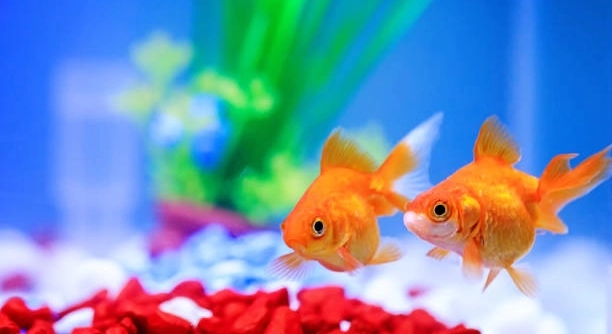
Are your goldfish constantly uprooting your carefully planted aquarium greenery? This behavior can be frustrating, leaving your tank in disarray and your plants floating aimlessly. Fortunately, there are simple ways to prevent goldfish from disturbing your aquatic plants.
To stop goldfish from digging up plants, use larger, heavier substrates like gravel or rocks, opt for sturdy plants like Java fern, and secure roots with mesh or pots. Providing alternative enrichment, such as floating plants and decorations, can also reduce digging behavior.
Preventing goldfish from disrupting plants helps maintain a balanced and visually appealing aquarium. These practical solutions will ensure a healthier environment for both your fish and aquatic plants while keeping your tank looking neat and well-maintained.
Choose the Right Substrate
Goldfish are naturally inclined to dig, and the type of substrate in your tank can encourage or discourage this behavior. Fine sand or loose gravel makes it easy for goldfish to uproot plants, while larger gravel or smooth river rocks create a more stable foundation. A thicker substrate layer also helps anchor plant roots securely. If goldfish continue to disturb plants, consider using planted tank soil capped with heavier gravel. This combination provides nutrients while preventing excessive digging. Selecting the right substrate not only supports plant growth but also reduces the chances of your goldfish disrupting the tank.
A well-chosen substrate keeps plants firmly in place and makes it harder for goldfish to disturb them. The right foundation also enhances the tank’s overall appearance while benefiting plant health. Taking the time to pick the best option ensures a more stable and visually appealing aquarium.
Some substrates contain essential nutrients that support plant growth, while others primarily serve as an anchor. If using nutrient-rich soil, adding a top layer of gravel prevents goldfish from digging too deeply. Smooth, rounded stones can also be strategically placed around plant bases to keep them secure. With the right setup, plants remain rooted, and your tank stays organized.
Select Hardy Plant Varieties
Certain plants are more resilient against goldfish digging. Choosing sturdy options minimizes damage while maintaining a vibrant tank. Plants like Java fern, Anubias, and Amazon swords have strong root structures or can be attached to rocks and driftwood.
Goldfish often nibble on delicate plants, which can weaken them over time. Hardy plants withstand mild nibbling and regrow quickly. Attaching plants to decorations or using plant weights prevents goldfish from pulling them up. Choosing resilient options keeps your aquarium looking lush with minimal maintenance.
Floating plants such as hornwort and water lettuce offer a great alternative, keeping goldfish engaged without disturbing rooted plants. Adding fast-growing species like Vallisneria can also help since these plants spread quickly, filling gaps in the tank. With careful selection, goldfish and plants can coexist harmoniously.
Secure Plants with Mesh or Pots
Using mesh or small pots keeps plants anchored and prevents goldfish from uprooting them. Mesh can be placed over the substrate, allowing plant roots to grow through while blocking access to goldfish. Pots provide a secure base, reducing disturbances and protecting delicate root systems.
Mesh sheets can be cut to fit specific areas of the tank, covering plant bases while allowing water circulation. Lightweight plastic mesh works best, as it keeps plants stable without harming goldfish. Placing smooth stones around plant bases also reinforces stability. A combination of mesh and weighted decorations ensures plants stay firmly in place.
Planting in small pots filled with gravel or aquatic soil provides another effective solution. Pots prevent goldfish from reaching delicate roots while making it easier to rearrange plants if needed. Secure plants within the substrate using plant anchors or weights to maintain a well-organized and stable aquarium.
Provide Alternative Enrichment
Goldfish dig not only out of curiosity but also due to boredom. Keeping them mentally stimulated reduces their interest in uprooting plants. Adding floating plants, caves, or decorative ornaments gives goldfish new areas to explore and interact with, diverting their attention from the substrate.
Goldfish are naturally active and enjoy foraging. Offering leafy greens like lettuce or spinach provides enrichment while satisfying their nibbling instincts. Rearranging tank decorations occasionally introduces novelty, keeping them engaged. Providing a variety of textures, from driftwood to smooth rocks, encourages natural behaviors without harming plants.
Adding tank mates such as snails or shrimp can create a more dynamic environment, offering additional points of interest. Goldfish-safe toys like rings or hoops also keep them entertained. When goldfish have enough stimulation, they are less likely to disturb plants, allowing your aquarium to remain well-balanced and visually appealing.
Use Plant Weights or Anchors
Plant weights help secure delicate stems, preventing goldfish from pulling them up. These small, non-toxic metal or ceramic strips wrap around plant bases, keeping them anchored in the substrate. Weights ensure plants stay rooted while allowing them to grow naturally without frequent disturbances.
Anchors, such as small terracotta rings or plastic clips, provide another effective way to stabilize plants. These accessories grip stems gently without damaging them, ensuring they remain in place. Using multiple anchors for taller plants prevents goldfish from knocking them over, creating a more stable and visually appealing tank.
Choose Floating Plants
Floating plants eliminate the risk of uprooting since they do not require a substrate. Options like duckweed, water lettuce, and frogbit provide shade, reduce algae growth, and offer goldfish a natural foraging source. These plants create a balanced environment while keeping goldfish engaged and less focused on rooted vegetation.
Arrange Decorations Strategically
Placing rocks, driftwood, or ornaments around plant bases acts as a barrier against digging. Goldfish will be less likely to reach the roots, reducing disturbances. Arranging decorations thoughtfully creates a natural look while protecting plants and giving goldfish additional areas to explore.
FAQ
Why do goldfish dig up plants?
Goldfish dig up plants as part of their natural behavior. They forage for food, search for hiding spots, and explore their environment by sifting through the substrate. Some goldfish also dig out of boredom, especially in tanks with limited enrichment or stimulation. If they are frequently uprooting plants, they may be looking for food scraps hidden in the substrate or simply entertaining themselves. Providing alternative activities, such as floating plants, decorations, or goldfish-safe toys, can help minimize this behavior while keeping them engaged.
Which plants are best for goldfish tanks?
Hardy, thick-leaved plants are best for goldfish tanks because they withstand nibbling and minor disturbances. Java fern, Anubias, and Amazon swords are excellent choices, as they have strong root systems or can be attached to rocks and driftwood. Floating plants like hornwort and water lettuce provide shade and enrichment without needing a substrate. Fast-growing species such as Vallisneria can also thrive in a goldfish tank, as they replenish quickly even if some leaves are nibbled. Avoid delicate plants like Cabomba and soft-stemmed species, as goldfish may shred them easily.
How do I stop goldfish from eating my plants?
Providing alternative food sources can help prevent goldfish from eating plants. Goldfish enjoy leafy greens like lettuce, spinach, and cucumber, which can satisfy their nibbling instincts. Feeding a well-balanced diet with sinking pellets, gel food, or vegetable-based treats ensures they receive proper nutrition. Floating plants and fast-growing species like duckweed can serve as a natural snack, allowing them to graze without harming rooted plants. If necessary, placing mesh barriers around delicate plants can provide extra protection while allowing them to establish strong roots.
Will goldfish-friendly plants survive without CO₂ injection?
Yes, many goldfish-friendly plants can thrive without CO₂ injection. Hardy species like Anubias, Java fern, and Amazon swords do not require additional CO₂ to grow. Floating plants, such as water lettuce and hornwort, naturally absorb nutrients from the water and can flourish in low-tech setups. Goldfish produce waste that acts as a natural fertilizer, supplying essential nutrients to plants. Ensuring proper lighting and occasional fertilization with liquid plant food can further support healthy growth without needing CO₂ injection systems.
Can goldfish live in a planted tank without destroying it?
Goldfish can live in a planted tank without destroying it if the setup is designed to accommodate their behavior. Choosing sturdy plants, using plant weights or mesh, and securing roots with rocks or decorations helps minimize disturbances. Providing enrichment, such as floating plants and hiding spots, reduces boredom-related digging. A well-maintained goldfish tank with strong plants and thoughtful placement of decorations can create a balanced and visually appealing environment where both plants and fish thrive.
Do goldfish need plants in their tank?
Goldfish do not require plants to survive, but live plants provide significant benefits. They improve water quality by absorbing nitrates, provide natural shelter, and create a visually appealing environment. Plants also contribute to oxygenation and help prevent algae overgrowth. While artificial plants can offer hiding spots, live plants create a more natural ecosystem that enhances the health and well-being of goldfish.
How can I stop goldfish from digging near plant roots?
Using larger substrate materials like gravel or river rocks makes it more difficult for goldfish to dig near plant roots. Placing barriers such as mesh or small stones around plant bases adds an extra layer of protection. Anchoring plants with weights or planting them in pots helps prevent uprooting. Providing enrichment, such as goldfish-safe decorations and floating plants, keeps them engaged in other activities. Ensuring they have a balanced diet with fresh vegetables can also reduce digging caused by foraging behavior.
What are the easiest plants to grow in a goldfish tank?
Some of the easiest plants to grow in a goldfish tank include Anubias, Java fern, Amazon swords, and Vallisneria. These species are hardy, adaptable, and able to withstand occasional nibbling. Floating plants like hornwort and water lettuce require little maintenance and grow quickly. Moss varieties, such as Java moss, can be attached to driftwood or rocks, providing shelter for tank inhabitants while remaining safe from goldfish disturbances. These plants thrive in a wide range of conditions, making them suitable for beginners and experienced aquarists alike.
Will goldfish uproot artificial plants too?
Goldfish may still try to move artificial plants, especially if they are loosely placed in the substrate. Using weighted bases or securing them with aquarium-safe glue can help keep artificial plants in place. Adding decorations or larger rocks around their bases prevents goldfish from rearranging them. While artificial plants do not provide the same benefits as live plants, they can still offer shelter and aesthetic appeal without the risk of being eaten or uprooted.
Can I have a planted goldfish tank without a filter?
A filter is highly recommended in a goldfish tank, even with live plants. Goldfish produce a significant amount of waste, which can lead to poor water quality without adequate filtration. While plants help absorb nitrates and improve oxygen levels, they cannot replace mechanical and biological filtration. A well-maintained filter keeps the tank clean and supports the nitrogen cycle, creating a healthier environment for both goldfish and plants. Regular water changes and substrate cleaning further ensure a stable and balanced ecosystem.
Final Thoughts
Creating a planted goldfish tank requires careful planning to balance aesthetics, functionality, and the natural behavior of goldfish. Choosing sturdy plants that can withstand nibbling, securing roots with barriers, and providing alternative food sources can help prevent destruction. Goldfish are naturally curious and enjoy foraging, so it is essential to create an environment that keeps them engaged while protecting plant life. Floating plants, weighted decorations, and enrichment items like driftwood or rocks can redirect their attention and minimize digging. A well-thought-out setup allows both plants and fish to coexist harmoniously, providing a healthier and more visually appealing aquarium.
Maintaining a planted goldfish tank requires regular care to ensure plant health and water quality. Goldfish produce a significant amount of waste, which can act as a natural fertilizer but may also lead to excessive algae growth. Performing routine water changes, trimming plants, and using appropriate lighting can help maintain a balanced ecosystem. Selecting low-maintenance plants that thrive in a goldfish tank without CO₂ injection or excessive fertilization simplifies upkeep. Proper substrate choices, such as large gravel or plant weights, can keep roots secure and reduce disruptions caused by digging. With consistent care, a planted goldfish tank can remain vibrant and sustainable over time.
Goldfish and plants can successfully coexist with the right strategies and tank setup. Thoughtful plant selection, preventive measures to reduce uprooting, and a well-maintained environment contribute to a thriving aquarium. Providing goldfish with enrichment, a varied diet, and an engaging habitat helps reduce destructive behaviors while ensuring their well-being. A well-planted tank not only benefits goldfish but also enhances the overall water quality, creating a natural and balanced ecosystem. By taking the necessary steps to protect plants and accommodate goldfish behavior, aquarists can enjoy a beautiful and functional aquarium that supports both plant growth and fish health.

Hello,
If you enjoy the content that we create, please consider saying a "Thank You!" by leaving a tip.
Every little bit helps us continue crafting quality advice that supports the health, happiness, and well-being of pets around the world, for pets of all shapes, sizes, and species.
We really appreciate the kindness and support that you show us!