
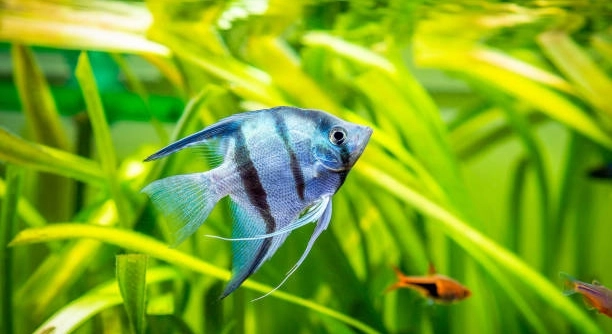
Maintaining healthy water quality is essential for your angelfish. One key factor to monitor is ammonia levels. Excessive ammonia can harm your fish and disrupt the tank environment, so it’s important to keep these levels under control.
Ammonia levels in an angelfish tank can be reduced by proper filtration, regular water changes, controlling feeding habits, and using chemical neutralizers. Avoid overstocking the tank and ensure proper tank maintenance to maintain a stable, healthy environment for the fish.
Taking action to reduce ammonia levels is crucial for the well-being of your angelfish. Understanding these methods will help you create a safer and healthier tank environment for them.
Proper Filtration is Key
A reliable filtration system is one of the most effective ways to control ammonia levels in your tank. Filtration helps remove excess waste, toxins, and debris, creating a cleaner environment for your angelfish. An efficient filter should be chosen based on the size of the tank and the specific needs of your fish. Be sure to clean the filter regularly and replace its components as needed to maintain optimal performance.
You may want to consider using both mechanical and biological filters to handle solid waste and process ammonia effectively.
Regular maintenance of the filtration system is vital to ensure it is working efficiently. You’ll also want to check that the filter’s flow rate is suitable for your tank size. Too strong or too weak of a flow can stress the fish and impact the filtration process.
Regular Water Changes
Water changes are crucial to maintaining water quality. They help remove accumulated waste and restore essential minerals. Performing regular water changes ensures that ammonia levels are reduced and prevents them from building up to harmful levels.
Changing 10–20% of the water weekly is a good starting point, but this may vary depending on your tank’s setup and the number of fish.
When you change the water, make sure to match the temperature and pH levels to prevent stressing the angelfish. Use a dechlorinator to treat tap water, and ensure that the new water is free of harmful chemicals. Regular changes not only reduce ammonia but also improve the overall health of your tank’s ecosystem.
Control Feeding Habits
Overfeeding your angelfish can contribute to elevated ammonia levels. Uneaten food decomposes in the water, leading to ammonia buildup. Feed your fish only what they can consume in a few minutes.
Adjust the portion size based on the number of fish and their activity levels. If you notice food left uneaten after feeding, reduce the amount next time. Excessive feeding not only raises ammonia but can also cause other water quality issues, making tank maintenance more challenging.
It’s also helpful to feed your angelfish small portions multiple times a day rather than one large meal. This approach helps prevent overfeeding and ensures the food is consumed quickly, reducing the chances of excess waste in the tank.
Use Chemical Neutralizers
Chemical neutralizers can help manage ammonia levels in the tank. These products are designed to bind ammonia and convert it into less toxic substances.
Although chemical neutralizers are not a substitute for proper filtration and water changes, they can be a temporary solution to help manage ammonia spikes. Be sure to choose a neutralizer specifically designed for freshwater tanks. Always follow the manufacturer’s instructions for use, as incorrect dosing can harm your fish.
Regular monitoring of ammonia levels is essential, even when using chemical neutralizers. These products can help stabilize ammonia, but they should be part of a larger maintenance routine. Keep testing the water frequently to ensure the neutralizer is effectively reducing ammonia levels without creating additional problems.
Avoid Overstocking the Tank
Overstocking leads to excessive waste production, which increases ammonia levels. Make sure your tank is appropriately stocked for its size.
When adding new fish, consider the adult size of each species. If your tank becomes overcrowded, water quality will decline quickly, causing ammonia spikes that are harmful to your angelfish.
Properly maintaining fish populations will help keep ammonia levels in check and provide a stable environment for all tank inhabitants.
Keep the Tank Clean
Maintaining a clean tank is crucial to controlling ammonia. Regularly remove debris, uneaten food, and waste from the substrate.
Cleaning the tank helps prevent waste buildup, which can lead to ammonia spikes. It also helps ensure your filtration system works more efficiently. Make sure to use a soft sponge or algae scraper to avoid scratching the glass.
Routine cleaning of decorations and plants is also necessary. Build up on these surfaces can contribute to ammonia levels, even if they are less obvious.
FAQ
What is ammonia, and why is it harmful to my angelfish?
Ammonia is a toxic waste product that results from fish waste, uneaten food, and decaying plant matter. In an aquarium, it can build up quickly, especially if the filtration system is inadequate or water changes are infrequent. High ammonia levels can damage your angelfish’s gills, impair their ability to breathe, and weaken their immune system, making them more susceptible to diseases.
How can I test ammonia levels in my tank?
You can test ammonia levels using an ammonia test kit, which is available at most pet stores or online. These kits typically come with color-changing reagents that allow you to measure ammonia concentration. Follow the instructions carefully to ensure accurate results. Testing your water regularly is key to preventing ammonia buildup.
How often should I test my tank’s ammonia levels?
It’s recommended to test ammonia levels at least once a week, or more frequently if you’re experiencing issues with water quality or if you’ve recently added new fish. During the initial setup of a tank or after a major water change, more frequent testing may be necessary. Regular monitoring helps catch ammonia spikes early before they harm your fish.
Can ammonia be removed from the tank completely?
Ammonia can’t be fully removed from the tank without proper filtration and water changes, but it can be controlled. Biological filtration, such as the use of beneficial bacteria, breaks down ammonia into less harmful substances. Regular water changes and the proper stocking level are also key factors in maintaining ammonia levels within a safe range for your fish.
How do I know if my angelfish are stressed by ammonia?
Signs of ammonia stress in angelfish include rapid gill movement, lethargy, erratic swimming, loss of appetite, and visible injuries like red or inflamed gills. If ammonia levels are high, your angelfish may spend more time near the surface of the water, struggling to get enough oxygen.
What should I do if ammonia levels are too high?
If ammonia levels are dangerously high, take immediate action by performing a 25-50% water change to dilute the ammonia. Check your filtration system to ensure it’s working properly, and clean any debris from the tank. You can also use an ammonia neutralizer, but it’s important to identify and address the root cause of the problem to prevent future spikes.
How does overfeeding contribute to ammonia levels?
Overfeeding leads to uneaten food sinking to the bottom of the tank, where it decomposes and releases ammonia. This extra food, combined with waste from the fish, contributes to the overall ammonia buildup. Avoid overfeeding by offering only as much food as the fish can consume in a few minutes.
Can plants help reduce ammonia in my tank?
Yes, live plants can help reduce ammonia levels by absorbing it as a nutrient. Plants such as java fern, anubias, and water wisteria are known to be efficient at taking in ammonia and other nitrogen compounds. Including plants in your tank can naturally support water quality and provide a healthier environment for your angelfish.
What role does the filter play in controlling ammonia?
The filter plays a crucial role in removing waste and excess nutrients from the water. Biological filtration, which supports beneficial bacteria, breaks down ammonia into less harmful substances like nitrites and nitrates. Mechanical and chemical filters help remove solid debris and other organic waste that could contribute to ammonia buildup.
Is it safe to add ammonia-neutralizing chemicals to my tank?
Ammonia-neutralizing chemicals can be a temporary solution to reduce ammonia levels, but they should not replace regular water changes and proper tank maintenance. Always follow the manufacturer’s instructions when using these products to avoid overuse, which can lead to further water quality issues. These chemicals should be seen as a quick fix, not a permanent solution.
Can too much filtration cause problems in the tank?
While filtration is essential for maintaining water quality, excessive filtration can be stressful to your angelfish if the water flow is too strong. Angelfish prefer calm waters, so make sure the filter’s flow rate is appropriate for your tank size. You can use a filter with adjustable flow or position it away from areas where the fish tend to swim.
How can I prevent ammonia spikes after a water change?
To prevent ammonia spikes after a water change, make sure to match the temperature and pH levels of the new water with the tank water. Adding water that’s too cold or too warm can stress the fish and cause further imbalances in the tank. Additionally, ensure the water change isn’t too large, as drastic shifts in water chemistry can also affect ammonia levels.
What is the nitrogen cycle, and how does it relate to ammonia?
The nitrogen cycle is a natural process that occurs in your aquarium, where beneficial bacteria break down toxic substances like ammonia into less harmful compounds. In the cycle, ammonia is first converted into nitrites by bacteria, and then into nitrates by another group of bacteria. Nitrates are much less harmful to fish and can be removed through regular water changes.
How long does it take for ammonia to build up in the tank?
Ammonia can build up quickly in an aquarium, especially in a newly set-up tank or a tank with poor filtration. Without a proper nitrogen cycle, ammonia levels can rise within hours to days. The buildup is faster in tanks that are overstocked or overfed, as there is more waste production. Regular water changes, filtration, and maintaining the right stocking levels help keep ammonia in check.
Can I use an ammonia test kit after adding neutralizing chemicals?
It’s best to wait a bit before testing ammonia levels after adding neutralizing chemicals, as these products can temporarily mask ammonia presence. Perform a water change and test the water again after a few hours or the next day. This ensures that your ammonia readings are accurate and reflect the true levels.
Final Thoughts
Ammonia control is a crucial aspect of maintaining a healthy tank for your angelfish. Keeping ammonia levels in check involves a combination of regular water changes, proper filtration, and mindful feeding habits. By understanding how ammonia builds up in your tank and taking steps to prevent it, you can create a safer environment for your fish. This will not only prevent health issues for your angelfish but also contribute to a more stable and balanced aquarium ecosystem.
To achieve the best results, it’s important to stay on top of regular tank maintenance. Test your water frequently to catch any ammonia spikes early, and address the issue immediately with water changes or ammonia neutralizers if necessary. Overfeeding, overstocking, and lack of proper filtration are common contributors to ammonia buildup, so make sure to manage these factors carefully. A well-maintained tank will allow your angelfish to thrive and minimize the risk of ammonia-related stress.
Ultimately, ammonia management isn’t a one-time fix but a continuous process. By maintaining the right balance of water quality, fish health, and tank cleanliness, you’ll keep ammonia at safe levels and ensure that your angelfish have a thriving, stable environment. The more proactive you are in monitoring and adjusting, the easier it will be to maintain a healthy tank for years to come.

Hello,
If you enjoy the content that we create, please consider saying a "Thank You!" by leaving a tip.
Every little bit helps us continue crafting quality advice that supports the health, happiness, and well-being of pets around the world, for pets of all shapes, sizes, and species.
We really appreciate the kindness and support that you show us!